Invest2 publishers2 min readPublished
Philippine appeals court freezes 25 crypto wallets in a flood-control plunder case
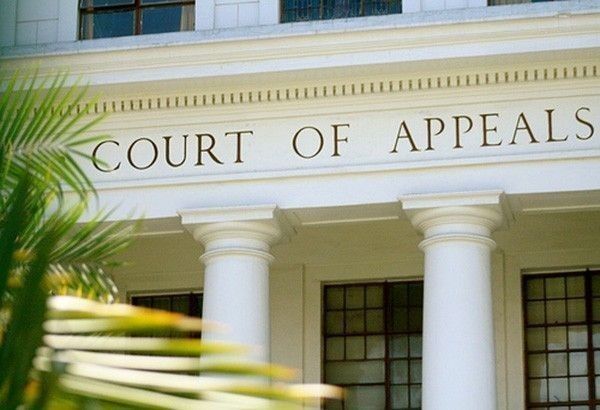
Philippines' Court of Appeals has frozen 116 assets tied to an unnamed lawmaker, 25 of them crypto wallets, in a flood-control plunder probe. For exchanges and custodians, what the order means depends on how much those wallets hold.
The Investor · Invest desk
Drafted by a language model from the sources cited here and checked against its claim ledger before publication. How we use AISend a correction
What happened
- The rest of the order covers 86 bank accounts, four investment accounts and one insurance policy, held by the lawmaker and various associated parties.
- The order is dated September 21, 2026, and the Anti-Money Laundering Council, which facilitated it, announced it on October 1.
- Investigators cite the Plunder Law, Republic Act No. 7080, and say they have probable cause tying the assets to a widespread flood-control kickback scheme.
- The flood-control scandal came to light in 2025 and has since drawn in multiple lawmakers, with this order following earlier rounds of freezes.
Compiled by The InvestorSomething wrong?How this is made
Why it matters
- exposure Exchanges and custodians holding any of the wallets are now enforcing a plunder-case freeze, with a duty to preserve those funds while the case runs.
- constraint Spreading money across associated parties gives a target less cover, since the order reaches their wallets and accounts as well as the lawmaker's own.
- precedent The other lawmakers drawn into the scandal face freeze orders that, as this one shows, can list crypto wallets beside bank accounts.
According to the council's findings, money was moved through numerous intermediaries, financial institutions and digital platforms to hide where it came from [5], and the council singled out the digital channels as key [9]. The freeze list still leans toward banks. Bank accounts are 86 of the 116 items, about 74% [2], while the wallets are about 21.6% [1]. Count is the only split available for this order. The one peso figure in the coverage belongs to earlier rounds, which together reached tens of billions of pesos [8].
Crypto Briefing says the order "puts virtual asset platforms in the same frame as the banks and intermediaries allegedly used in the scheme" [9]. How much that matters depends on who holds the wallets and how much is in them. If the wallets sit at exchanges and carry a real share of the money, those platforms are part of the case's enforcement. Small balances would suggest investigators froze every account tied to the parties, and crypto would be a side detail of the money trail. Self-custodied wallets have no platform to receive the order, so preserving them depends on investigators tracing and securing the coins first. Crypto Briefing calls the 25 wallets a test of how well authorities can trace and preserve funds held in digital form [10].
The strong reading is that Philippine regulators now treat wallets as a standard target in corruption cases. I think one order supports a narrower one: the wallets were frozen in the same order, under the same statute and on the same probable-cause finding as the bank accounts [4]. A standard needs repetition, and this is one instance. Even the narrow reading fails if the wallets hold trivial sums. In that case the order would show only that investigators listed every account they found, and little about where the kickbacks went.
The order is dated 10 days before the council announced it [3]. A platform holding one of the wallets may have been acting on it before the public heard of the freeze. Its clients' names remain protected by confidentiality rules while the case proceeds [7].
What to watch
- Whether the AMLC or the court names the lawmaker and associated parties, who are now shielded by confidentiality while the case proceeds.
- Whether the next freeze order against another lawmaker in the flood-control case lists wallets again; a second instance would support treating crypto as a standard target.
- Any filing that names the exchanges or custodians served with the order; regional platforms on that list would confirm the compliance exposure.