Build1 publisher3 min readPublished
ABO Energy describes Novva's 3.17 GW Argentine purchase as projects in development
Steven Liu's binding framework commits Novva to a 3.17 GW wind and solar pipeline in Argentina. The share purchase itself is still behind confirmatory due diligence that ABO Energy expects to run for months.
The Engineer · Build desk
What happened
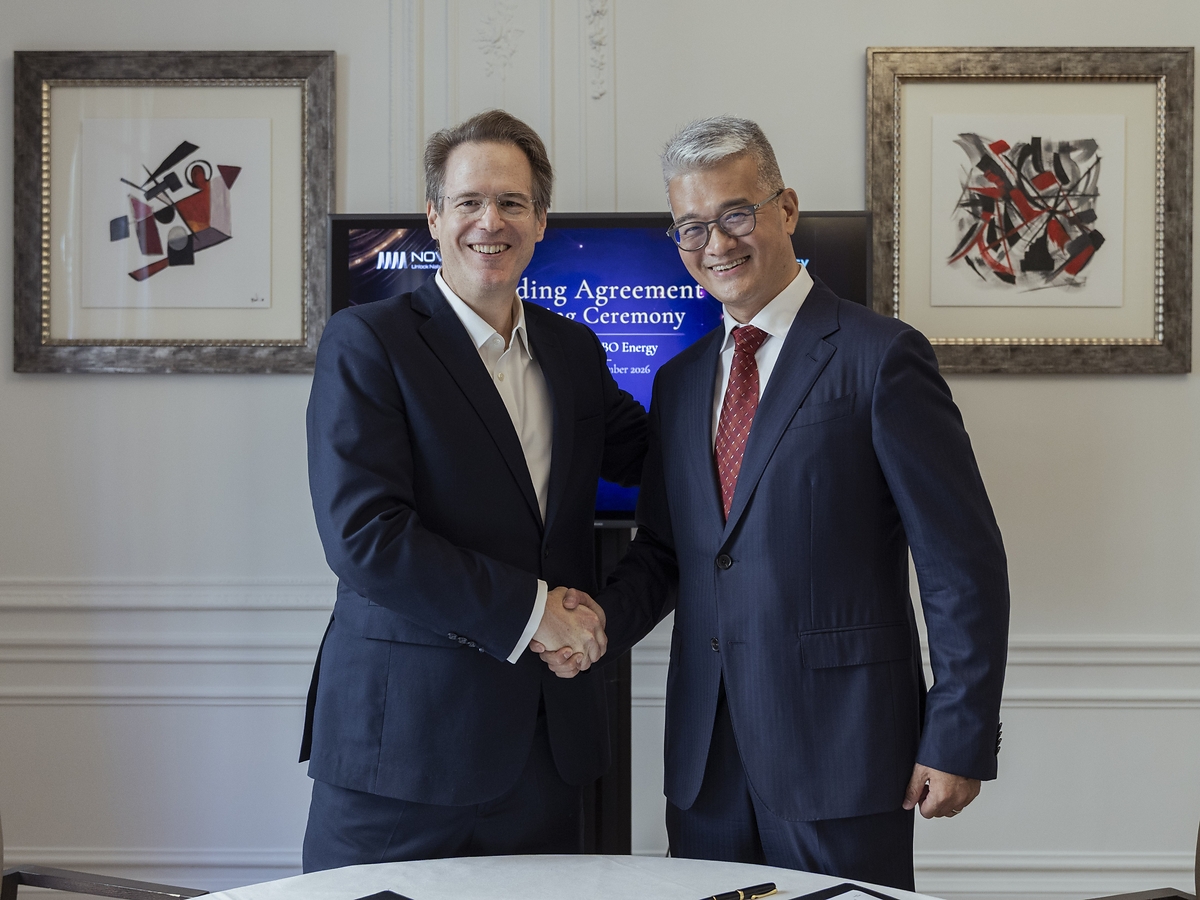
- Steven Liu has agreed under a binding framework for Novva Group to acquire 3.17 GW of renewable-energy projects in Argentina from the German developer ABO Energy.
- Novva bought from ABO Energy once before, agreeing in June to three Colombian solar projects totalling 37.8 MWac that it calls advanced-stage assets with grid approvals and long-term land leases.
- Novva and ABO Energy date the Paris signing to September 15th, while a PR Newswire release published September 16th says the agreement was signed that day.
Compiled by The EngineerSomething wrong?How this is made
Why it matters
- constraint The 3.17 GW is prospective wind and solar capacity, so no data-center siting plan can be underwritten against it until permits, interconnection and construction are behind it.
- decision Anyone weighing the Argentine headline against Novva's Colombian portfolio has to decide whether nameplate figures at different development stages belong in the same comparison.
- precedent This is Novva's second purchase from the same developer. Expect more framework announcements to land well ahead of definitive agreements.
This deal sits between two instruments: a framework agreement and a share-purchase agreement. ABO Energy says the sale is expected to be finalized through a definitive share-purchase agreement after confirmatory due diligence over the next few months [3]. Novva calls the framework binding and the acquisition upcoming [5]. Both descriptions can hold at once: an obligation to proceed, with ownership contingent on what the diligence turns up.
The releases do not agree on the date. Novva and ABO Energy both put the Paris signing on September 15th, while a PR Newswire release published September 16th says the agreement was signed that day [2].
Three Novva deals are on the record in three different units. Argentina is quoted as 3.17 GW, without the qualifier the other two figures carry [17]. The Philippine solar project is 120 MWp [8]. The Colombian portfolio is 37.8 MWac [9]. Whether those figures are comparable depends on which rating basis each uses. Taken as published, 3,170 megawatts against 37.8 is about 84 times the Colombian capacity [11]; the account puts it at more than 80 times and adds that the development stages may differ considerably [10].
The only dated construction schedule belongs to the smallest deal. Novva signed a definitive agreement for the 120 MWp Philippine project on June 19th, construction is scheduled to begin in the first quarter of 2027, and commercial operation is targeted for 2028 [8]. Three days later it agreed to buy three Colombian solar projects from ABO Energy, 37.8 MWac in total, which Novva describes as advanced-stage assets with grid approvals and long-term land leases, targeting commercial operation in early 2028 [9].
Development stage determines the price. Renewable projects can spend years in land agreements, environmental approvals, interconnection studies, financing and construction, and a gigawatt at an early development stage carries a different risk and capital requirement from a permitted project with a grid connection and a contracted buyer [15]. The companies did not disclose the purchase price or the financing structure, or identify the Argentine projects, their locations, technology mix, grid status or permit milestones [6]. Expected output cannot be calculated from the 3.17 GW nameplate without the technology mix.
Liu gives his reason for buying upstream. In Novva's announcement he said that "computing demand reshapes global energy requirements" [12]. The premise underneath is that developers can secure land, chips and capital faster than power systems can add dependable generation and grid connections [13]. He has been Novva's chairman and founder since January 2025 [7], and the company describes its model as an energy investment bank for the AI era, listing teams in eight cities including Buenos Aires [16]. On ABO Energy's side, the agreement advances a strategy of concentrating on core markets [14].
For the 3.17 GW to become electricity a data center can draw, four things have to happen in sequence:
1. confirmatory diligence closes and the definitive share-purchase agreement signs [3]; 2. the projects clear Argentine permitting and interconnection studies [15]; 3. financing closes at an undisclosed price [6]; 4. construction and commissioning finish.
The Philippine project shows what the last step costs when the first three are already done: a definitive agreement in June, ground broken in the first quarter of 2027, power in 2028 [8].
What to watch
- Whether confirmatory due diligence produces a signed share-purchase agreement, and at what price.
- Project-level disclosure for the Argentine assets: names, locations, interconnection status and permit milestones.
- Whether Novva's next ABO Energy purchase is advanced-stage like Colombia or development-stage like Argentina.