Leadership1 publisher2 min readPublished
New Mexico's high court hands Project Jupiter's permit fight back to state regulators
The extraordinary-relief route two environmental groups chose bought them about a month of paused proceedings at New Mexico's air and water agencies, and it ends with the air permit still undecided before a hearing officer the state has yet to name.
The Board Room · Leadership desk
What happened
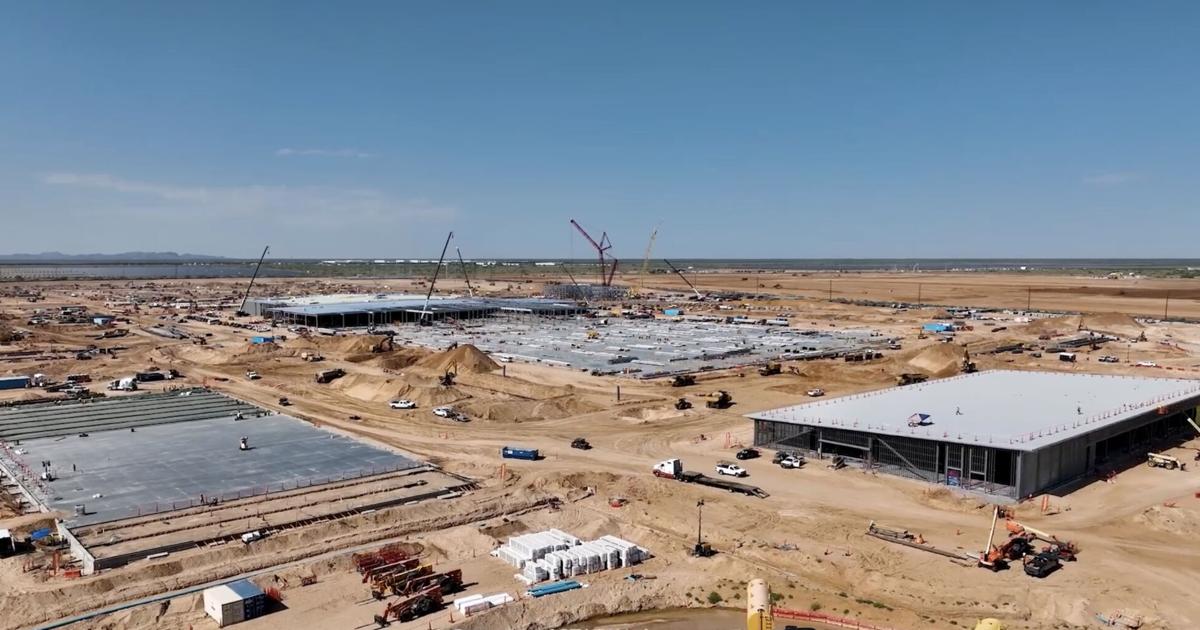
- New Mexico's Supreme Court denied due-process petitions from two environmental groups on Thursday and lifted the pauses it had placed last month on Project Jupiter's air and water permit proceedings.
- Office of the State Engineer officials confirmed that the project's permit to draw from a well at its 1,400-acre Santa Teresa construction site becomes active again as a result of the decisions.
- A hearing on the air permit application had been scheduled for September, and it is not yet clear what the new timeline will look like.
- The proceeding that resumes will decide whether the natural gas fuel cell system meant to power the campus may release emissions.
Compiled by The Board RoomSomething wrong?How this is made
Why it matters
- constraint The petitions produced a delay: the air permit case resumes under the agency process the groups called stacked against meaningful public participation, and their objections have to be made there now.
- decision The Environment Department's pick of hearing officer now decides the schedule and the evidence rules that the challengers failed to get changed in court.
- precedent Because both denials arrived unexplained, the pause remains available to the next campaign in New Mexico without anyone learning whether the due-process argument can win on the merits.
- exposure The emissions decision on the fuel cell system is the open question for the developers, and it sits with a state agency rather than a court that has now stepped back.
The two groups asked for extraordinary relief, and their own lawyer described it that way. "We are terribly disappointed, but we also understand that we asked the New Mexico Supreme Court for extraordinary relief," Mariel Nanasi, executive director of New Energy Economy, said [13]. The orders record that the justices reviewed the briefs and responses from the parties and concurred on denying both petitions [6]. Colin Cox, an attorney at the Center for Biological Diversity, echoed that disappointment [18].
The pause ran roughly a month. The justices imposed it last month and lifted it on Thursday [3], and the stay had taken effect in August, one day after the hearing officer presiding over the air quality case resigned [9][19]. Drew Goretzka, a spokesperson for the state Environment Department, said officials will appoint a new hearing officer and follow the court's guidance in moving forward [10].
Much of what Nanasi's petition objected to was the former hearing officer's own conduct of the case: rulings she argued benefitted the developers at the expense of scrutiny, an accelerated hearing schedule and unfair limits on evidence sharing [16]. "We went to the Supreme Court because we believed the rules of this proceeding were stacked against meaningful public participation," she said [14]. Those calls now belong to whoever the department appoints [10]. "We hope that what happens next is simple: A fair hearing," Nanasi said [17].
A month is small against a multibillion-dollar construction schedule [4]. The scheduling risk did not end with the orders. The replacement hearing officer will set the pace of the air permit case, and the department has not said who that will be [10].
The developers' most recent application seeks approval for the annual release of about 10 million gallons of greenhouse gases, measured in carbon dioxide equivalent, according to the Santa Fe New Mexican [15]. The question is still open. Oracle, one of the primary partners in the project, said in a statement: "Oracle and its project partners will continue working with NMED and all relevant authorities to ensure Project Jupiter meets applicable environmental and regulatory requirements. We remain committed to transparency and working with the community to deliver lasting benefits for New Mexico." [12][21]
For anyone budgeting a build of this scale, this record supports a narrow claim about the procedural playbook: two groups arguing due process took the air and water proceedings to a state supreme court, held them for about a month, and the campus remains under construction [1][2][19]. The orders came without reasoning [6], so the next group to file the same petition in New Mexico begins where these two began.
What to watch
- Who the New Mexico Environment Department appoints as hearing officer, and whether that person reopens evidence sharing.
- Whether the Environment Department grants or denies the natural gas fuel cell emissions permit, and on what schedule.
- Whether the two groups return to the agencies or the lower courts once a new hearing schedule is set.