Invest1 publisher2 min readPublished
Waymo pools demand from two rider apps into a single Nashville fleet
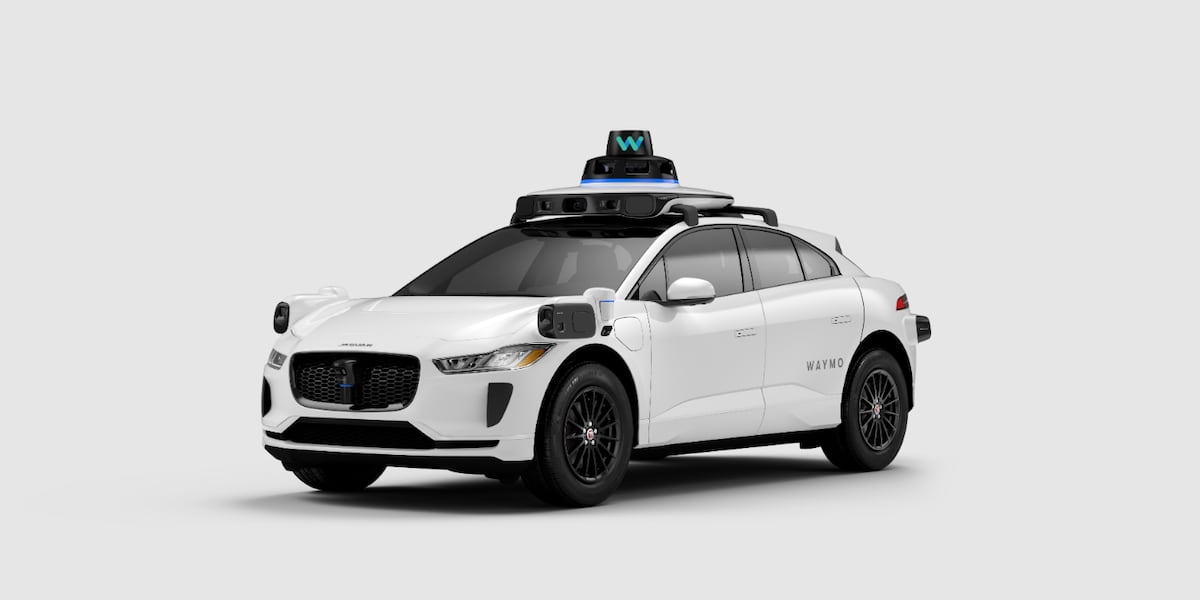
Waymo's Jaguar I-Pace cars went live in Nashville on September 9 hailable from either Waymo One or Lyft, and the agreement between the two companies binds neither side exclusively.
The Investor · Invest desk
What happened
- Waymo's Nashville robotaxi service went live on September 9, 2026, covering Downtown/Broadway, North Nashville/Germantown, East Nashville, Midtown and South Nashville.
- It is the first market where Waymo's fleet can be hailed through both the Waymo One and Lyft apps at the same time, with tiers including Standard, Priority Pickup, Wait & Save and Extra Comfort.
- Lyft's Flexdrive subsidiary will run maintenance, charging and cleaning from a new 80,000-square-foot depot opening in October 2026, staffed in part by former Lyft drivers.
- Waymo already operates in Phoenix, Atlanta, Austin, Los Angeles and San Francisco, with Uber as a partner in several of those markets.
- Lyft's stock jumped between 10% and 16% when the partnership was first announced on September 17, 2025.
Compiled by The InvestorSomething wrong?How this is made
Why it matters
- capability Two rider pools feeding one fleet is the only new economic effect the deal creates, and the higher utilization accrues first to the party that owns the Jaguars.
- decision Lyft's spending in this market goes into depot space, chargers and technicians, the one layer of robotaxi supply it can still own outright.
- exposure The cost line Lyft most wants to shrink is human drivers, and the substitute is a fleet owned by an Alphabet subsidiary that owes Lyft no exclusivity.
- precedent If this structure is copied city by city, any rideshare app becomes an interchangeable way to hail someone else's cars, and its bargaining power narrows to how much incremental demand it delivers.
Lyft's shares moved on the announcement 357 days before a passenger in Nashville could actually hail one of the cars [1]. The report does not state how fares are split between the two companies [5].
Waymo has one fleet taking orders from two apps. The claimed benefit is that two separate rider pools keep utilization higher than either app could manage alone [5]. Waymo owns the cars [4].
Lyft's contribution is property and payroll. The depot that will do the maintenance, charging and cleaning opens roughly a month after the cars started carrying passengers [2].
This relationship has been non-exclusive from the start: Lyft and Waymo first signed a non-exclusive agreement in 2017 [10], nine years before the Nashville launch [4]. Lyft is the only rideshare partner in the city for now, and Waymo can add Uber as a second dispatch channel whenever the numbers favour it [8].
I'd expect Lyft's position in Nashville to be priced as a distribution channel: a non-exclusive distributor is paid for the incremental demand it brings, and the day Waymo decides Uber's rider pool is also worth dispatching into, the dual-app city becomes a three-app city. The counter-thesis is that operations is the scarce input: depots, chargers and technicians are capital and headcount in every metro Waymo enters, and Flexdrive is paid for servicing vehicles whether or not Uber is added. cryptobriefing.com frames the risk a third way, as dependency: Lyft has no proprietary self-driving technology and relies on an Alphabet subsidiary to keep the arrangement mutually beneficial [17].
Lyft is not rebuilding an autonomy stack; it sold that division to Toyota's Woven Planet in 2021 for $550 million [12], five years before this launch [3]. It also does not bear the cost of developing the technology it now dispatches [16]. Human drivers are its largest cost center, and autonomous vehicles cut per-ride marginal cost once a fleet is deployed [15].
The thesis that Lyft is a replaceable channel fails if Waymo keeps Nashville single-channel while Lyft adds cities. Lyft executives have signaled the Nashville model can be replicated elsewhere [13], and Nashville is only Lyft's second autonomous market, after a May Mobility pilot in Atlanta [14].
What to watch
- Whether Waymo adds Uber as a second Nashville dispatch channel, the first real price check on Lyft's channel position.
- The October 2026 Flexdrive depot opening, and whether Lyft discloses per-vehicle operations economics with it.
- The next Waymo-Lyft city, and how much of it Lyft operates beyond the app.