Science1 publisher2 min readPublished
NSF NCAR couples its Atlanta heat dataset to a weather model that accounts for buildings
HUMID-Atlanta covers 2010 through 2023 and is publicly available. Whether its building-scale wind and humidity explain heat harm better than thermometer readings is being tested in an NCAR and Emory study of kidney injury.
The Scientist · Science desk
What happened
- NSF NCAR, Emory University and the University of North Carolina at Chapel Hill built HUMID-Atlanta, a high-resolution urban meteorology dataset for the Atlanta metropolitan region.
- The enhanced dataset covers 2010 to 2023 and can be cross-referenced against records such as hospitalizations from the same period.
- Andrew Newman of NSF NCAR is leading agency researchers and Emory colleagues in using the dataset to study how heat waves affect acute kidney injury.
Compiled by The ScientistSomething wrong?How this is made
Why it matters
- capability A heat-health study that once assigned one exposure to a whole metropolitan area can now give a downtown block and a suburb different wind, humidity and heat values for the same hour.
- constraint The sharper record is 25 years shorter than the one it improves on, so analyses of rare severe heat waves have fewer events to work with.
- decision A city weighing whether to fund a coupled urban model has a working template to copy and no published figure for what the coupling buys over thermometer-based exposure estimates.
- precedent If the nationwide version Lin describes materialises, WRF-Urban coupling becomes the expected basis for heat-exposure data and station-based estimates become the fallback.
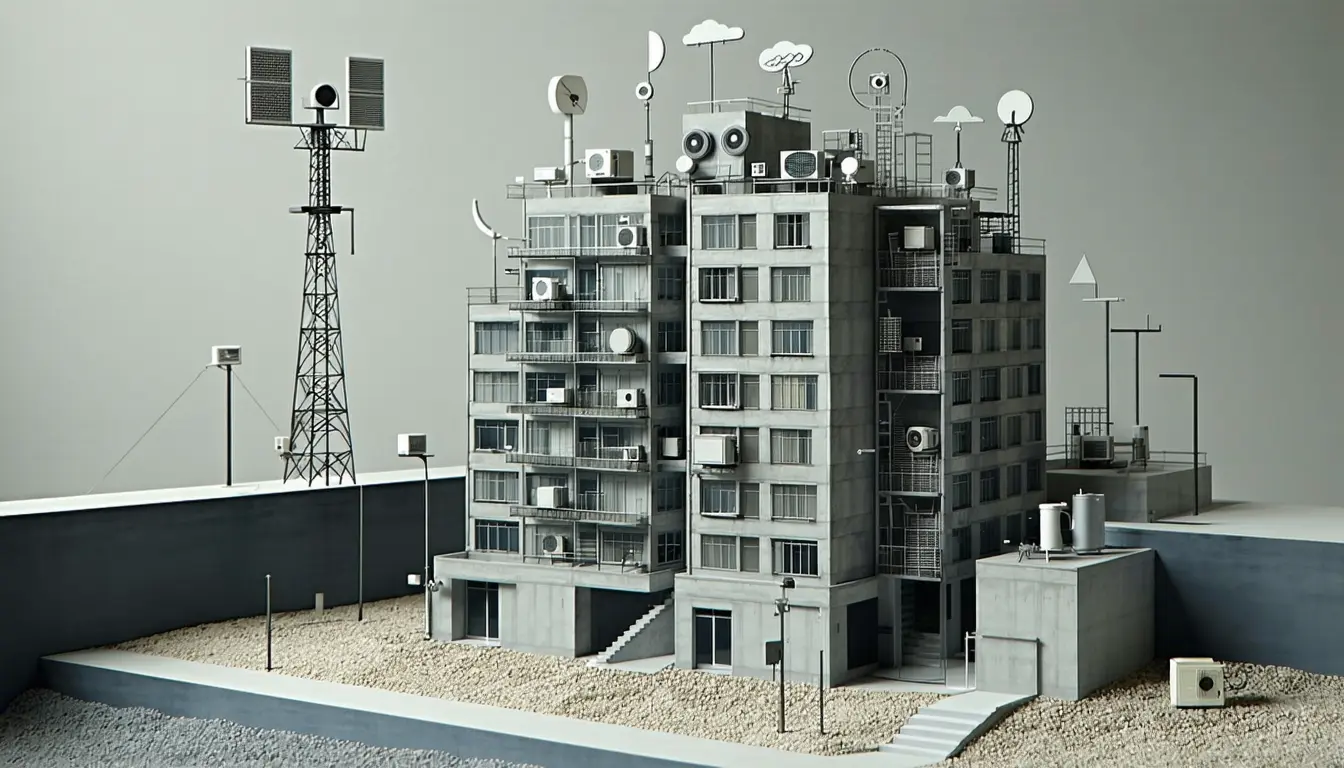
"Offline" is the operative detail in how the first HUMID was built: an urban model its authors describe as simplistic, run against temperature and humidity measurements for 1980 through 2018, with no account of how the atmosphere interacts with the urban environment [5]. The coupled version solves the two together. The WRF-Urban extension carries building height into the simulation, which is what lets HUMID-Atlanta represent how wind moves around buildings and influences cooling [6]. The same air temperature does not feel the same on two blocks, because layout changes wind and shade [4].
The fidelity costs record length. The original spanned 39 years; HUMID-Atlanta covers 14, and the extension through 2025 brings it to 16 [16][8]. Nine years, 2010 through 2018, sit in both datasets [17]. For heat-wave epidemiology the count of extreme events sets the statistical power, and a 14-year window holds fewer heat waves than a 39-year one. The published account describes the data as high-resolution without giving the model grid spacing or a numerical comparison of old and new heat values [18].
Whether building-scale meteorology changes health conclusions is under test. Earlier work on kidney disease and heat exposure did not separate people living in city centers from those in suburbs or rural areas [13]. Andrew Newman, an NSF NCAR senior scientist and a co-author, said: "Not only is acute kidney injury a serious health concern, but the economic burden of treating those with it is substantial" [14]. He said the dataset and its successors "have the ability to fill major gaps in heat health research" [20]. That analysis is still under way [12].
Tzu-Shun Lin, the lead author and an NSF NCAR scientist, said: "This is a useful tool in actually quantifying how human beings experience heat in an urban environment and how factors like wind or humidity influence the impacts" [9][11]. The team is "already talking with other major cities and looking into the possibility of creating a version for the entire conterminous U.S.", Lin said [10]. Lin also sees the method being developed to forecast future meteorological changes and to feed early warning systems for extreme heat action days [15].
What to watch
- Publication of the NSF NCAR and Emory acute kidney injury analysis, and whether within-metro exposure differences change the estimated heat-AKI relationship.
- Whether a conterminous U.S. version appears, and at what grid spacing and computational cost.
- Any published comparison quantifying how far HUMID-Atlanta heat values depart from the offline HUMID values over the nine overlapping years.