Product1 publisher2 min readPublished
Boston's pilot caught Flock sharing camera data the contract said was turned off
The city's report on its 2025 Flock trial says data went to outside law enforcement agencies while both the agreement and the company said sharing was off, and hackers separately pulled people and bicycle detections off a camera.
The Product Desk · Product desk
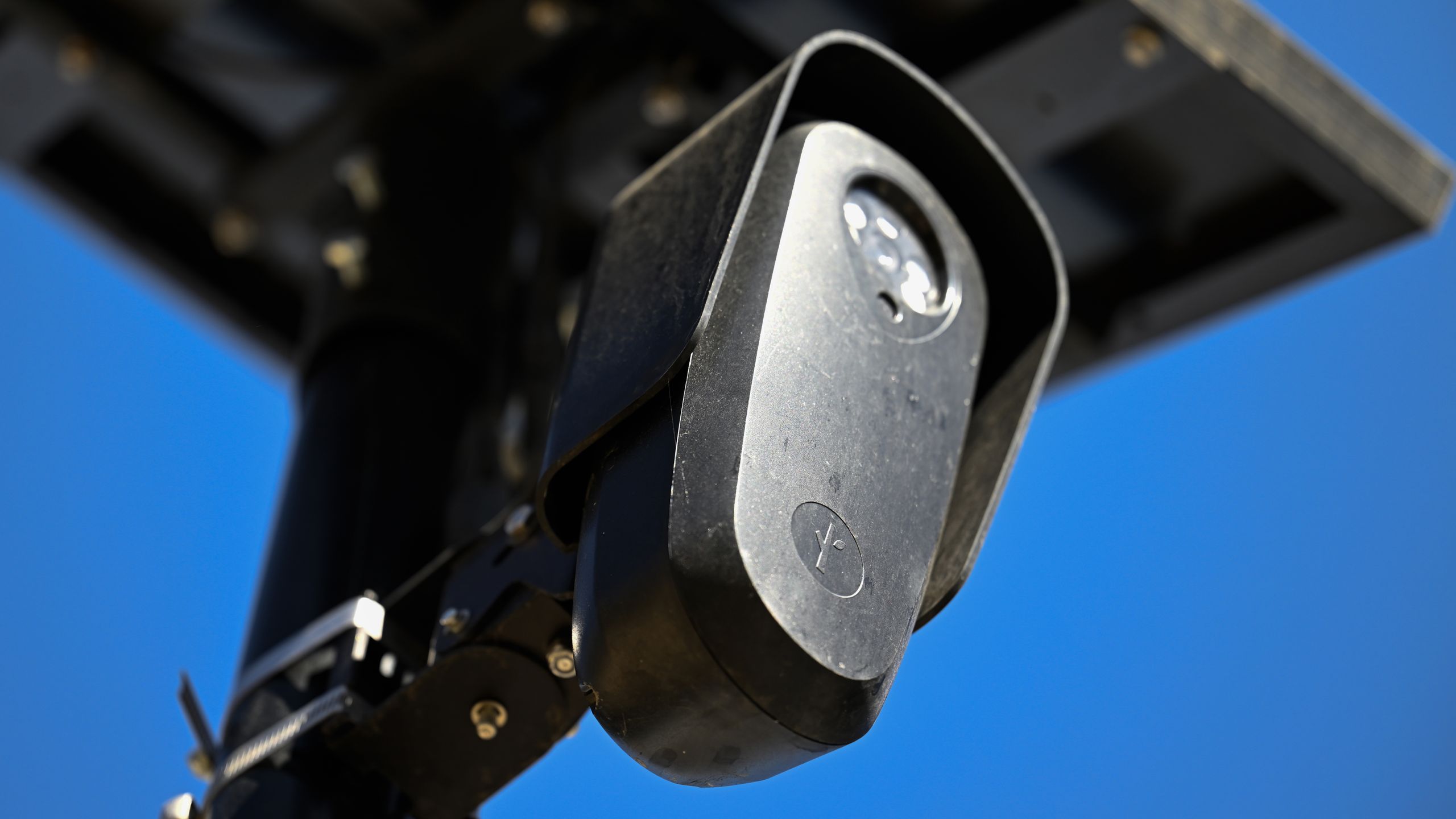
What happened
- City officials and the Boston police department have committed to stop using Flock cameras going forward.
- The police department is already trialling two competitors, with a Motorola pilot that began in February and an Axon pilot that began in June.
- Hackers who recovered data from a physical Flock camera found that it detects people and bicycles and can isolate specific bumper stickers, according to TechRadar.
Compiled by The Product DeskSomething wrong?How this is made
Why it matters
- constraint A buyer who relies on the vendor's word that sharing is off has no independent check, so verification becomes a line item: someone has to pull and read the query records during the trial.
- exposure Physical access to a pole-mounted unit belongs in the risk assessment alongside the login page for the console, because the stored detections came out of the hardware.
- decision Boston now decides whether its two live plate recognition pilots get the verification the Flock trial only produced because the city went looking.
- precedent Pre-filled reasons for a search set what the next department is offered, and an option marked "Other" leaves an after-the-fact auditor with nothing to test.
Boston had the claim in writing. The city's agreement with Flock said data sharing was to be turned off, and the company confirmed that was the case, according to the report the city published on its 2025 pilot [2][3]. Data went to external law enforcement agencies anyway [1].
The city knows because it ran a pilot and wrote up what it found [3]. Another buyer can copy that sequence: put an end date on the trial, ask for the records showing which outside agencies queried your data, and have someone who does not sit in the vendor relationship read them. The cost is a few weeks of calendar time and an awkward conversation about log formats before signature.
The second finding moves the problem from the console to the pole. Researchers took data off a physical camera and found it detects people and bicycles, and can isolate specific bumper stickers, TechRadar reported [6]. Its account says the researchers were analysing encrypted data and does not explain how they read it [7].
Advocates of automatic licence plate recognition argue for limiting automatic sharing between agencies, restricting which officers have access, and attaching a case number and a stated reason to every request, and many agencies now do this [11]. Records obtained by the Electronic Frontier Foundation show officers typing "LMAO," "idk lol," "TBD," and "Sexy" into the reason field, with others filling it by mashing the keyboard [8]. Flock added prepared options such as "Traffic infraction," one of which is a generic "Other" [9]. The EFF contacted several departments; some officers were reprimanded and some departments said policy had changed since [10].
Boston's sharing toggle failed both tests that matter to anyone doing the procurement: the assurance came from the vendor, and the sharing surfaced only because the city looked [2][1]. The tests are whether you can observe a failure without the vendor's cooperation, and whether the control leaves a record you can read yourself. Local storage on the device sits at the other extreme, where a teardown is an observation anyone can make, including people who are not on your side [7]. The reason field does produce a record you can read, and reading it is how "idk lol" became public [8]. It restricts nothing at the moment of the search, and the argument now on the table is a warrant per search instead [12].
Boston's police department is running the next two tests already. The Motorola trial began in February and the Axon pilot in June, the second and third plate recognition vendors through the city in this stretch [5][13].
What to watch
- Whether Boston publishes a written verification standard, or query logs, for the Motorola and Axon pilots it is already running.
- Whether Flock changes what its cameras store locally after the teardown findings, and whether it says so publicly.
- Whether other cities that ran Flock pilots with sharing disabled go back and check their own access records.