Security1 publisher2 min readPublished
Seattle activist says the city's crime-center console opens from a home computer
Community Not Cameras wants Seattle's council to rein in surveillance procurement. The account one of its members gives of the police fusion room points instead at credential control and session logging.
The Watch · Security desk
What happened
- Clifford Cawthon, a policy advisor at the Washington State Department of Commerce, gave public comment at Seattle's Public Safety Committee on Tuesday in a silver Doctor Doom mask, claiming to have taken over Axon.
- In character, he told the council that Doom's second gift would be expanding the real-time crime center to all neighborhoods with over 1,000 cameras watching every move.
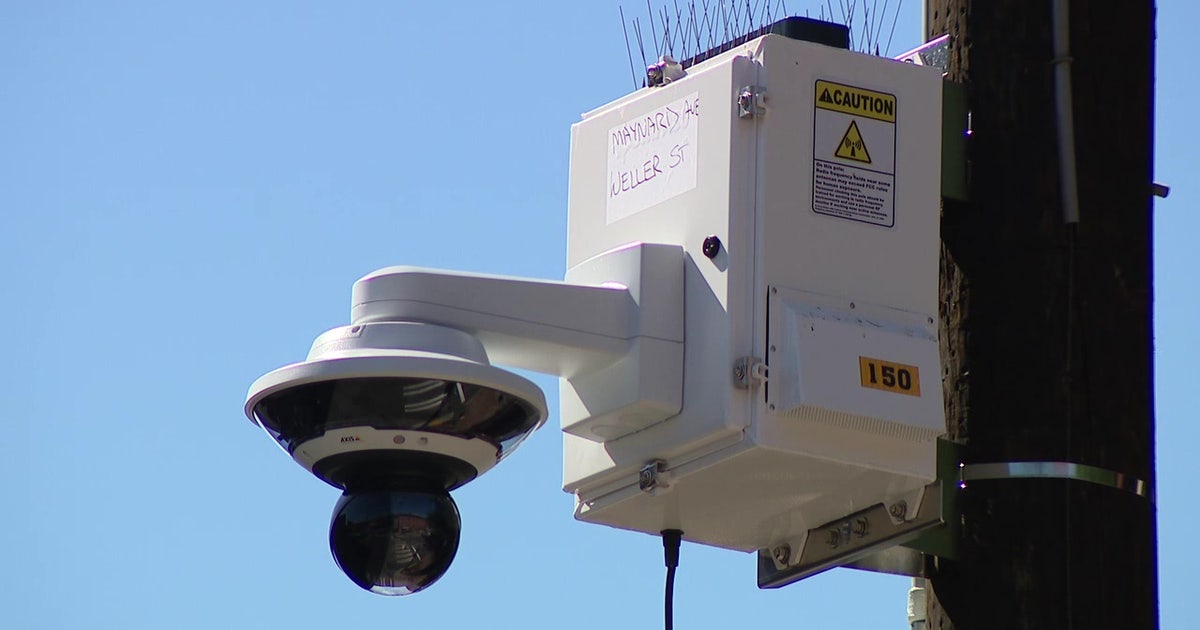
- Seattle's police department currently has access to 62 surveillance cameras around the city, many of them wired into a real-time crime center.
- Cawthon belongs to Community Not Cameras, which is pushing to rein in Seattle's use of Flock and Axon systems and had drafted a petition with specific asks of the council.
- The format was borrowed from a California activist who went viral appearing as Darth Vader to speak about Flock cameras at a public meeting.
Compiled by The WatchSomething wrong?How this is made
Why it matters
- exposure If credentials really do work from a home machine, what's reachable is the fused index behind the cameras, and every plate read and location record in it answers to whoever holds the password.
- contradiction The most quotable expansion figure in the coverage was delivered by a man in a mask, so anyone citing 1,000 cameras per neighborhood as Seattle's direction of travel is sourcing satire, not a docket.
- constraint Capping camera purchases does not constrain the join: the center pulls dispatch, body-camera and geolocation data that a city already collects, so procurement votes leave the misuse path untouched.
- precedent Costumed public comment has now landed twice, in California and Seattle, which makes it the likely delivery vehicle for camera-network objections and pushes officials to answer the theatre rather than the access rules.
A real-time crime center is a query layer over feeds that already exist. Axon's own description of the product lists them: CCTV, body-worn camera, geolocation data, automatic license plate recognition, alert sources like shot detection or alarm systems, and computer-aided dispatch [6]. None of that is new capture. The product is the join.
Cawthon gave the operator-relevant detail in this story to 404 Media over the phone, after his council testimony. He told 404 Media the center has a wall of about nine screens that can bring up cameras from around the city at any given time [7], and that staff can, in his words, conceivably log in even from their home computers with the right credentials [8]. He carries that claim alone, from a visit, and no city or Axon response to it appears in 404 Media's account. It amounts to a firsthand account from a single visit, unverified by any audit. It still frames the question correctly. On a fused console the account is the asset. A camera shows one street; a session shows plate reads, location history and body-worn video across the city, to whoever holds the credentials, from wherever the session is opened.
The arithmetic on the two camera figures is worth doing. One neighborhood at 1,000 cameras against 62 across the whole city is about 16 times the current fleet: 1,000 divided by 62 is 16.1 [13]. That number is rhetorical, not a proposed plan, and it comes from a man in a mask.
Cawthon's off-stage complaints are narrower and harder to wave off. He said the data is not secure, and that in many cases these companies work with ICE and are very open about it [12]. Both come down to configuration: who gets issued credentials, whether remote sessions are logged and anyone reads the logs, how long plate and geolocation records live, and which outside agency can run a query against them. Those live in account reviews and retention schedules, which are a slower thing to get onto a council agenda than a silver mask.
What to watch
- Whether any Seattle ordinance, contract or budget line proposes the real-time crime center expansion the performance described.
- Whether the city or Axon responds to Cawthon's account of staff logging into the center from home computers.
- Whether Community Not Cameras' petition asks shift from camera counts toward credential issuance, session logging and retention limits.