Invest1 publisher2 min readPublished
Danantara attaches a skills-transfer clause to the money it sends Wall Street
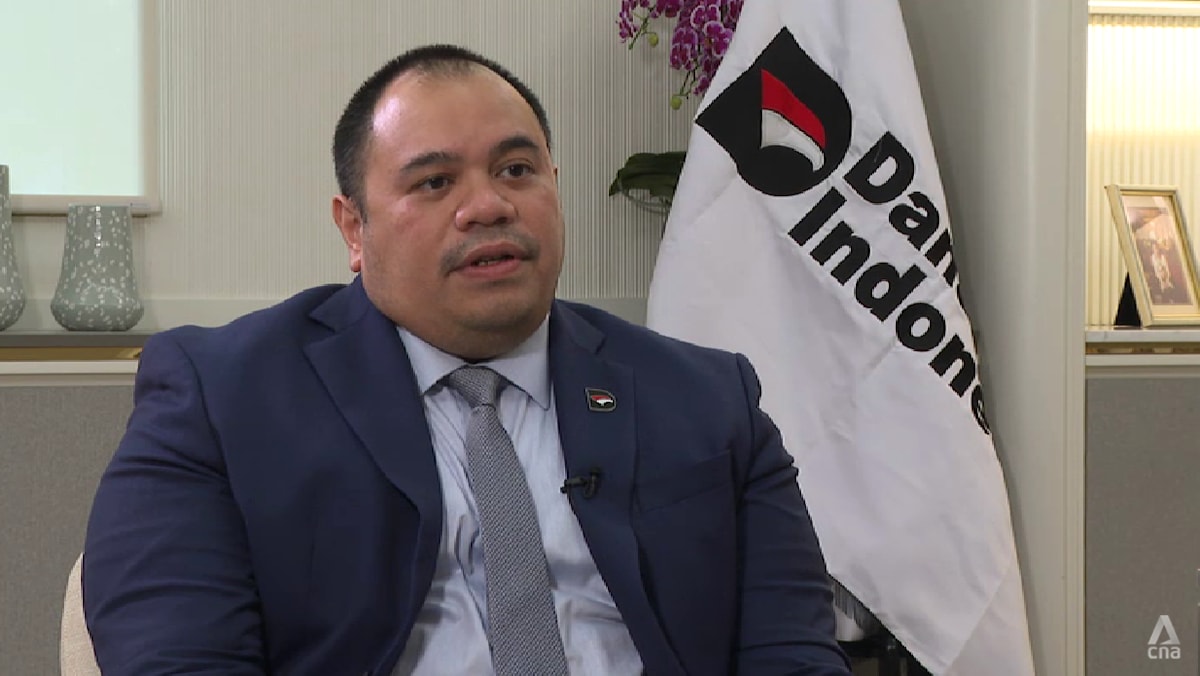
Indonesia's Danantara values its holdings at about $1 trillion, roughly the size of Saudi Arabia's PIF. Its investment chief wants the managers who take that money to train his staff and improve Indonesia's stock market.
The Investor · Invest desk
What happened
- Danantara, founded in 2025, values its holdings at about $1 trillion, putting Indonesia's fund in the same size bracket as Saudi Arabia's Public Investment Fund, according to Semafor.
- Chief investment officer Pandu Sjahrir has a two-sided mandate: turn more than 1,000 state-owned enterprises, half of them unprofitable, into listable dividend payers, and invest abroad for jobs and exports.
- The fund has hired Neuberger Berman to help pick deals and managers, is preparing its first hedge fund allocations later this year, and is sending executives on secondment to Wall Street firms.
- Sjahrir names the mistakes he wants to skip while compressing a "walk, run, sprint" trajectory: Saudi Arabia's billions lost in Silicon Valley, and the collapse of Malaysia's 1MDB in a corruption scandal.
Compiled by The InvestorSomething wrong?How this is made
Why it matters
- constraint A manager selling only financial return has nothing Danantara's mandate can approve, because every outbound commitment also has to show jobs or export capacity landing in Indonesia.
- cost More than 500 loss-making state companies sit on the same balance sheet as the trillion, and repairing them competes for the capital being offered to outside managers.
- exposure A governance failure at the fund reaches Indonesia's ability to attract foreign capital while it runs twin deficits, not just the fund's own returns.
A trillion dollars of holdings spread across the 300 million people Pandu Sjahrir counts as Indonesia's addressable market comes to about $3,300 an Indonesian [1]. Divided instead by the more than 1,000 state-owned enterprises he has been told to turn into dividend payers, it averages under a billion dollars apiece [2]. More than 500 of those companies are unprofitable [3]. Semafor's interview does not include a figure for how much of the trillion is cash.
The JBS deal shows the structure Sjahrir wants. Danantara takes a slice of the meatpacker's Australian business, and JBS helps build Indonesia's meat industry [7]. One leg is a financial return. The other is a domestic industry, and the mandate specifies jobs and export-bearing industries, not only returns [4].
The same trade runs at the level of market structure. Sjahrir told Semafor's Liz Hoffman that Danantara has offered global managers the chance to invest, name their own valuation and come into Indonesia's stock market, and asked them in return to say how to change it to compete and make it bigger [20]. "We're willing to offer something very good, because a stock market is a monopolistic business. The only thing we ask in return is: Can you help us improve it?" he said [12].
He prices the secondments as a favour to the manager. "In five years, these guys will be the best we have and most likely in director or managing director roles," Sjahrir said of the executives being sent out to train [13]. "It's the cheapest investment a GP can make" [14].
Asked whether Wall Street sees him as easy money, Sjahrir said: "I cannot change what they think. My focus is: Can we deploy capital well, make good returns, and are they bringing something to the table for us? Perception shifts" [10]. He has started deploying with selected fund managers and says he wants partnership in each one [17].
Two things would show the two-sided mandate is really one-sided. If the loss-making half of the portfolio keeps absorbing capital, the outbound programme stays small whatever the headline valuation says [3]. If the hedge fund allocations due later this year go out as ordinary financial mandates with no training or market-structure condition attached, the partnership language was marketing [8]. I'd expect the JBS structure to be the better guide to what follows, because Indonesia runs both a budget deficit and a trade deficit and needs the goodwill of international investors who worry about graft and political influence [6].
What to watch
- Whether the hedge fund allocations due later this year carry training or market-structure conditions, or go out as ordinary financial mandates.
- Whether any of the loss-making state-owned enterprises reaches a public listing, the stated end point of the restructuring mandate.
- Whether the JBS structure, equity abroad in exchange for industry building at home, repeats in another sector.