Loading today’s stories
Invest1 distinct publisher3 min readUpdated
Spencer Stuart says board trust pays. Its own caveat says boards can't grade themselves.
A survey of more than 1,400 directors and chief executives puts a 66-point trust gap between the best and worst boards. The same firm warns boards overrate their own alignment.
The Investor · Invest desk
What happened
- Spencer Stuart says companies are 60% more likely to hit or beat their growth goals if their board works in close partnership with their chief executive.
- The finding comes from Spencer Stuart's latest survey of more than 1,400 board chairs, directors and CEOs around the world, which the firm says shows a 'dynamic board advantage'.
- In the most 'dynamic' boardrooms, 90% say there are high levels of trust between the chair, independent directors and the CEO, compared with just 24% on the lowest-performing boards.
- Few companies have achieved that alignment, according to the article.
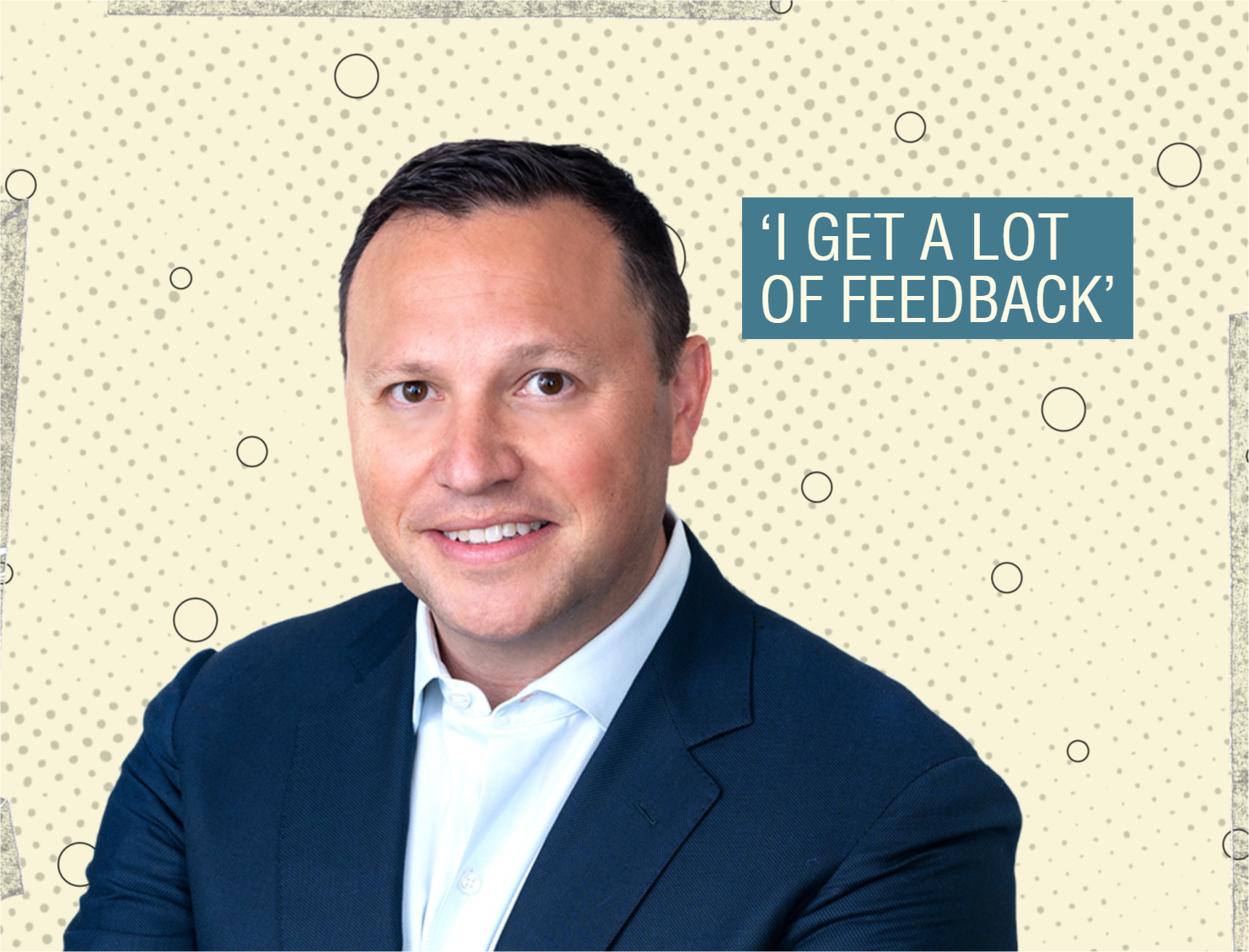
- Jordan Brugg, CEO of Spencer Stuart, says he sees senior executives and their non-executive directors increasingly moving at two different speeds, raising the risk of misunderstandings.
Compiled by The InvestorSomething wrong?How this is made
Why it matters
The spread does more work than the headline. Ninety percent of the boards Spencer Stuart calls dynamic report high trust between the chair, independent directors and the CEO; 24% of the lowest-performing ones do [3]. That is a 66-point gap [1], or close to four times the rate [2]. Differences that wide in self-reported data usually reward a look at who was asked. The sample is more than 1,400 chairs, directors and CEOs [2], which means the survey grades a relationship by polling both sides of it.
Brugg supplies the reason to be careful. He told Semafor's Andrew Edgecliffe-Johnson [17] that it is becoming easier for boards to think they are supportive and aligned with management while the CEO does not necessarily feel that [7]. If that bias runs through the responses, then 24% is the generous reading of the bottom cohort, and the firm's line that few companies have got there [4] understates how few. The 60% figure has a related limit: it is stated as a relative likelihood, with no underlying attainment rate disclosed [1], so nobody outside the firm can turn it into points of growth [3].
Direction of travel is open too. Brugg's own phrasing is that Spencer Stuart is seeing outperformance where the CEO and the board or chair are more aligned [10], and companies hitting plan are agreeable places to be a director. The mechanism he describes runs the other way: trust lets a company make bolder decisions faster and take the friction out of discussing emerging risks [16].
The AI answer is where the governance point gets teeth. Brugg says a lot of CEOs privately acknowledge they are not seeing a return on their AI investments, and that shareholders in some cases still reward them for making those investments [6]; he says he wonders whether investors will lose patience [11]. Meanwhile boards largely keep their traditional cadence while CEOs absorb AI adoption, activism and generational workforce change [15]. A board that reads alignment as the absence of challenge, which Brugg explicitly warns against [12], is the last body likely to press on spending its own chief executive doubts in private.
One caution about the source. Spencer Stuart sells executive search and leadership consulting, and Brugg was elected to run it in 2024 after 22 years at the firm [13]; he has worked on more than 300 CEO succession processes [14]. The experience is real and so is the adjacency between the diagnosis and the practice that sells the fix, which is why the methodology is the thing to ask for: how boards were sorted into cohorts, and whether a board's trust score reflects the CEO's answers or the directors'.
Topics and entities
Follow any of these and your For You feed starts watching them — no settings page required.
Topics
Loading related stories