Invest1 publisher3 min readPublished
The 3.1% drug price drop has three engines, and two of them predate TrumpRx
The steepest annual decline since 1963 is being credited to most favored nation deals. The contracts are not public, the models are not live, and the index measures pharmacy receipts.
The Investor · Invest desk
Drafted by a language model from the sources cited here and checked against its claim ledger before publication. How we use AISend a correction
What happened
- New federal data showed U.S. prescription drug prices fell 0.8% in July and are down 3.1% from a year ago, the steepest year-over-year drop since 1963.
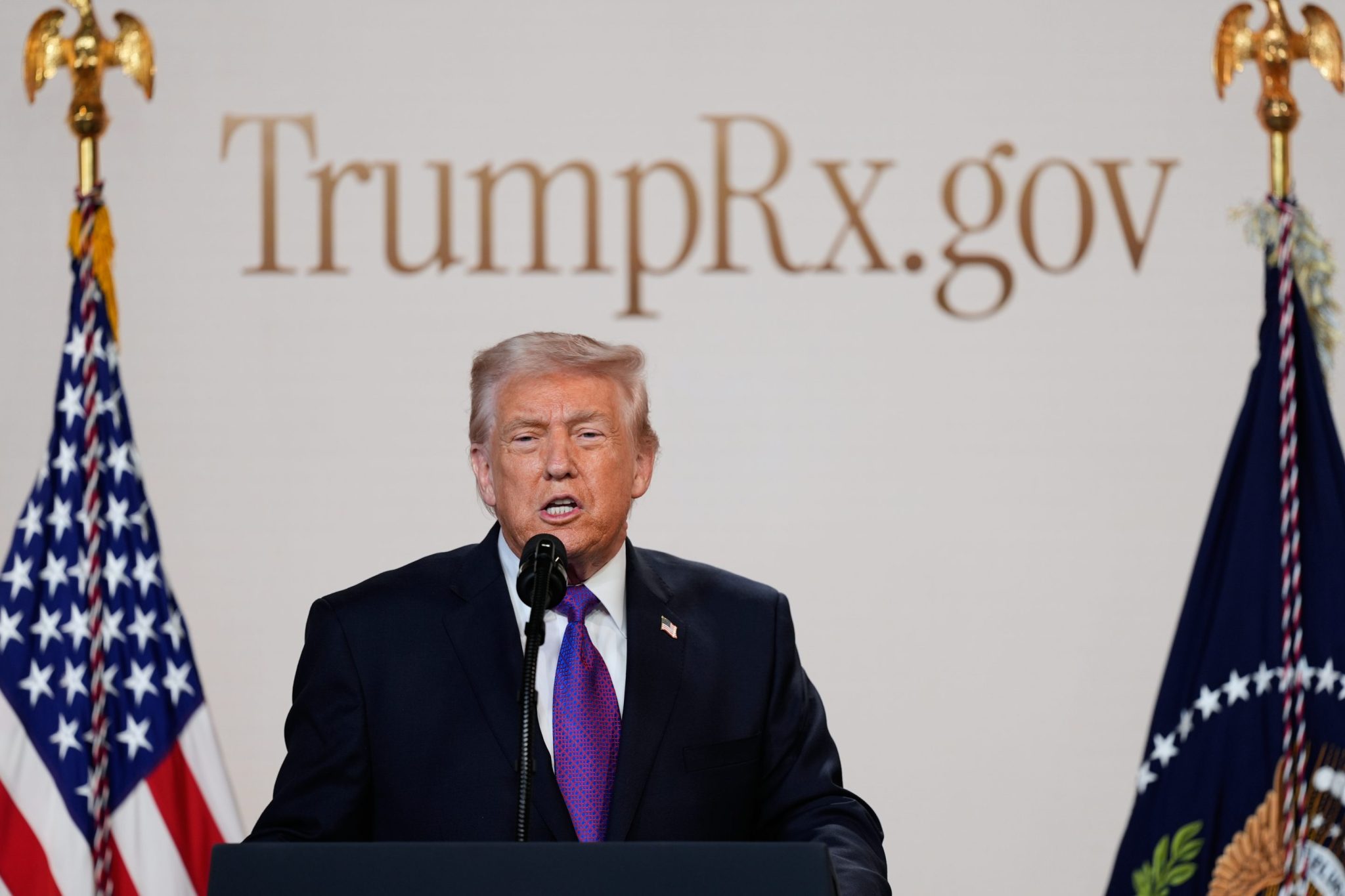
- The White House said the falling prices resulted from President Trump's "most favored nation" drug deals with pharmaceutical firms and the TrumpRx website, which it said are "delivering real relief to American families and putting patients first."
- Drug pricing experts said the real picture is more complicated and that other factors, including the Biden-era law allowing Medicare to negotiate with pharmaceutical companies, are potentially more significant contributors to the latest consumer price index figures.
- The prescription drug price index measured by the Labor Department and released last week does not directly reflect how much consumers pay; it measures how much pharmacies get paid for the drugs, both by insurers and consumers.
- The 2022 Inflation Reduction Act for the first time allowed Medicare to haggle with drugmakers over the cost of the top-selling prescription drugs in the program.
Compiled by The InvestorSomething wrong?How this is made
Why it matters
Federal data showed prescription drug prices fell 0.8% in July and 3.1% over 12 months, the steepest year-over-year drop since 1963 [1]. The White House credited the president's "most favored nation" drug deals and the TrumpRx website with "delivering real relief to American families and putting patients first" [2]; the pricing researchers quoted in reporting published by Fortune pointed instead at machinery that was already running before either existed [3].
Start with what the number is. The prescription drug index released last week by the Labor Department does not directly track what consumers pay [4]. It measures what pharmacies get paid for drugs, by insurers and consumers together [4]. A move in that series tells you the money flowing to the dispensing counter changed, not that a patient's copay did.
The largest identifiable policy input is the 2022 Inflation Reduction Act, which for the first time let Medicare negotiate prices on top-selling drugs in the program [5]. New prices for the first 10 negotiated drugs took effect in January [6], and Juliette Cubanski of KFF, Benjamin Rome of Harvard Medical School and Stacie Dusetzina of Vanderbilt all said that change likely moved aggregate prices [6]. The current administration has continued those negotiations because the statute requires it, and projects further savings ahead [7].
The second input is ordinary patent expiry. "When big blockbuster products face generic competition, their prices fall," Rome said, citing biosimilars that now treat the same autoimmune conditions as Humira [8]. Dusetzina pointed to the same dynamic in Stelara, a biologic for chronic inflammatory conditions [9].
Against that, the MFN contribution is unmeasurable rather than small. The contracts with drug companies have not been published, and the models meant to put MFN pricing into federal health programs have not taken effect [10]. "These policies are under development and have not affected payers in the index," Dusetzina told the Associated Press by email, adding that the change is likelier to be tied to the IRA and Medicare negotiation than to current policy [11]. TrumpRx drew credit from the same experts as a transparency tool, with two caveats: nobody knows how many people use it, and many of the brand-name drugs it features are cheaper through insurance or available as lower-cost generics elsewhere [12]. The $700 million the White House says the site has generated is the White House's own figure [13].
One July-specific policy does sit in the data: reduced prices on GLP-1 weight-loss drugs for certain eligible Medicare enrollees, effective in July, so one month of it is captured [14]. That matters more than it sounds, because on a simple ratio the single July move is about a quarter of the entire 12-month decline [15]. Whether that is the GLP-1 change, negotiated prices working through the mix, or noise is exactly what one aggregate cannot say. "It's difficult to know in one number what's going on beneath the hood," Cubanski said, adding that the reduction cannot be attributed to any single policy or initiative [16].
Three things would settle the argument. Publication of the MFN contracts, and a date on which the federal-program models actually bind payers, would move MFN from claim to input [10]. Two or three more monthly prints will show whether the July step was a level shift or a one-off. And the next tranche of negotiated Medicare prices gives a cleaner test, since its start date is known in advance and its drugs are named [7].