Invest2 publishers3 min readPublished
CJ is adding US stores for Bibigo gimbap faster than it is adding sales
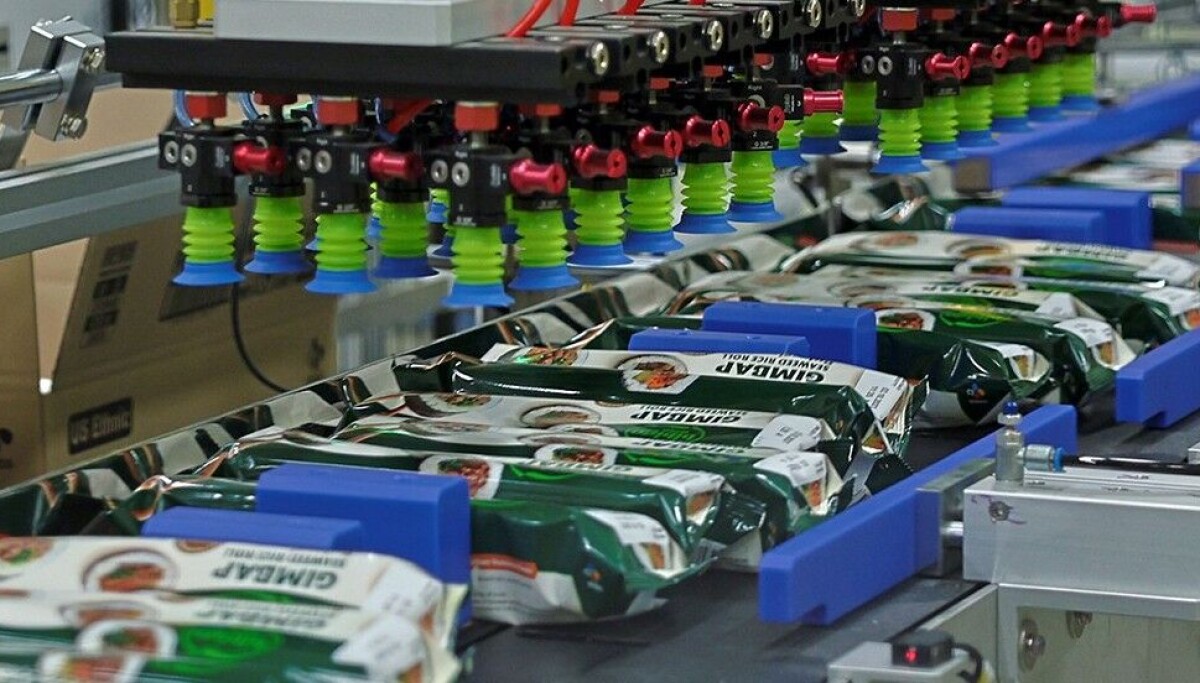
CJ CheilJedang lifted Bibigo gimbap's US store count 145% to 4,734 while sales rose 59% in the first seven months of 2026. Doors grew faster than revenue, so average sales per store fell by roughly a third and the growth so far comes from new shelves.
The Investor · Invest desk
What happened
- Bibigo gimbap entered Kroger in December 2024 and is now stocked by 10 mainstream US retailers, including Albertsons, Food Lion, Cub and Meijer.
- CJ sells only two varieties in the US, bulgogi and spicy bulgogi, and plans to add flavors drawn from Korean ingredients and dishes.
- Cumulative global sales of the frozen rolls have passed 8 million units, with average annual revenue growth of 130%, Seoul Economic Daily reported.
- Korean seaweed exports reached about $479 million in the first eight months of 2026, after topping $1 billion for a full year for the first time in 2025, according to KATI.
Compiled by The InvestorSomething wrong?How this is made
Why it matters
- contradiction Seoul Economic Daily describes the rolls clearing out US freezer sections, yet average sales per store fell about a third; both hold only if shelves are thinly stocked or the newer doors sell much less than the old ones.
- exposure The next decision sits with the 10 chains that took the product: a two-variety line selling less per store is the easiest kind to drop when freezer space is reallocated.
- decision New flavors would let CJ grow inside its existing 4,734 stores by asking each chain for more freezer facings, a route that depends on the per-store sales that just fell.
Stores carrying Bibigo gimbap multiplied by about 2.46 in a year [1], while US sales multiplied by 1.59 [1]. Divide one by the other and average sales per store in the first seven months of 2026 come out roughly 35% below a year earlier [2]. That average is spread over about 2,810 more doors than CJ had a year ago [3].
The comparison is rough. The sales growth covers January through July, while the store count is a single figure for this year set against a year earlier [2]. A door that took the product in July adds a few weeks of sales and a whole store to the base. Neither source gives US sales in dollars, or the years behind the 130% average revenue growth figure [7].
The 35% has three plausible readings. If most of the added doors arrived late in the window, per-store sales recover once they have a full year on shelf, and the drop is timing. If shoppers at the chains CJ added after its December 2024 Kroger entry [3] buy gimbap less often than the early customers did, the average settles lower and US growth stays tied to adding doors. If the weaker sales rate lasts, a line of two bulgogi rolls [4] gives a category buyer little reason to keep the space.
I think the second reading is closest, mostly because of where CJ is putting its effort. As distribution expands, the company is working to introduce gimbap's Korean identity to US consumers instead of relying solely on wider retail availability, the Korea Herald reported [8]. In practice that is a Los Angeles campaign called "OG Recognizes OG" [5] and digital content with Danny Kim, a Korean food creator with about 9 million followers across TikTok and YouTube [6]. A product already selling at the old rate in its new doors would need less explaining. The counter-case is that this is ordinary launch marketing, and seven months of sales measured against a store base that may be weeks old cannot separate a ramp from a ceiling.
Press coverage of gimbap leans on the same heritage pitch. Park Eun-jo, a chef in New York, told The Washington Post that gimbap is "nostalgic and comforting" and that it "means a mother's love" [10].
CJ says it will keep doing both. "We will continue strengthening our mainstream distribution network and consumer marketing to make Bibigo gimbap a representative K-food that US consumers enjoy in their everyday lives," a CJ CheilJedang official said [9].
The view is wrong if CJ's next US update shows sales growing at least as fast as the store count, with per-store sales holding or rising. In that case the 35% drop came from the timing of the rollout.
What to watch
- Whether CJ's planned Korean-inspired flavors win extra freezer facings in the 10 chains already carrying the bulgogi rolls.
- Any change to the retailer list beyond Kroger, Albertsons, Food Lion, Cub and Meijer, in either direction.
- Whether CJ takes the "OG Recognizes OG" campaign or its creator spending beyond Los Angeles.