Science1 publisher2 min readPublished
Australian grain growers are urged to plan for El Nino frosts at flowering
Australian grain growers should treat frost as a growing El Nino risk, a phys.org analysis argues after frost killed highland crops in Papua New Guinea. The frost physics behind the warning holds up, but the claim that the risk is growing is harder to check.
The Scientist · Science desk
What happened
- The authors liken current conditions to those behind earlier highland frosts in 1972, 1997-98 and 2015-16, which left thousands of Papua New Guineans without food and water.
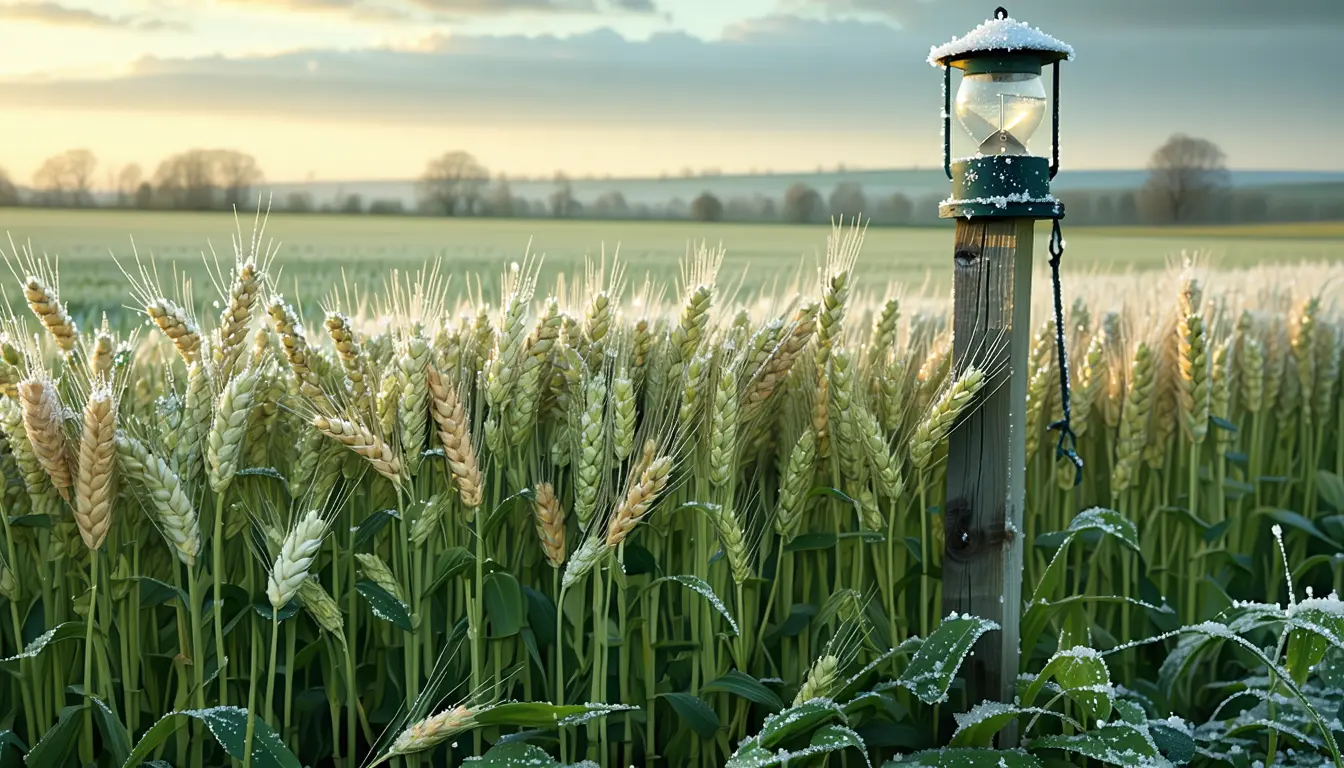
- In wheat, barley and oats, frost during flowering can kill the structures that form grain, and a single night can wipe out a whole crop.
- The Birchip Cropping Group reported in August that crops in northwestern Victoria were on track for an impressive harvest after an unusually wet start to winter.
- Farmers in the southern Mallee and at Wickepin North in Western Australia reported minor frost damage this season, and most Australian growers appear to have escaped.
Compiled by The ScientistSomething wrong?How this is made
Why it matters
- cost One frost night at flowering can leave a grower without enough grain to sell to cover the cost of growing the crop, so a strong-looking season stays at risk until flowering is over.
- decision The main frost defence the authors name is choosing varieties that flower outside the local frost window, so flowering date becomes a variety decision in its own right.
- exposure The wet Victorian start still leaves crops exposed: moist soil holds more warmth overnight but cannot fully protect plants from a severe frost.
- contradiction The authors warn of increasingly fierce and frequent frosts on Australian farms, yet by their own account this season most growers came through with minor damage at worst.
Dry soil is one reason drought and frost can strike in the same season. Radiation frost forms after a cold, clear, windless night. With no cloud cover, heat escapes into the atmosphere and the soil and air cool [4]. Parched soils store less heat during the day, so dry conditions speed up that cooling [4]. In Papua New Guinea's highlands, drought and frost have killed crops together [1].
Terrain decides where the cold settles. Cold air is heavier than warm air, so it drains into valleys and low ground, known as frost hollows, and calm weather keeps it from mixing with warmer air [5]. The thermometer can also understate the risk. Depending on location, a forecast minimum of 3 degrees Celsius or lower can mean frost, because the ground can fall below zero while the official air temperature stays higher [6].
How much a frost costs a crop depends on its timing, length and severity [16]. Breeding offers only part of an answer. Researchers are looking for genes that could make future varieties less susceptible, though the authors write that none of these traits make a crop immune to freezing temperatures [17].
The weakest part of the case is the word "growing". The authors write that the strengthening El Nino threatens to bring increasingly fierce and frequent frosts to farming regions [3]. Their historical comparison comes from the Papua New Guinea highlands [2]. The article does not include Australian frost counts by year. Testing the claim would need those counts, with El Nino years set against neutral ones, before anyone could say how much the odds of a damaging frost change.
I think the advice holds whether or not that trend turns out to be real, because each step follows from how frost forms. The authors suggest growers identify frost hollows, choose varieties that flower at different times, watch short-term weather warnings and check fields after a cold, clear night [12]. The short-term warnings exist: the Bureau of Meteorology issued multiple frost warnings across the country this season [10].
The authors also want governments in Australia and across the Pacific to fund local weather stations and keep investing in crop research on frost, drought and heat tolerance [13]. Local stations suit a hazard that collects in low ground and can differ from one hollow to the next [5].
What to watch
- Whether further frost damage is reported in the southern Mallee or Western Australia before this season's cereal crops finish flowering.
- Australian frost records sorted into El Nino and neutral years, which would show whether the rise in frost risk the authors describe can be measured.
- Food supply in Papua New Guinea's highland communities as they salvage crops, set against the 1997-98 and 2015-16 episodes.