Science1 publisher2 min readPublished
UK climate minister Katie White warns a record El Niño leaves the food system vulnerable
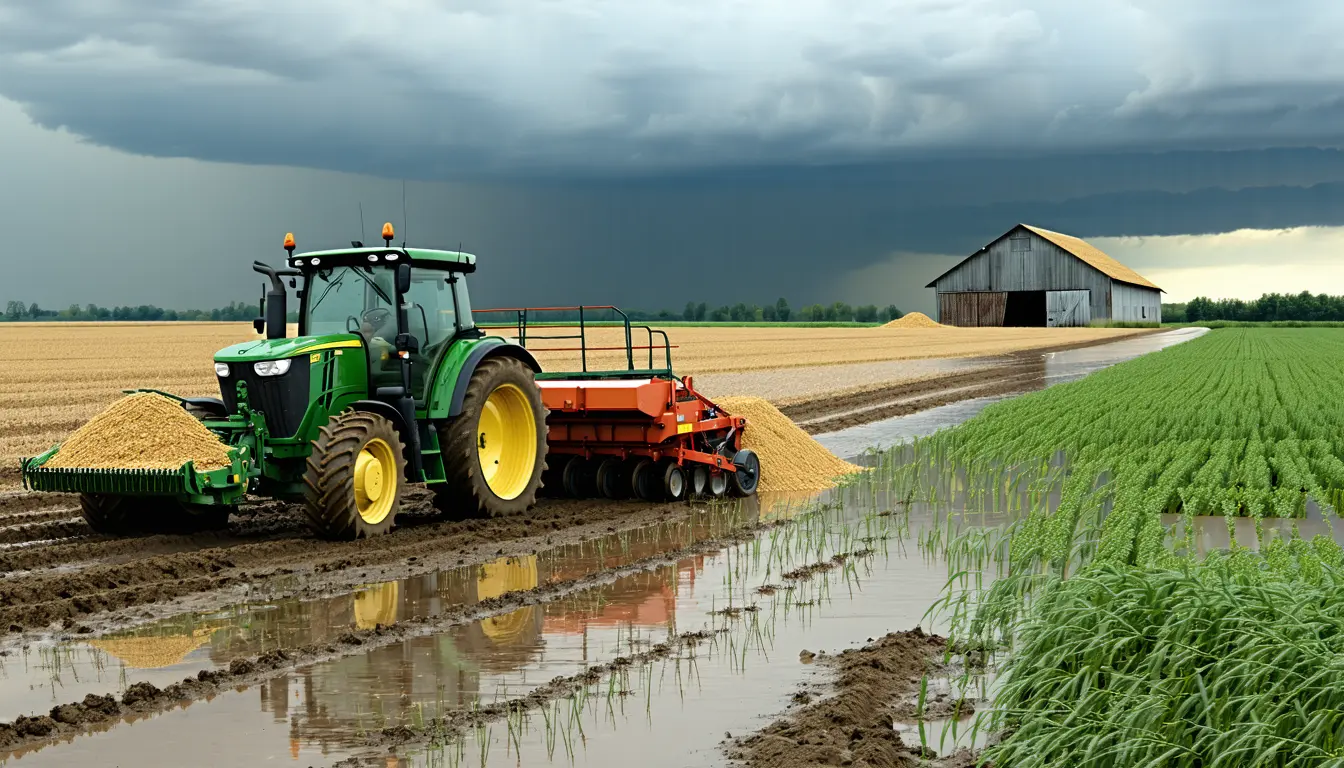
UK climate minister Katie White says a record El Niño leaves the food system vulnerable to the warm, wet, stormy winter the Met Office forecasts. Muddy fields could stop winter wheat being sown, just after the UK's worst-ever harvest.
The Scientist · Science desk
What happened
- Late winters in El Niño years have often been cold and dry in the UK, but this event is strong enough that the weather could stay warm and rainy into spring.
- A UK government report last week warned that El Niño could raise UK prices for imported foods such as rice, cocoa and coffee.
- China, Brazil and Germany have been building up stores of wheat, rice, corn and sugar, while the UK keeps no substantial public food reserves.
- Environment minister Angela Eagle told Britons to store some food for El Niño storms and flooding, and White pushed back against what she called panic and fear.
- A task force White set up, including military experts and scientists, meets in October to examine readiness for climate security threats, including to food.
Compiled by The ScientistSomething wrong?How this is made
Why it matters
- exposure With no public reserve to draw on, grain lost to a failed winter wheat sowing would have to be bought abroad at a time when import prices are expected to rise.
- contradiction White's resilience plan leans on local farms and supply chains without grain stores, a position Monika Zurek at the University of Oxford disputes when she says storage is part of the answer.
- decision Growers face pressure to switch to weather-resistant varieties or different crops altogether, which Zurek expects they probably will have to do.
The spring extension is the part of the forecast to test. El Niño recurs every two to seven years [4], so the cold, dry late-winter pattern the Met Office expects this event to override has many past events behind it [5]. The New Scientist report does not give the forecast's probabilities or say how many comparably strong events the outlook draws on.
Duration matters because of when crops go in. According to New Scientist, muddy fields can keep tractors from sowing winter wheat, as happened in the 2023-24 El Niño, or leave the plants unable to sprout [6]. Wet weather that continues into spring could then undermine spring barley [7]. Livestock farmers may have to spend more on feed and housing, and the magazine expects that to raise meat and dairy prices [8].
The season starts from a low base. Heatwaves and drought linked to global warming cut northern hemisphere yields this summer and left the UK with its worst-ever wheat, barley, rape and oat harvest [10]. "We will have a wetter start to this winter... On the back of a very dry summer, that is difficult," White said [11]. The UK relies on imports for 40 per cent of its food [18]. Its tropical suppliers are exposed as well, since heat, drought and weakened monsoons could cause crops like rice to fail [17].
White does not want public grain stores. "I don't think we need to be in a position of grain stores, but I do think we do need to be looking at where the vulnerabilities are in the food system and how we support local production in the most sustainable way," she said [14]. She was just as cool on households stocking up. "I've always got a few cans of beans, but that's mainly so I'm ready for when I've not had a chance to go to the shop," she said [3].
I'd expect the first real evidence this autumn, when it becomes clear whether tractors can get onto the fields to sow winter wheat [6]. The seasonal outlook and the temperature record will not settle that; the state of the soil will. Monika Zurek at the University of Oxford expects farmers will probably have to plant more weather-resistant varieties or different crops entirely, and argues the UK needs to cut its reliance on imports [15][18]. She parts company with White on reserves. "Grain storage is definitely part of the answer," she said [16].
What to watch
- Whether autumn fields dry out enough for winter wheat to be sown, measured against the sowing lost in the 2023-24 El Niño.
- What White's climate security task force concludes on food when it meets in October, and whether it reopens the question of public reserves.
- Whether the Met Office outlook holds through late winter into spring, since that decides how exposed spring barley is.