Product7 publishers3 min readPublished Updated
Live Rewind and Siri Recap will require the new Apple Watches, Apple says
The S11 is the first real Apple Watch silicon upgrade in three generations, and BGR reports that the only features it gates are two audio betas due later this year, because the rebuilt Siri reaches older watches as a software update.
The Product Desk · Product desk
What happened
- Apple held the Series 12 at $399 and the Ultra 4 at $799 at its September 9 event, even as it raised prices across the iPhone 18 Pro line.
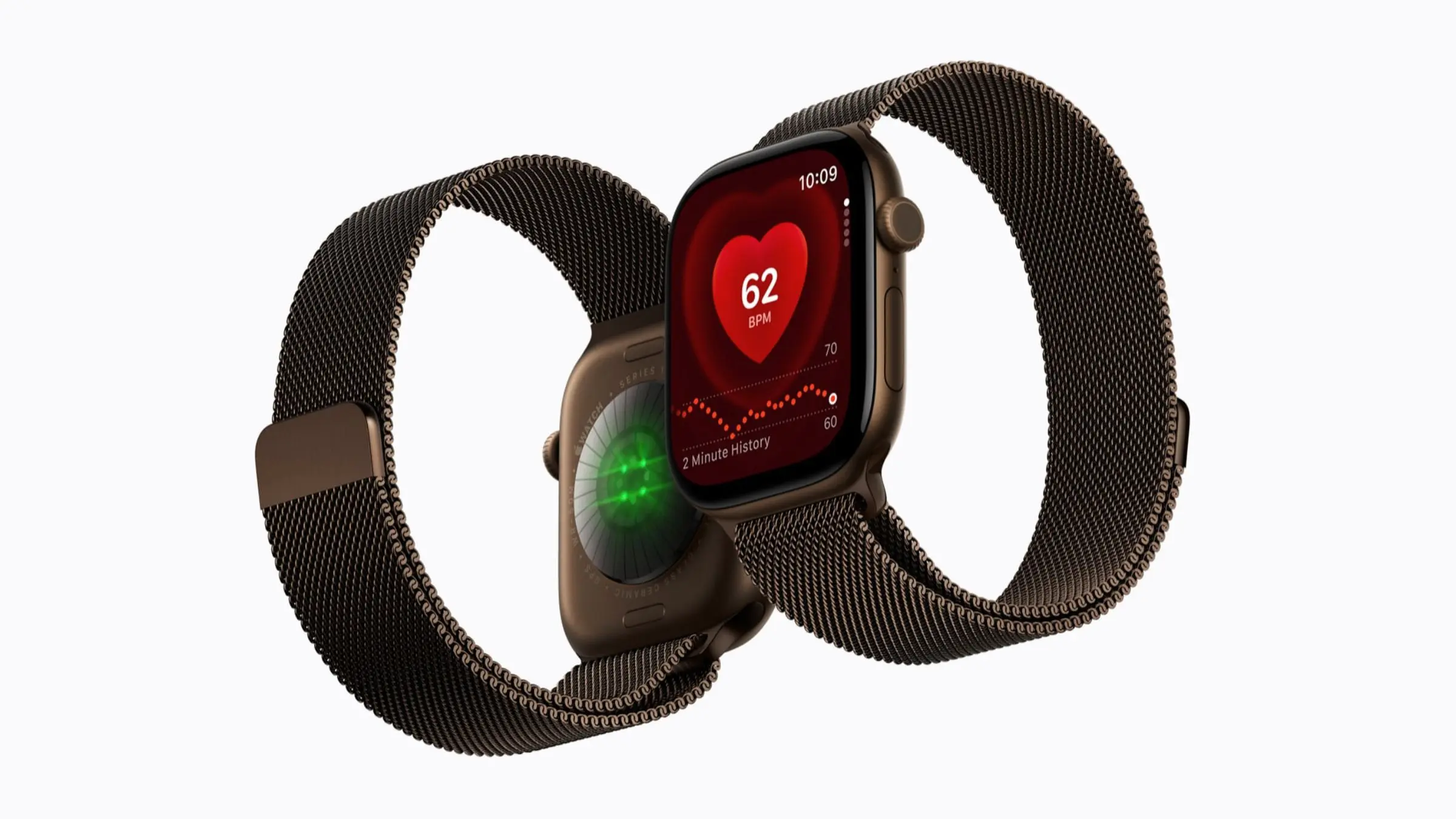
- Both watches run the S11, the first new Apple Watch silicon in three generations, after the Series 11 reused the S10, which was itself the same chip as 2023's S9.
- Readiness converts activity, training load, vitals and sleep score into a daily 0-10 rating with one of four verdicts, using an algorithm from Apple's Heart and Movement Study.
Compiled by The Product DeskSomething wrong?How this is made
Why it matters
- cost CNET notes Apple is giving away in-app health insights that Fitbit Air, Whoop and Oura put behind a paywall, so subscription wearables now have to justify a monthly fee against free; the one thing Apple does charge for is a $119 Quest lab panel.
- exposure Anyone standing near a Series 12 sits inside Live Rewind's 15-second window, and Apple's mitigation is a chime plus an on-screen microphone indicator, which leaves the disclosure work with the wearer rather than the device.
- constraint Buyers who want more than a day between charges are routed to the $799 Ultra 4 and its 50-hour rating, because the cheaper model's everyday figure did not move at all this year.
- decision With no new SE in the lineup, anyone shopping below $399 is choosing last year's silicon, which makes the Series 12 the cheapest entry to the S11 and its sensing.
On the wrist, the S11's first job is arithmetic nobody will see: a heart rate reading every five seconds around the clock rather than only during workouts [9], which is 17,280 samples between one morning and the next [1]. Heart rate variability moves to as often as every five minutes, which Apple describes as 24 times more often than before [10], implying a previous cadence of roughly one reading every two hours [2].
The Series 12 keeps the Series 11's 24-hour everyday rating, so that extra capacity landed in outdoor GPS workouts instead of battery headroom, now rated at 10 hours, 25% longer than last year [21], which puts the Series 11 at 8 hours [4]. The silicon went into sampling density.
BGR reports that Live Rewind and Siri Recap, the two Audio Intelligence features, arrive in beta later this year and will require the new watches [14]. The rest of the software runs on hardware people already own: BGR says the rebuilt Siri reaches the Series 11 and Ultra with watchOS 27, which rolls out to most other Apple Watches, along with the redesigned Health app, its Longevity tab and the Health Age readout [15]. The assistant that sells the chip is, for most owners, a free download onto hardware they already have. Whether Readiness travels backwards is the question the sources leave open: BGR describes it as appearing across the two new models [12] and does not include it in the list of what watchOS 27 brings to older watches [15].
The privacy account depends on who is telling it. Cult of Mac says the S11's on-device processing means a lot of your data stays local [8], and that Audio Intelligence runs inside an isolated component Apple calls the Secure Exclave, with no audio stored on the watch and summaries end-to-end encrypted even from Apple [17]. CNET keeps the cloud in frame, reporting Apple's position that conversations are not stored and that even what is processed in the cloud to surface on your other Apple devices cannot be accessed by the company [18]. Both can be true at once, and only the second version answers the question a compliance reviewer will ask.
The strongest available evidence that the chip changes how the watch feels is a reviewer's open question. CNET tested the new Siri in beta on an Ultra 3, found it well ahead of traditional Siri but laggy, and said it could not tell whether the newer silicon speeds those interactions up [19].
Two axes sort the whole announcement: whether a feature needs the new watch, and whether it works this month. New hardware and usable now covers the sampling cadence and the workout hours, plus the ceramic case option returning for the first time since 2020 [26]. New hardware and later is Live Rewind and Siri Recap. Existing watch and now is Siri AI. Existing watch and later is the Health app rebuild, which BGR also places in beta later this year [16].
watchOS 27 ships on September 14 and the watches ship on September 18 [4][3], which gives a Series 11 owner four days [5] to run the new Siri on old silicon and find out whether the $399 [2] is buying a chip or two extra hours of GPS.
What to watch
- Independent battery testing of the Series 12 against Apple's 24-hour rating, after CNET measured about 28 hours on the Series 11.
- Whether Live Rewind and Siri Recap leave beta this year or slip, since they are the only features BGR says need the new watches.
- Whether Apple ever starts charging for Globalstar satellite service after the free two years it has promised for several generations.