Science1 publisher3 min readPublished
Weizmann lab pins herpesvirus dormancy on how many virions get into one cell
In Nature Communications, Noam Stern-Ginossar's group reports that human cytomegalovirus goes active or dormant according to the dose a single cell takes up. Adding receptors to monocytes raised entry 15-fold.
The Scientist · Science desk
What happened
- Noam Stern-Ginossar's laboratory at the Weizmann Institute of Science reports in Nature Communications that the number of virions entering one cell decides whether a herpesvirus replicates or goes dormant.
- The leading explanation since the 1990s was that monocytes, which harbour dormant cytomegalovirus, package viral DNA into a compact silencing structure that macrophages cannot form.
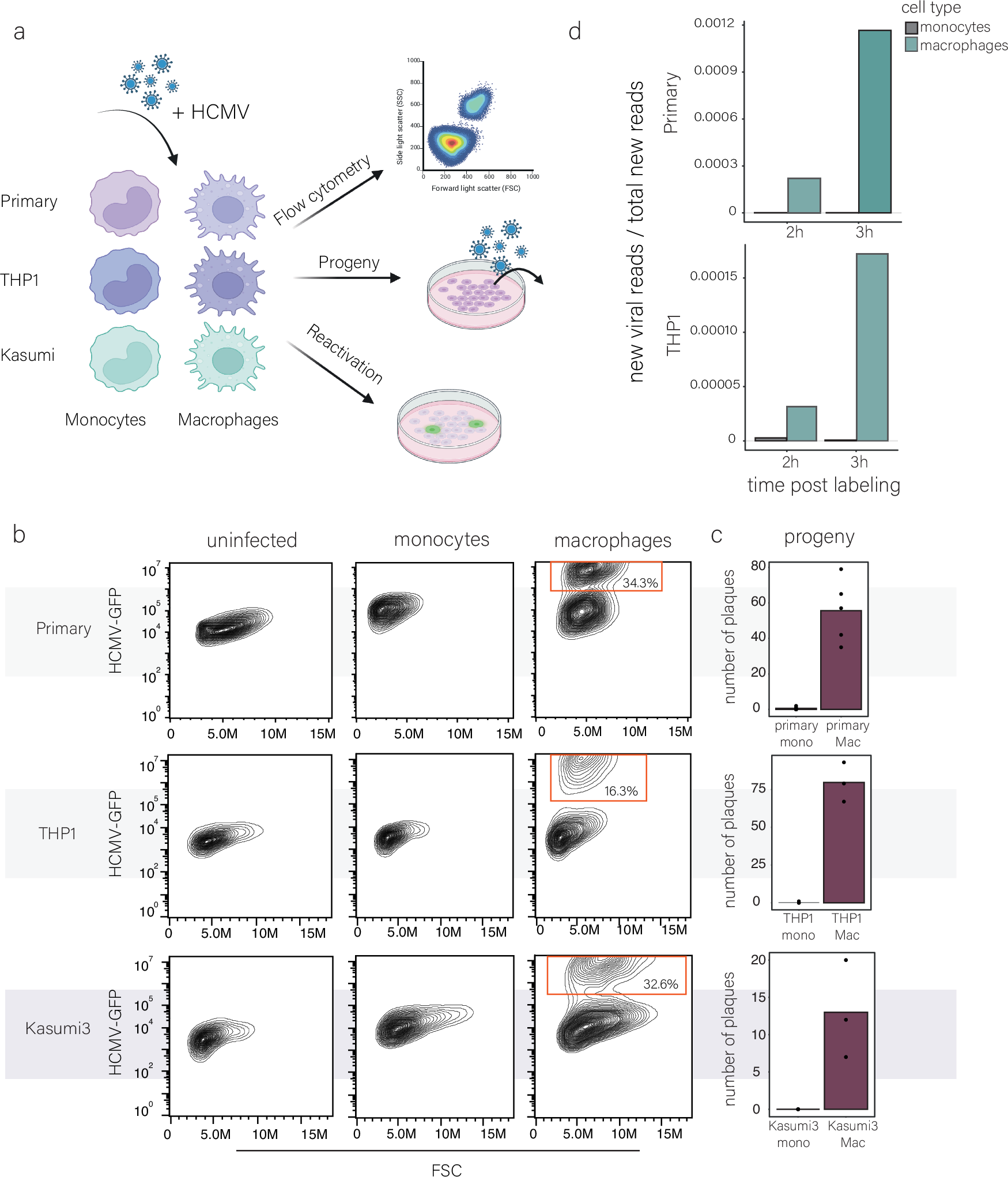
- Adding efficient cytomegalovirus receptors to monocytes by genetic engineering raised the number of virions entering each cell 15-fold on average, and the proportion of actively infected cells rose sharply.
- Human cytomegalovirus can reawaken and cause severe infection when immunity weakens, and it is among the most common infections passed from mother to fetus, occasionally causing developmental delays and hearing loss.
Compiled by The ScientistSomething wrong?How this is made
Why it matters
- capability If the active-or-dormant decision is made at the cell surface, the entry receptor becomes a lever on the outcome of an infection and not only on the chance of acquiring one, at least in engineered human cells.
- constraint Any therapy built on holding cells below their threshold needs a target dose, and the reported fold change in entry does not supply one.
- precedent Thirty years of latency work has hunted for silencing machinery inside the nucleus; this result moves the question to surface receptor biology and to measuring dose one cell at a time.
- exposure On Stern-Ginossar's reading, tissues with high thresholds would carry dormant virus that is hard to detect, so surveys of where herpesviruses sit in the body may be undercounting the reservoir.
The decisive experiment was the one where the team intervened. Correlating receptor abundance with infection outcome would have left the direction of the arrow open. Instead the team engineered efficient cytomegalovirus receptors into monocytes, tracked entry with fluorescently labelled virions, and saw the number of virions per cell rise 15-fold on average while the share of cells running an active infection went up sharply [10][11]. The monocyte's own DNA-packaging machinery was left alone. If compaction were what silences the viral genome in these cells, opening a wider entry route should not have flipped the outcome [6].
The expression survey pointed the same way first. Yaarit Kitsberg, working under Stern-Ginossar and staff scientist Michal Schwartz, profiled gene expression in human monocytes, differentiated them into mature macrophages, then looked for what had changed [7]. "To our surprise, we didn't detect increased expression of the DNA compaction pathway in the monocytes, making it clear that this is not a key factor that determines the outcome of infection," Kitsberg said [8]. What the macrophages did show was extra protein on their surface. Viruses bind such proteins to get in, and Kitsberg said this "led us to wonder for the first time whether the entire fate of the infection might already be determined at the entry gate" [9].
Dose has been a whole-organism idea in virology until now [2]. "It appears that cells in our bodies have a minimum infectious dose required for an active infection to develop, and that this dose varies from one cell type to another," Stern-Ginossar said [12].
What the finding does not give is where the threshold sits. Fifteen-fold is a ratio; the account reports no number of particles a monocyte must take up before it starts replicating the virus [11][16]. The rise in actively infected cells is described as a soaring proportion, without a figure [11]. Stern-Ginossar's own phrasing carries the same caution: he said that infecting a cell below the threshold "results, at least in some cases, in the virus entering a dormant state" [13]. Some cases, in cultured human blood cells, with receptors put there by genetic engineering.
The inference he draws from it is about the rest of the body. "This means that a wide range of tissues in the body may become infected with herpesviruses but, because they have a high infection threshold, they keep the viruses firmly in a dormant, hard-to-detect state," Stern-Ginossar said [14]. That is a hypothesis with a clear test attached, and the test needs the receptor. The team went looking next for which macrophage surface proteins are the virus's main way in, work Weizmann's account presents as yielding a vaccine-relevant target [15][18].
What to watch
- Whether the full Nature Communications paper reports an actual per-cell virion count for the monocyte threshold, rather than a fold change in entry.
- Which macrophage surface protein the team names as the main cytomegalovirus entry point, and whether blocking it pushes entry below threshold in primary cells.
- Whether the same per-cell dose threshold holds outside cultured blood cells, in tissue explants or an animal model.