Leadership1 publisher3 min readPublished
A safety engineer says he briefed Zuckerberg 100 times. The escalation trail is now evidence.
Arturo Bejar's sworn testimony in Oakland turns "we didn't know" into a documentary question, and puts every executive's internal warning record on the exhibit list.
The Board Room · Leadership desk
Drafted by a language model from the sources cited here and checked against its claim ledger before publication. How we use AISend a correction
What happened
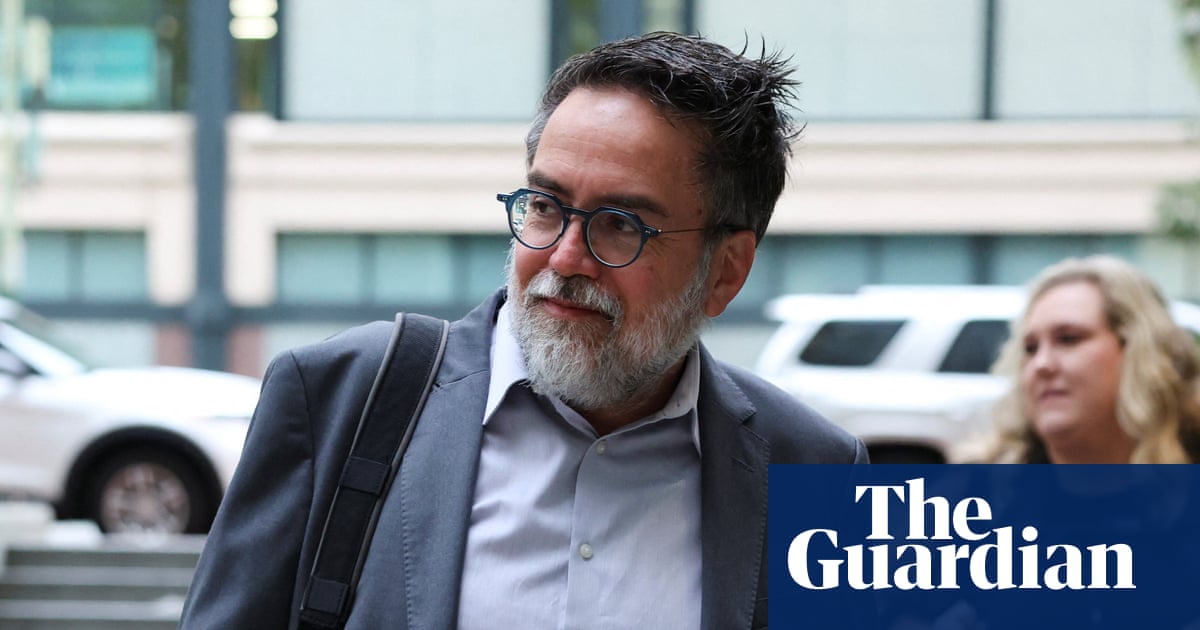
- Arturo Bejar, a former Meta safety engineer, testified on Tuesday and Wednesday during a landmark federal trial against Meta, and was the first witness called to the stand after opening statements on Tuesday.
- Bejar testified that his job often included briefing Meta CEO Mark Zuckerberg on product issues, and he estimated he spoke to the CEO at least 100 times.
- One email Bejar sent to Zuckerberg in 2021 showed the engineer warning of constant reports of harmful content and damage to teenage wellbeing on Facebook and Instagram.
- Bejar said he emailed Zuckerberg after the CEO publicly said the company doesn't prioritize profit over safety.
- Bejar testified: "I felt that he created a false and misleading impression of Facebook's commitment to young people."
Compiled by The Board RoomSomething wrong?How this is made
Why it matters
Arturo Bejar, a former Meta safety engineer, told a federal jury in Oakland on Tuesday and Wednesday that briefing Mark Zuckerberg on product issues was part of his job, and estimated he had spoken to the chief executive at least 100 times [1][2]. He also testified that he emailed Zuckerberg directly in 2021 warning of constant reports of harmful content and damage to teenage wellbeing on Facebook and Instagram, and that no reply came back [3][7].
That is the part every operator should read closely. A claim that leadership was unaware of a harm is only as strong as the internal record, and Bejar's account converts an atmospheric argument about corporate culture into a set of testable artifacts: a named engineer, a count of meetings, a dated email, and an empty reply field. Asked by government counsel whether Zuckerberg ever responded, Bejar answered: "No. I didn't hear back from him" [7].
Bejar characterised Meta's approach to child safety as "don't ask, don't tell" [9], and testified that the company knew its products harmed children, including recommendations that pushed content from sexual predators and violent and graphic images [10]. He said he raised the issue repeatedly with Facebook and Instagram executives who did little to resolve it [8], and that he escalated to Zuckerberg because "in my experience, when Mark makes something a priority, mountains move" [6]. He sent the 2021 email after Zuckerberg publicly said the company does not prioritise profit over safety [4]. "I felt that he created a false and misleading impression of Facebook's commitment to young people," Bejar testified [5].
He is not a peripheral witness. Bejar held senior positions at Meta for about eight years across two stints, left in 2021, has testified before a US Senate committee, and has served as a witness in other cases involving harm to children [20]. On his own figures, at least 100 conversations across roughly eight years averages about one contact with the chief executive per month [23].
The stakes justify the attention to paper. The case was brought by 29 US state attorneys general, who allege Meta deliberately designed addictive products that drew in young people and harmed them [11], and who also claim the company collects data on children under 13 without parental consent in violation of federal and state laws [12]. If Meta is found liable, damages could reach $200bn, an amount equivalent to the company's 2025 annual revenue [13]; the attorneys general are also seeking court-ordered changes to product design [14]. Bejar told the jury that engagement mechanics were commercially useful: "On scroll, the more views you have, the more ads you sell, the more revenue you make" [21].
Meta denies all allegations [15]. Its attorney Paul Schmidt said in opening statements that there was "no dispute" people can struggle with social media but that Meta had built tools to address it, that under-13s are not allowed to register, and that the company had disabled more than 1m such accounts [16].
What to watch: Zuckerberg and Instagram chief Adam Mosseri are among the witnesses still to be called [17], and reams of Meta's internal documents and emails have already been entered as evidence [18]. The trial is expected to run at least six weeks [19]. The narrow question is whether Meta can show that warnings like Bejar's were received, weighed and acted on. The broader one is whether your own escalation log would survive being read aloud to twelve strangers.