Product1 publisher3 min readPublished
A 2027 Pentagon deadline is pulling magnet-grade iron onshore, one ton a day at a time
Hertha Metals says it hit 99.95 percent purity with US-only inputs. That material is about 70 percent of a neodymium magnet by weight, and Chinese-origin constituents are barred from January 1, 2027.
The Product Desk · Product desk
Drafted by a language model from the sources cited here and checked against its claim ledger before publication. How we use AISend a correction
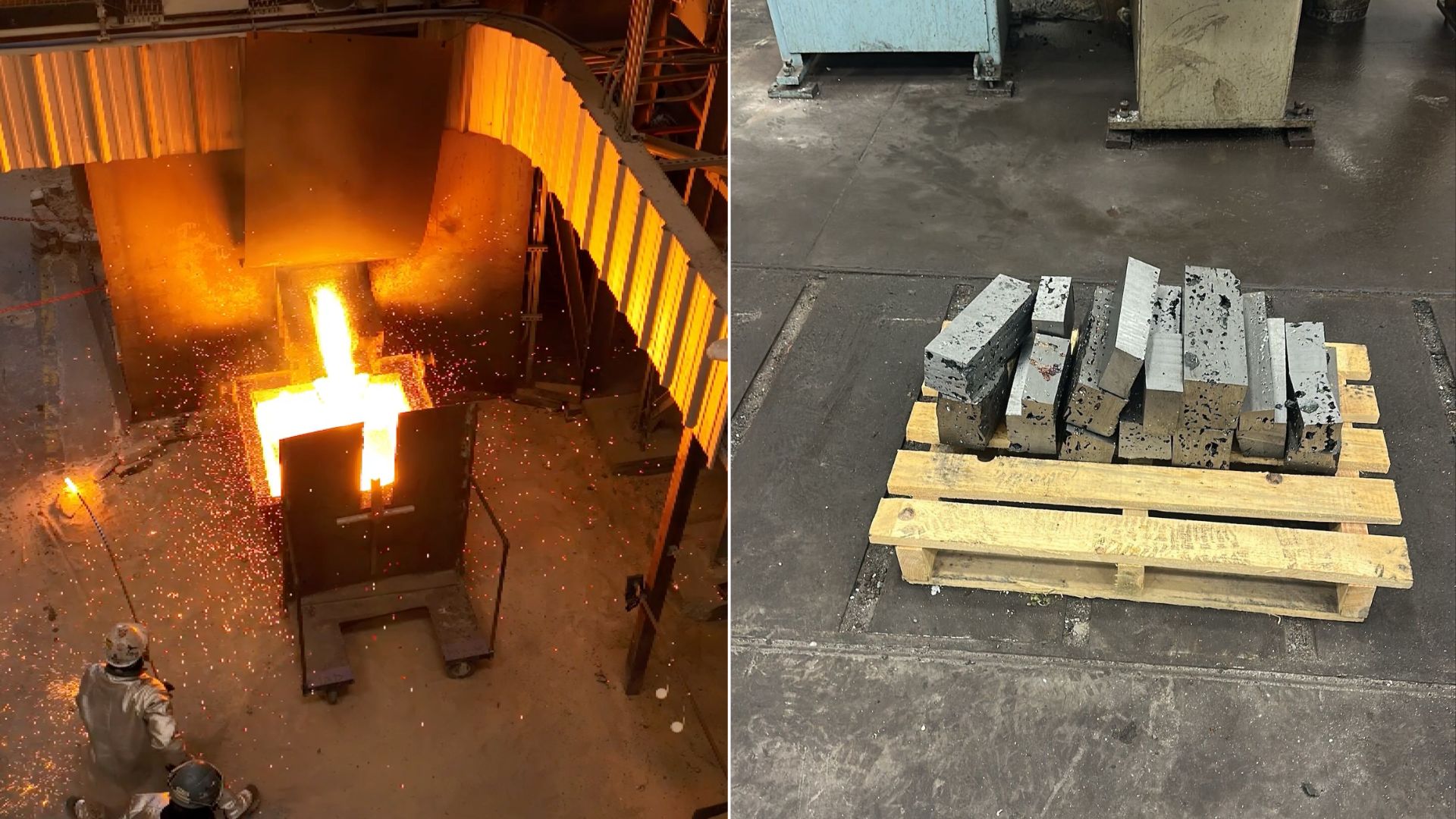
What happened
- Hertha Metals has produced high-purity iron at 99.95 percent (3N5) purity using fully domestic US inputs.
- High-purity iron makes up roughly 70 percent by weight of neodymium magnets used in electric vehicles, wind turbines and defense systems.
- Hertha Metals, a Texas-based startup, is described as the first US company to achieve 3N5 purity domestically, meeting the strict purity standards set by leading rare-earth magnet producers.
- From January 1, 2027, strict Department of Defense mandates will bar Chinese-origin magnets and constituent materials from US defense platforms.
- Defense contractors, EV makers and wind turbine builders are rushing to qualify non-Chinese suppliers before the deadline.
Compiled by The Product DeskSomething wrong?How this is made
Why it matters
Hertha Metals, a Texas startup, says it has produced high-purity iron at 99.95 percent purity, the grade the trade calls 3N5, using fully domestic US inputs [1], and describes itself as the first US company to hit that grade domestically at a level meeting the purity standards set by leading rare-earth magnet producers [3]. The reason this lands rather than passes is a date: from January 1, 2027, Department of Defense mandates will bar Chinese-origin magnets and their constituent materials from US defense platforms [4].
The constituent-materials clause is the hard part. High-purity iron is roughly 70 percent by weight of the neodymium magnets used in electric vehicles, wind turbines and defense systems [2], and the US imports more than 90 percent of its high-purity iron, primarily from China, alongside 25 percent of its finished steel [6]. A magnet assembled outside China from Chinese iron is not a solved problem under that rule. "High-purity iron is one of the least visible materials behind the magnets that power everything from electric vehicles to defense systems, and today almost none of it is made in America," said Laureen Meroueh, Hertha's CEO and founder, framing the result as a pathway to a domestic supply chain rather than a finished one [7].
Qualification is why the timing bites. Defense contractors, EV makers and wind turbine builders are already working to qualify non-Chinese suppliers ahead of the deadline [5], and qualification cycles do not compress on request. Clearing a purity specification is the entry ticket to that process, not the end of it.
The volume math is where the caution sits. Hertha operates a demonstration plant in Conroe, Texas, running one ton per day on commercial-grade equipment [10], which is on the order of 365 tons a year. Its planned commercial facility, Chalyx, is slated to break ground later this year with initial capacity of roughly 9,000 to 10,000 metric tons annually and a long-term target of 500,000 tons [11]. That first commercial step is about 25 to 27 times demonstration output [14], and the long-term target is roughly 50 times the initial commercial line [16]. At 70 percent iron by weight, 9,000 to 10,000 tons of iron corresponds to something like 12,900 to 14,300 tons of finished magnet [15] - real, but a slice of a defense, automotive and wind demand base.
The process claim is the cost argument. Ultra-pure iron normally requires multi-step electrolytic refining; Hertha says it reaches 3N5 in a single continuous pyrometallurgical step with minimal post-processing, stripping oxygen, carbon, nitrogen, phosphorus, sulfur and metallic impurities at once [9]. Its flexible-fuel furnace can take low-purity ores below 60 percent, iron ore fines and millscale waste, which the company says cuts raw material costs [12]. Running on natural gas, it claims 30 percent better energy efficiency than standard steelmaking and at least a 50 percent emissions reduction, with a hydrogen switch requiring no hardware changes and reaching up to 98 percent [13]. The underlying constraint it is aimed at is real: scrap supply is limited and carries impurities that rule it out for advanced steel grades, leaving virgin production dependent on a coal-based process [8].
Watch three things. Whether Chalyx breaks ground on schedule and reaches commercial output before January 2027 [11]. Whether any named magnet producer publicly qualifies the material rather than merely confirming the spec [3]. And whether the 2027 rule is enforced down the bill of materials to iron, or stops at the magnet [4].