Invest1 publisher3 min readPublished
Unions lead $7.8 million campaign to defend a tax that starts collecting in 2029
Three unions supplied about $6 million of the $7.8 million raised to defend Washington's 9.9% levy on household income above $1 million, six times what the repeal campaign has, for revenue the state starts billing in 2029.
The Investor · Invest desk
What happened
- The Washington Education Association put in another $2 million last week, lifting its total to $3 million and making the teachers union the largest single donor in the fight over Initiative 645.
- The No on 645 campaign has raised $7.8 million, against $1.3 million for the Vote Yes Repeal the Income Tax committee backing the measure.
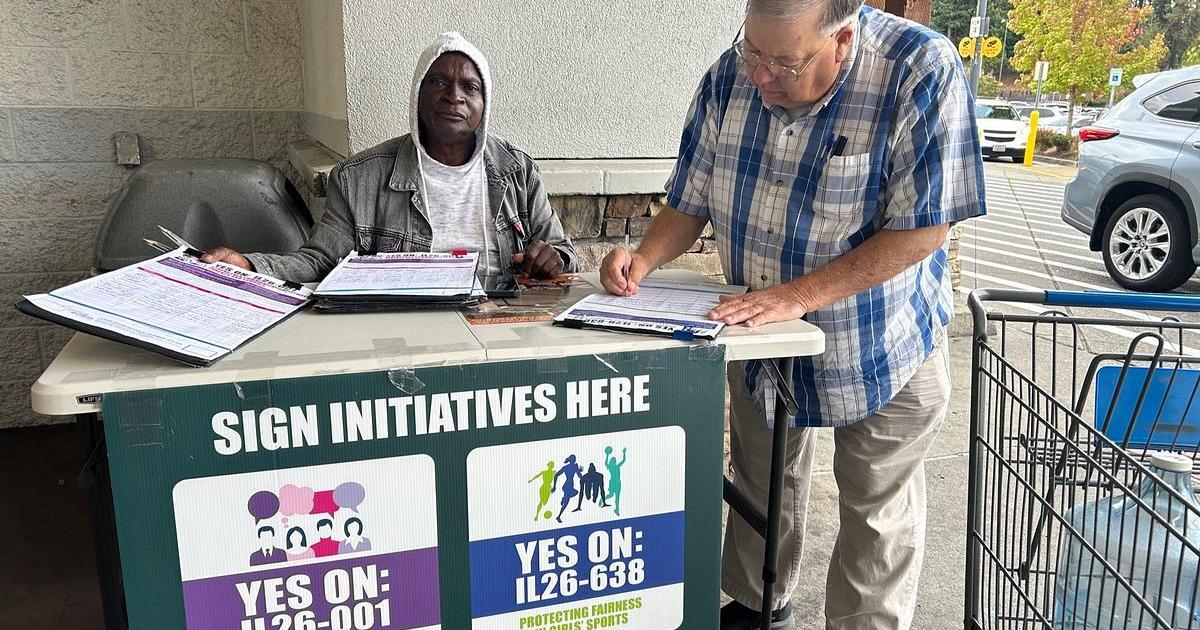
- Let's Go Washington, which ran the signature drive that qualified I-645, has raised $3.7 million more, part of it for separate initiatives on transgender athletes and parental rights.
- Collections begin in 2029, and not at all if voters approve the repeal in November.
Compiled by The InvestorSomething wrong?How this is made
Why it matters
- cost The teachers union's $3 million comes out of dues, so members are financing this year's television campaign from their own paychecks to protect money the state first bills in 2029.
- exposure An estimated 25,000 households carry the whole projection, so the newest line in Washington's operating budget will move with a few thousand tax returns.
- decision SEIU 775 is at the table with the state on caregiver wages while funding the tax defense, and a yes vote in November removes the revenue those talks assume.
- precedent Other states drafting high-earner taxes now have a working template in which the payroll that spends the revenue funds the political defense: three unions supplied 77% of it.
Whether this is a rout depends on which committees you count. Let's Go Washington's $3.7 million sits on the repeal side, and adding it to the Vote Yes committee's money puts repeal at $5 million against $7.8 million, or about 1.6 to 1 [4][2]. Leave it out, on the grounds that part of that money is aimed at ballot measures on transgender athletes and parental rights, and the defenders lead six to one [4][1].
Set either figure against what the tax collects and both shrink. A 9.9% levy on household earnings above $1 million projected at more than $3 billion a year makes the $7.8 million defense 0.26% of one year's receipts [5][2][3]. Three unions put up most of it: $3 million from the teachers, nearly $2 million from SEIU, $1 million from the state employees union. That is about $6 million of the $7.8 million, or 77% [1][8][4].
The base is thin. Divide the projection by the payers and each of the 25,000 households averages about $120,000 [7][5]. At 9.9% on income above the first million, that average payer reports roughly $2.2 million of household income [6]. Five percent of the proceeds is earmarked for childcare and early learning subsidies, about $150 million a year at the projected level [7][7].
Nobody has paid yet. Collections start in 2029, about three years after the November vote, and they do not start at all if I-645 passes [6][8]. So the unions are spending 2026 dues on a 2029 receipt while the governor tells them there is no money for raises next year, a position the Washington Federation of State Employees answered with walk-offs [9][12]. Mike Yestramski, the federation's president, said saving the income tax will help fix the state's regressive tax code and prevent "austerity cuts" to state services [13].
"We are super-conscious that every penny we spend comes straight from our members' pockets," said Tani Lindquist, vice president of the teachers union [10]. Steve Gordon, the retired Pierce County trucking company owner who chairs the yes campaign, said, "It's a self-sustaining money machine for the interests that are funding it" [11]. Adam Glickman, secretary-treasurer of SEIU 775, said union caregivers making $22 an hour pay 16% or more of their income in taxes while the richest Washingtonians pay 3%. He put that down to the state's reliance on sales taxes [14].
The filings measure which side has payroll attached to the result: dues from members whose wages come out of the general fund, against checks from the people who would owe the bill [9][18]. I'd expect that side to out-raise the payers wherever a state tries this. They say nothing about how people will vote. The business owners and firms funding repeal are writing their own money, and they can write it late. If I-645 passes in November despite a six-to-one gap, the money was never the signal, and the state loses a projected $3 billion a year [18][5][6].
What to watch
- Repeal donors' next filings, and whether individual business owners and firms narrow the funding gap before the vote.
- SEIU 775's wage settlement with the state, which would show what the tax defense bought its members.
- Published polling on I-645, absent from the Seattle Times account of the money.