Invest1 publisher2 min readPublished
Starling's SVB review says private messages, mobile banking accelerated-but didn't cause-2023 run
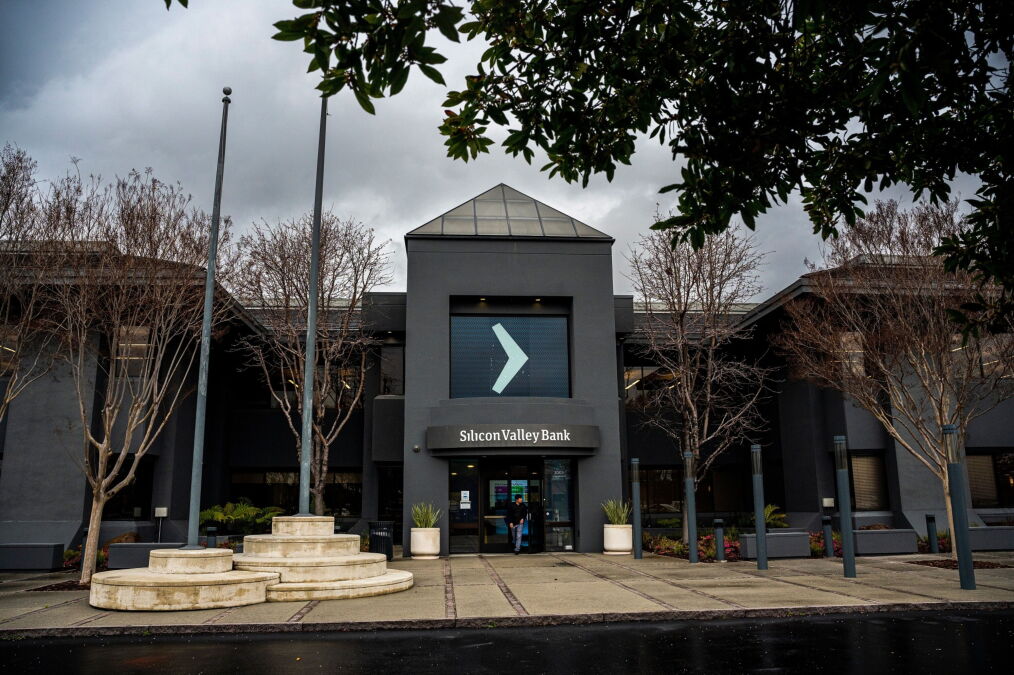
The first report from the Fed's outside review of its own Silicon Valley Bank supervision backs most of what three earlier audits found, but clears the social media posts blamed in 2023 of creating the condition depositors ran from.
The Investor · Invest desk
What happened
- Starling Trust Science released the preliminary report of the Federal Reserve's external review of its SVB supervision on Monday, testing which conclusions of three existing government reviews it could substantiate.
- Most of what the Barr report, the Fed's inspector general and the Government Accountability Office flagged was confirmed, with two key exceptions.
- The report refutes the claim that social media posts fueled the bank run that took down Silicon Valley Bank on March 10, 2023.
- Analysis by Charles River Associates found most online discussion of the bank's troubles came after its failure was imminent, with no clear link between that discourse and the speed of withdrawals.
Compiled by The InvestorSomething wrong?How this is made
Why it matters
- constraint Anyone drafting a deposit-run rule against public posts now has to justify it against a record that puts the coordination in private inboxes, and the report sets the evidentiary test that justification would have to pass.
- decision The Fed's current supervisors have to pick what examiner tooling gets built: platform monitoring, or visibility into depositor concentration and the mobile rails that execute the withdrawals.
- contradiction Two Fed-connected documents now give different causes for the same withdrawals, so a bank or a legislator citing the 2023 report has to deal with the review the Fed itself commissioned.
- precedent A private firm overruling the Fed's account of its own supervision sets up the remaining installments to be read as an audit of the Barr report as much as of the bank.
The part of this report that can change how banks are examined is a demand for a definition. "Before 'social-media risk' can form a coherent object of supervision or regulation, policymakers must therefore specify which of these mechanisms they mean. They must distinguish the creation of concern from its communication; private coordination from public amplification; and the dissemination of information from the technological execution of withdrawals," the report said [10]. It also told policymakers they "must also identify what evidence would demonstrate that a particular channel triggered, accelerated, or enlarged a run. The Barr Report does none of this" [11].
In Starling's account of March 2023, depositors traded messages through private channels, text and email, as the visible signs of distress mounted: a failed capital raise, and the sale of securities the bank had designated to be held to maturity [6]. "Those mechanisms may have accelerated the transmission of information and the movement of funds, but they did not create the financial condition to which depositors reacted," the report said [7]. Starling's is the fourth official account of the same failure, and the first written outside government [15].
The two accounts send an examiner to different data. Work from the 2023 framing and you monitor public platforms. Work from Starling's version and you are looking at private communications channels and mobile banking platforms [9]. Those channels sit outside any public feed. The report does not identify any supervisory rule or program that was built on the social-media finding [17].
The second rejection is the one with names attached. Starling declines to substantiate the finding that regulatory and supervisory policy changes drove the Fed's supervisory failings [12]. The Fed's 2023 report pointed to changes in supervisory preferences, a conclusion widely understood as a reference to top-down directives from former Vice Chair for Supervision Randal Quarles [13].
The counter-argument is real. A supervisor cannot read a venture fund's group chat, and public discourse may be the only proxy anyone can actually examine against, in which case a crude rule beats a precise one nobody can test. I would still want policymakers to name the mechanism they mean, because a rule aimed at posts does not reach the private coordination the report describes [6]. Two things would move me: the final report restoring either finding, or the Charles River timing analysis turning out to rest on a window that opens after the deposit flight was already running [5]. American Banker notes that researchers from Yale University and the Federal Reserve Bank of Chicago questioned social media's role last year [14].
What to watch
- Whether Starling's final report keeps both rejections or restores the social media and supervisory-change findings.
- Whether the Fed's current supervision leadership requires examiner guidance on deposit runs to specify which mechanism is at issue.
- Whether the Charles River Associates analysis is published with its data and its time windows.