Science1 publisher2 min readPublished
Stroke drives glioma growth by remodeling two brain-cell populations in mouse and human models
Baylor researchers report in Nature Cancer that stroke speeds glioma growth in mouse and human models by remodeling two brain-cell populations. Reversing the change in those cells slowed the tumors and pointed to SLC4A4 and CCL2 as targets.
The Scientist · Science desk
What happened
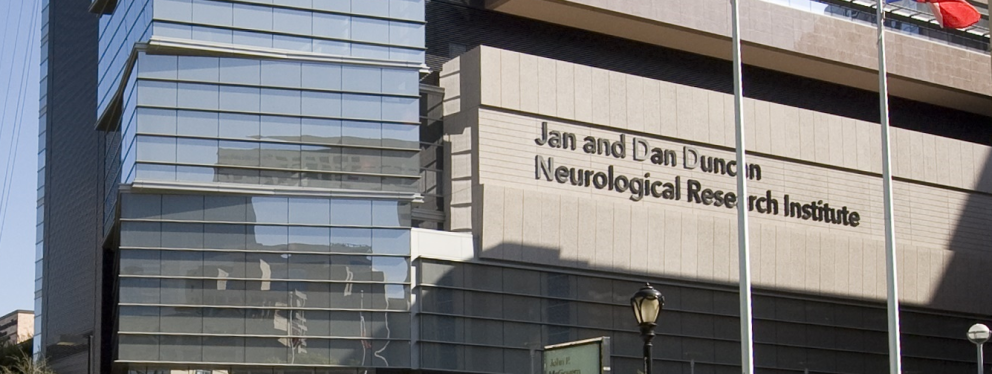
- A team at Texas Children's Duncan NRI and Baylor College of Medicine found that stroke promotes glioma growth in mouse and human models, linking brain injury to malignant brain tumors.
- Restoring calcium signaling in those astrocytes, or depleting the macrophages, suppressed stroke-induced glioma progression in the models.
- Earlier cohort studies and case reports had linked a history of stroke or brain injury to higher brain-tumor risk, which the lead author put at roughly three- to seven-fold.
Compiled by The ScientistSomething wrong?How this is made
Why it matters
- capability The study hands drug developers two specific molecular targets, SLC4A4 and CCL2, in the cells around the tumor, where much glioma work has focused on the tumor's own mutations.
- exposure If the human link holds, stroke and brain-injury survivors become a defined population that could be watched for glioma or treated to blunt the injury response.
- constraint The causal step was shown in mouse and human models; the human data remain a correlation, so this does not show that treating stroke prevents cancer in people.
The clinical hint came first, and on its own it is only a correlation. Lee's group, writing in Nature Cancer, points to cohort studies and case reports in which ischemic stroke and brain tumors, including glioma, turn up in the same patients [4][7]. Lee said a history of stroke or traumatic brain injury raises the risk, and that "the risk can be about three-fold to seven-fold, depending on the age and sex of the patient" [8]. Why the two are linked was unknown. "Despite these clinical observations, the mechanism that connects brain injury and cancer remains unclear," Lee said [9].
In the models, the change happens in the cells that surround the tumor. After a stroke, a distinct set of tumor-associated astrocytes appeared with reduced calcium activity, and the tissue filled with tumor-associated microglia and macrophages [2]. Earlier glioma research has mostly catalogued mutations inside the tumor cells themselves [7]. "Mechanistically, we identified SLC4A4 as a key regulator of Ca2+ activity in TAAs and CCL2-mediated TAM recruitment," the authors reported [11].
The intervention is what separates this from the earlier correlations. Restoring the astrocytes' calcium signaling, or depleting the macrophages, suppressed stroke-induced glioma progression [3]. Each step altered one mechanism, and the tumor slowed.
The work is in mouse and human models, and SLC4A4 and CCL2 give a drug developer two specific targets [11]. The account did not report effect sizes for how much faster the tumors grew or how strongly each intervention slowed them.
Lee keeps the human claim modest. "Our study supports that brain injury can be a risk factor for brain cancer," he said [15]. On the cost in the models he was blunt: "We show that stroke promoted tumor infiltration into injured brain regions in human and mouse glioma models, and reduced overall survival" [13]. Glioblastoma is the most common and most aggressive malignant brain tumor in adults, with what the authors call a "notably dismal 5-year survival rate" [6].
What to watch
- Whether the same TAA and TAM pathways show up in tumor samples from human stroke survivors, beyond the models used here.
- Whether blocking SLC4A4 or CCL2 slows glioma growth or lowers risk in a clinical setting.
- Whether the three- to seven-fold epidemiological association holds up in larger prospective cohorts.