Science1 publisher2 min readPublished Updated
A Cheshire garden questionnaire found 38% willing to add another wildlife feature
Chester Zoo and Nottingham Trent researchers put ten wildlife features to more than 230 householders in Cheshire and North Wales, and the lead author now argues the job belongs in planning policy.
The Scientist · Science desk
What happened
- Chester Zoo and Nottingham Trent University scientists asked more than 230 householders in Cheshire and North Wales about garden wildlife features, and 38% were willing or able to add more of them.
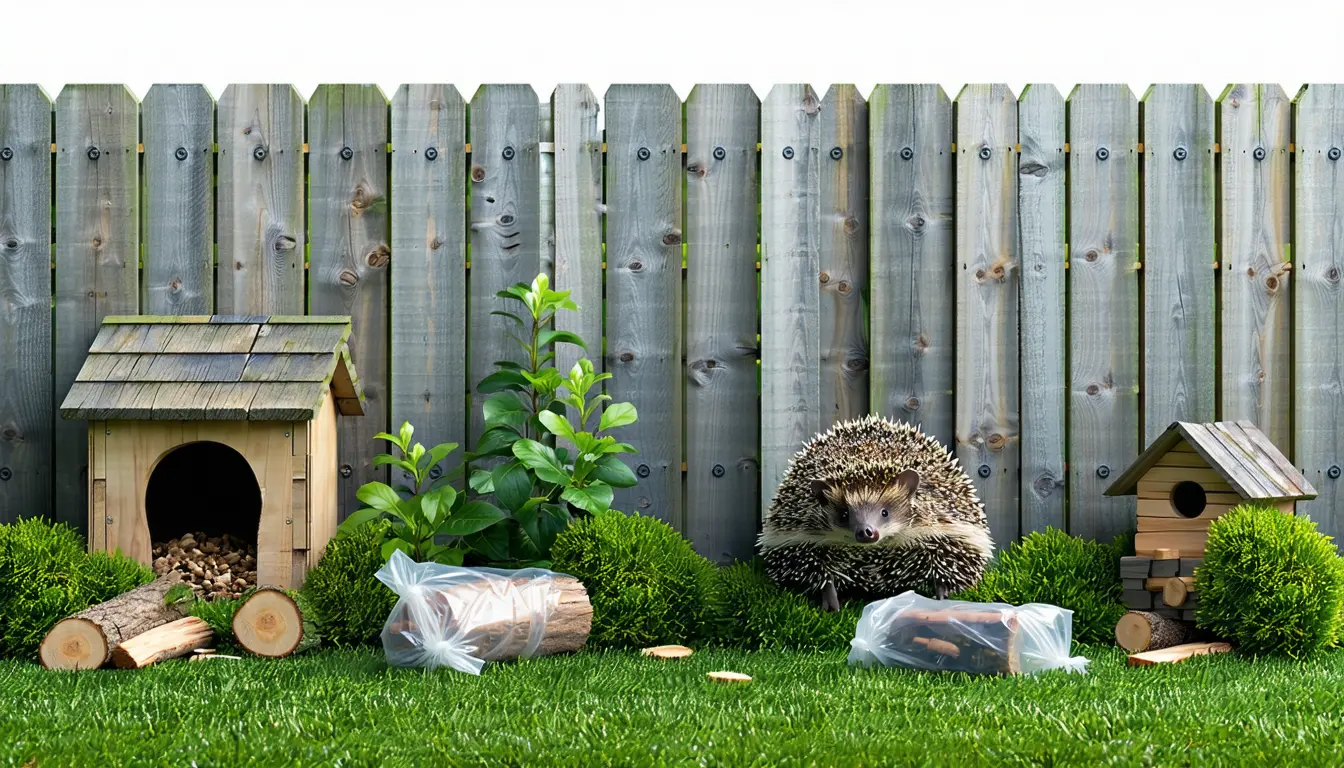
- The questionnaire named ten features, among them ponds, overgrown areas, hedgehog highways, log piles and compost heaps, and asked how likely each respondent was to add them to what the garden already had.
- The barriers reported most often were a lack of space, concerns about pets, and worries about how to build or maintain a feature.
- Compost heaps and ponds were the features people were least likely to adopt, and sowing wildflowers was the one respondents most often said they were willing to do.
- The paper appeared in People and Nature, with Kelly Hitchcock of Nottingham Trent University as lead author.
Compiled by The ScientistSomething wrong?How this is made
Why it matters
- constraint Campaigns can address motivation and they can teach pond maintenance, but they cannot enlarge a plot, so a biodiversity target that depends on householders opting in inherits whatever the housing stock allows.
- decision Anyone planning a garden-scheme rollout now has a measured refusal rate to budget against, and the two-thirds who said no have to be covered by something other than persuasion.
- precedent Chester Zoo is steering householders who cannot dig a pond toward community habitat-linking work. The unit those conservation programmes are designed around is the neighbourhood, not the plot.
Most garden-biodiversity research measures the feature: whether a pond brings amphibians, whether a log pile holds beetles. The phys.org account of this paper calls it a rare attempt to ask whether householders are installing the features at all, and why they are not [15].
Respondents rated ten named features for how likely they were to add them, on top of whatever the garden already held [3]. The reasons for reluctance were then sorted into capability, opportunity and motivation [4]. Those three have different remedies: promotion can move motivation, but a small plot is fixed for whoever lives on it.
The sample is modest in absolute terms. Thirty-eight percent of 230 respondents is about 87 people saying yes and about 143 saying no or not able, which is 62% [16][17].
Kelly Hitchcock, a PhD student in Nottingham Trent's School of Animal, Rural and Environmental Sciences and one of Chester Zoo's Conservation Scholars [14], said the refusals came from people who were otherwise sympathetic. "It was quite surprising how many people weren't, even when they were pro-nature," she said [8].
Her reading goes past uptake. "The data suggest we can't rely on individuals to make wildlife-friendly changes at the scale needed. These features need to be built into urban planning and policy," Hitchcock said [9].
That conclusion holds if space is what actually binds, and the space finding here is self-reported. Hitchcock offered the housing explanation as a possibility, saying that "current trends toward hyper-dense housing may be contributing to this" [10]. This study asked people what they would do. A study pairing measured garden area with the features actually present would test it directly.
The estimate that 88% of UK residents have access to a garden is national [7], while the willingness figure comes from two regions [1], so multiplying the two would assume Cheshire and North Wales stand in for the country. The study did not go back afterwards to count ponds, so it did not measure the gap between a stated "likely" and a dug hole.
Leah Williams, Chester Zoo's lead conservation scientist and a coauthor, said multilevel policy changes were needed to tackle urban biodiversity loss, which also has physical and mental health implications for humans [11]. She still wants the window-box version. "We'd still encourage people to do what they can, whether that's planting wild native flowers in a window box or creating a mini-pond in a bucket. Both will make a difference," Williams said [12].
What to watch
- A repeat of the questionnaire outside Cheshire and North Wales would show whether the 38% is a regional figure.
- Any Cheshire local plan that writes garden wildlife features into planning conditions instead of guidance.
- Published habitat-connectivity results from the Networks for Nature project in Cheshire.