Invest1 publisher3 min readPublished
Netflix Is Paying For YouTube Content It Cannot Take Off YouTube
Non-exclusive licensing deals with Ms. Rachel, Mark Rober and the Sidemen invert the exclusivity playbook. The buyer is renting proven audience, not locking it up.
The Investor · Invest desk
Drafted by a language model from the sources cited here and checked against its claim ledger before publication. How we use AISend a correction
What happened
- Netflix is signing non-exclusive licensing deals with popular YouTube creators including Ms. Rachel and Mark Rober, letting them keep their channels while also appearing on Netflix.
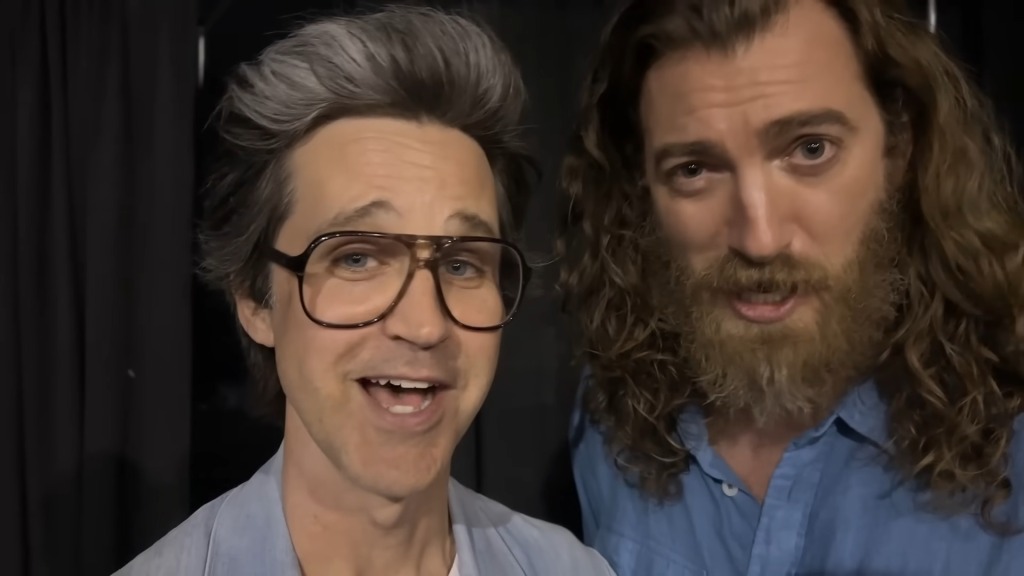
- YouTube creators who have signed deals with Netflix include Ms. Rachel, Mark Rober, the Sidemen, Rhett & Link, Jordan Matter and Nick DiGiovanni.
- Ms. Rachel, whose toddler-focused videos are a parenting staple, has been part of Netflix's offerings since early 2025.
- The Stokes Twins announced their Netflix deal in July 2026, giving Netflix access to their video archives, with nothing pulled from YouTube; their existing content stays on YouTube and Netflix gets a second window to stream it.
- Netflix's mid-2026 "What We Watched" report says Ms. Rachel's videos received 126 million views on Netflix during a single reporting period, while her YouTube channel continued streaming the same content.
Compiled by The InvestorSomething wrong?How this is made
Why it matters
Netflix has been signing non-exclusive licensing deals with large YouTube channels, paying to put their catalogues on its service while the same videos keep running on YouTube [1]. That is the inverse of the assumed fight: the platform with the creators is not buying lockups, and the platform without them is writing the cheques [8].
The roster is the bankable middle of YouTube rather than the fringe: Ms. Rachel, Mark Rober, the Sidemen, Rhett & Link, Jordan Matter and Nick DiGiovanni [2]. Ms. Rachel's content has been on Netflix since early 2025 [3]. Rober is the former NASA engineer who built a channel on science stunts [12]. The Stokes Twins announced their deal in July 2026, giving Netflix access to their archives, with nothing removed from YouTube [4].
The number Netflix is pointing to is 126 million views for Ms. Rachel's videos on the service in a single reporting period of its mid-2026 "What We Watched" report, while the same content continued to run on her own channel [5]. The report also describes strong engagement for family-oriented creator titles generally [6]. That is roughly eighteen months between her arrival and that disclosure, so the figure is a cumulative-window result rather than a launch spike [15].
Read the economics from the seller's side and the appeal is obvious. The creator keeps YouTube ad revenue, sponsorships and merchandise, adds a licensing fee, and gets Netflix promotion that may push viewers back to the channel [9]. Nothing is given up. Compare that with the era the streaming business just left, when exclusivity was the whole strategy: Netflix pulled its content from rivals, Disney built Disney+ to reclaim its own library, and the industry spent billions making catalogues unavailable elsewhere [10]. The structure now on offer for creator content looks more like music licensing, where one recording sits on Spotify, Apple Music and a film soundtrack at once, while conventional Hollywood talent deals still turn on exclusive windows [11].
Why does the incumbent tolerate this? Because it does not have to fight. YouTube still dominates long-form viewing in most markets, and the source argues its position has not been meaningfully threatened by Netflix's licensing, which is why it has not countered with exclusivity offers of its own [7]. Renting out a second window costs YouTube very little when the first window is still the default.
Two caveats, and they matter. This is one aggregated article, published by cryptobriefing.com and credited to CNET [14]. And it argues against its own headline, which says YouTube is countering with millions while the body says YouTube has felt no need to counter at all [13][7]. No deal value is disclosed anywhere in it, for any creator [16]. Without a fee, "non-exclusive" is a structure, not a price, and the interesting question is what a second window is worth per view.
What to watch: whether Netflix discloses spend or per-title economics rather than view counts; whether any creator deal shifts to exclusive or windowed terms, which would signal the licence fee has grown large enough to buy behaviour; and whether YouTube starts paying to keep archives in place, the move its own coverage already implies but the reporting does not show.