Product1 publisher3 min readPublished
Meta's adults-only Muse agent leans on a mascot a child advocate compares to a Teletubby
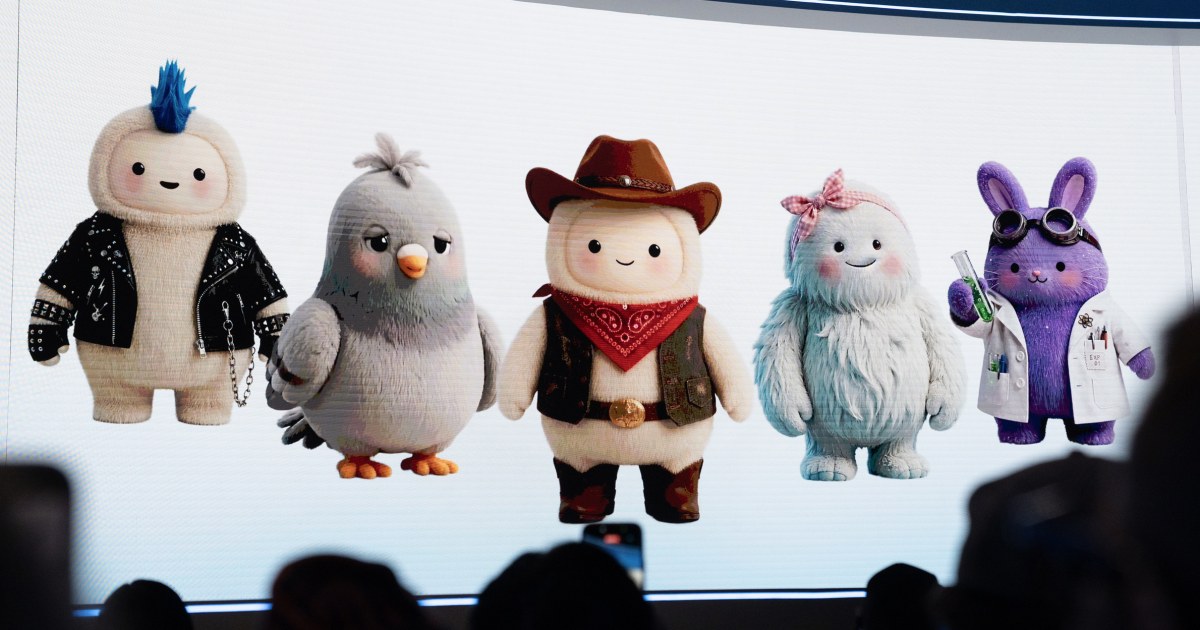
Meta limits its Muse AI agent to users 18 and over while selling it through Jolly, a dress-up mascot, and a planned Tamagotchi-style device. Fairplay says the character appeals to preschoolers, and Meta answers with extra age checks it has not described.
The Product Desk · Product desk
What happened
- Meta restricts Muse, its AI agent that completes digital tasks for users, to people aged 18 and over.
- Muse is fronted by Jolly, a cuddly mascot users can dress like a doll; Mark Zuckerberg's wore a toga and laurel wreath at Meta Connect.
- Meta plans to sell a Tamagotchi-style device for users' Muse characters later this year.
- In August Meta settled social media addiction claims, agreeing to add teen restrictions on Instagram and Facebook and to pay up to $16.7 billion.
Compiled by The Product DeskSomething wrong?How this is made
Why it matters
- exposure Meta trains its models on Muse interactions unless a user opts out, so any under-18 who gets past the gate would be feeding that training by default.
- constraint The planned device takes Jolly off an app with an age gate and into a toy format, so Meta's safeguards will have to cover a physical object as well as an account.
- precedent Advocates pressing on Muse can point to the teen restrictions Meta accepted in August as a standard it has already agreed to on its other apps.
The first thing Muse asks a new user for is a date of birth. Meta says the typed birthday is only the first step. "We require everyone using the Muse app to provide their date of birth, we block people we detect may be under 18 from creating an account, and we do additional checks to help ensure people who say they're adults are actually over 18," spokesperson Daniel Roberts told WIRED [5]. He opened that response by calling the piece "a story in search of a story" [6].
Here is what the product team tells itself users want. Mona Sarantakos, vice president of product management at Meta Superintelligence Labs, co-wrote a launch post describing a design that leans into "delightful" elements and should feel less awkward than chatting with "a corporate logo or entity" [13]. Julian De Freitas, an associate professor of marketing at Harvard who studies AI companions, put the case in terms of trust. "These types of cute factors can make the product seem warm and less threatening," he said. "There's a high bar that they have to overcome here, because attitudes toward Meta are quite negative after the social addiction rulings" [11].
Here is what people actually do with it, as far as the reporting shows. Muse climbed to the top of the app charts on its ability to complete digital tasks [4]. Meta's chief AI officer, Alexandr Wang, posted nonstop memes of Jolly, some in suggestive situations [9]. WIRED's reporter, a 32-year-old man in San Francisco, wrote that the character draws him in as well [16].
The sources split on how far down the age range the appeal goes. "Oh my God, it looks like a Teletubby," said Josh Golin, an executive director at Fairplay, a nonprofit that previously lobbied against Meta's targeting of children. "People who study children's media understand that those rounded shapes particularly appeal to kids in the preschool age," he said [7]. Other specialists WIRED interviewed were less convinced the design was aimed at children and compared it to Japan's long history of marketing technology with adorable characters [8]. Meta did not say what its additional checks are or how many under-18s they have stopped [5].
For a team shipping an adults-only product with a friendly face, I'd put two measures on one grid before launch. One axis is appeal outside the permitted audience, measured in testing with under-18s and in the weekly count of sign-ups the gate blocks. The other is how the gate works, with a birth date the user types at one end and checks that confirm age at the other. Meta says Muse sits past the typed end [5]. High appeal to minors behind a self-typed gate is the square to leave, and there are two ways out. Changing the character gives up the warmth De Freitas describes with an audience that distrusts the company [11]. Adding verification puts an extra step in front of every adult who signs up.
What to watch
- Meta describing its 'additional checks' for Muse, or publishing how many under-18 sign-ups it has blocked.
- Whether the Tamagotchi-style device ships with its own age check or works only through an adult Muse account.
- Any complaint by Fairplay or other youth advocates to a regulator over the Jolly mascot.