Product1 publisher2 min readPublished
Gemini takes over as the default voice layer for Android Auto users everywhere
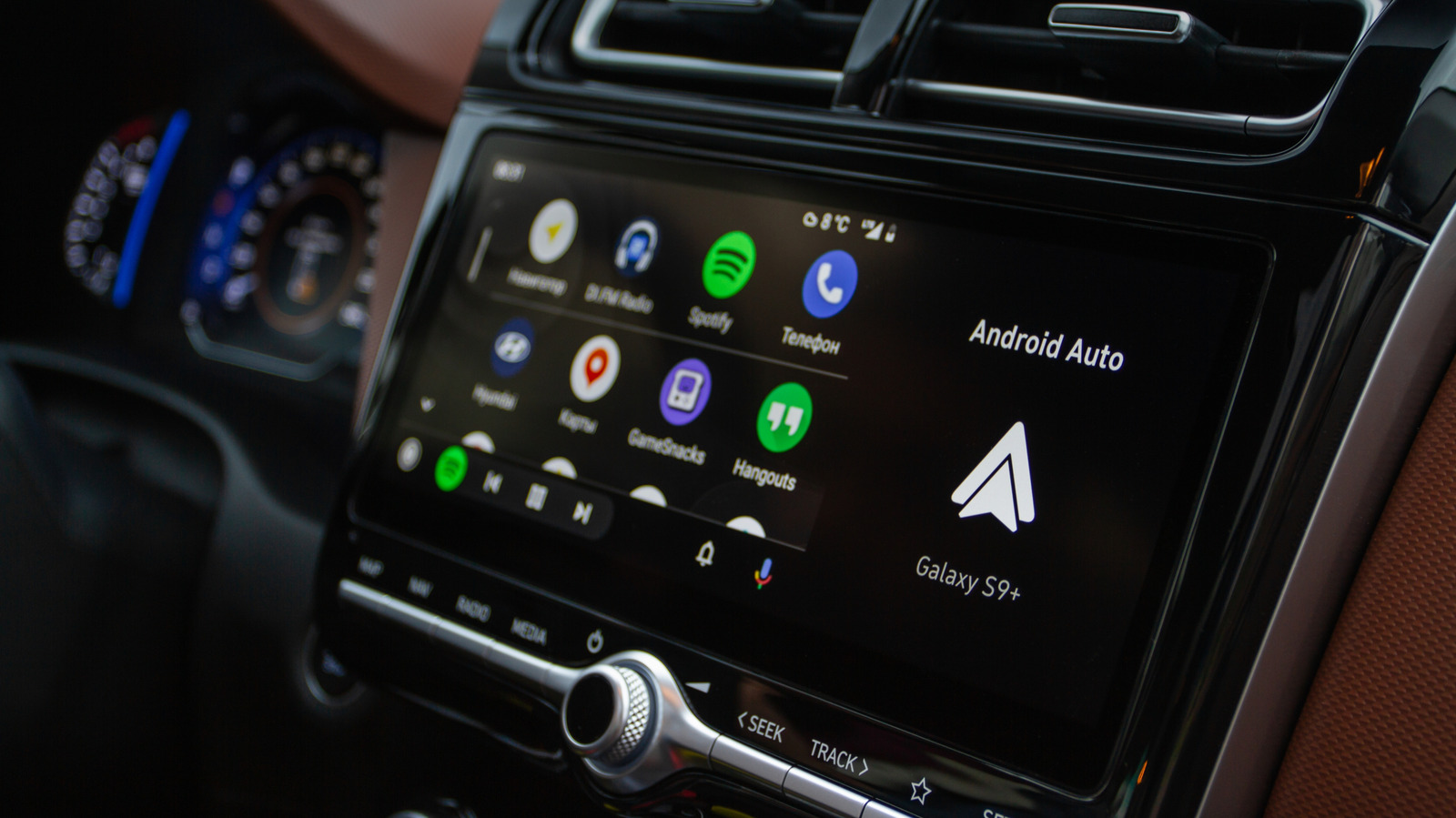
Engadget reports the swap from Google's regular assistant is rolling out to Android Auto users everywhere. Drivers who never opened the setting now get a handler that infers intent instead of matching a memorised phrase.
The Product Desk · Product desk
What happened
- Engadget reports that Gemini is rolling out to Android Auto users everywhere, taking over from Google's regular assistant as the layer that handles what a driver says.
- Gemini has been available as an option in Android Auto for quite a while, and drivers who have not switched on their own can still make the change themselves.
- In Engadget's account Gemini keeps context across follow-up questions, so a driver can ask about parking or reviews without naming the restaurant a second time.
- Gemini can summarise a pile of notifications instead of reading each aloud, draft replies, add the driver's ETA, and translate messages into over 40 languages.
Compiled by The Product DeskSomething wrong?How this is made
Why it matters
- constraint A documented trigger phrase stops being the contract. Instructions that tell a user to say one exact string are now aimed at a handler that infers intent from whatever the driver actually says.
- decision Product teams have to place each in-car request on one side of a line: answers Gemini can already assemble from Gmail, Calendar and notes, and answers only their own data holds.
- exposure Drivers who never touched the assistant setting get a different voice layer anyway, and the tickets they file land with whoever ships the app they were talking to in the car.
- capability Discovery for music stops depending on the user recalling a title, since a vague request routes to whichever service the driver already uses.
A driver forty minutes past the last exit asks about parking at the taco place, having already forgotten the name of the taco place. Engadget's account says that now works: Gemini holds context across follow-up questions, so the second question does not have to repeat the first [5].
The change is in what a person has to remember, and it is the part voice documentation usually gets wrong. Teams write the car experience as a command list, one exact string per outcome. Drivers trail off and correct themselves mid-sentence. Engadget describes music requests as loose as "play something upbeat", with Gemini pulling the driver's usual music service and starting the song [7].
The rollout matters more than the feature list. Gemini has been switchable in Android Auto for a while [2], so the drivers who wanted it already have it. The group affected now is the one that never opened the setting. Those drivers will say the phrase that used to work [1].
The path to that setting runs six named steps: Settings, Connected devices, Android Auto, Manage your digital assistant, Digital assistants from Google, then Gemini [3][10]. Engadget presents it as the way to move to Gemini early. There is no rollout date. The piece carries no statement from Google and no usage data, and everything it lists Gemini doing sits on Google's own surfaces: messages, music, Gmail, Calendar and note-taking apps [6][8][11].
Two axes sort the work for anyone shipping a voice path into a car. One is whether you taught the driver a fixed phrase. The other is whether the answer lives in your data or in Google's. A dispatch status or a route exception lives in yours. Message translation into more than 40 languages and the day's schedule read back from Calendar are answers the assistant produces without opening anything [6][8].
I would not treat longer in-car conversations as evidence of value. For a car the measure is whether the driver got the thing they asked for on the first ask, and Engadget's piece stops at capability.
The painful quadrant is fixed phrase plus Google's data, where the memorised command stops being the trigger and the request gets satisfied before your app is involved [4]. Fixed phrase plus your own data is cheaper to repair, because the destination is unchanged and only the instruction needs rewriting, from a string the driver recites to an outcome the driver describes. Drivers who never chose Gemini will file tickets saying the car stopped understanding a command [1].
What to watch
- Whether Google opens the Gemini handler to third-party intents or keeps the answers on its own surfaces.
- Support threads from drivers reporting that a command they used for years stopped working after the swap.
- Whether Google puts a date and a market list on the Android Auto rollout.