Invest1 publisher2 min readPublished
Lululemon's highest-margin product fell 20% in the quarter before O'Neill took over
Leggings are about a third of Lululemon's $11 billion in revenue and its best margin, so a 20% quarterly drop accounts for more than half of the 12% North American comparable-sales decline Heidi O'Neill inherited on Tuesday.
The Investor · Invest desk
What happened
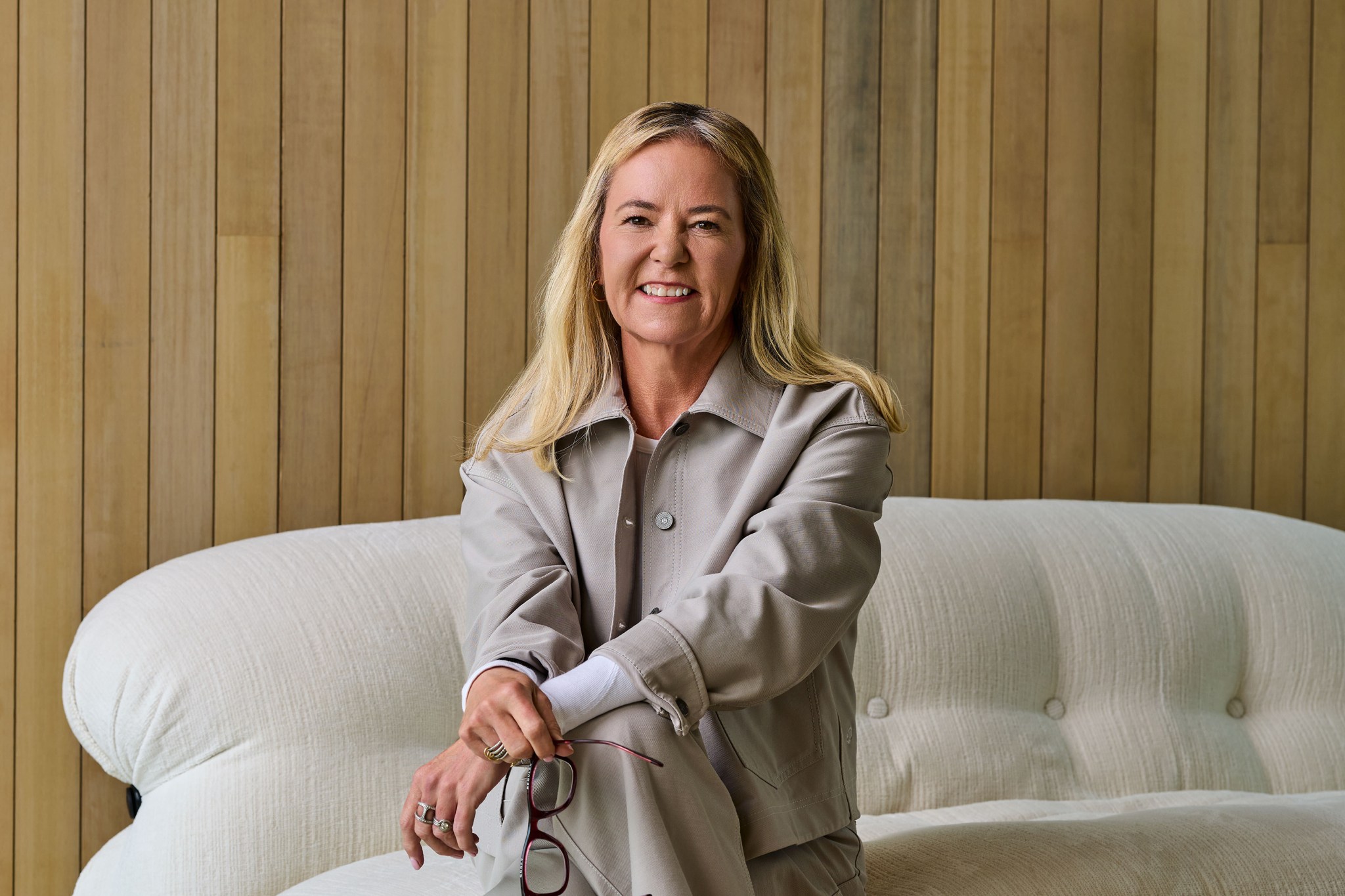
- Heidi O'Neill took over as Lululemon's chief executive on Tuesday, ending about seven months in which two C-suite executives ran the company on an interim basis after her April appointment was announced.
- The company reported a 12% drop in comparable sales in North America for the second quarter, its core market and the one that had already been slipping before her appointment.
- Lululemon also cut its full-year outlook for the second time in three months, the second reduction inside the five months between O'Neill's appointment and her first day.
- Leggings, an estimated third of Lululemon's revenue and its highest-margin products, fell 20% in the quarter, a drop that surprised analysts.
- M Science data reported by Reuters put Lululemon's market share at 43.9% in August after a fall of 10 percentage points, with Alo up 5.9 points and Vuori up 2.2.
Compiled by The InvestorSomething wrong?How this is made
Why it matters
- constraint Leggings carry the best margin in the range, so a 20% fall there takes out gross profit faster than it takes out sales, and gross profit is what pays for the product reset O'Neill says she wants.
- decision A reset aimed at the core forces a call on footwear, parkas and skirts: design and inventory dollars pointed back at leggings come out of the extensions built to sustain growth.
- exposure Analysts will judge O'Neill's first year against Nike, where they attribute the retreat from retail partners toward Nike's own channels to her, so the same playbook is on trial at a second company.
- precedent Markdowns during the decline reset what shoppers expect to pay for the same leggings, and restoring full-price demand is a harder job than restoring units.
Lululemon's revenue reached $11 billion in 2025, six times the 2013 level [13]. A third of that is about $3.7 billion, and 20% off it is roughly $730 million [1][2]. Applied to the whole company, a 20% fall in a category worth a third of sales subtracts about 6.7 points of revenue, more than half of the 12% North American comparable-sales decline [3]. The one-third figure is a company-wide estimate and the comp covers North America only, so that is an order of magnitude, not a reconciliation. "We did a double take when Lulu called out that leggings were down 20%," said BNP Paribas analyst Laurent Vasilescu [8].
Add the 10 points back to August's 43.9% and M Science's measure, cited by Reuters, had Lululemon near 53.9% before the fall [11][4]. Alo took 5.9 points and Vuori 2.2, which is 8.1 of the 10 [12][5]. China fell for a second consecutive quarter after rising at double-digit rates as recently as the spring [10].
The numbers fit brand erosion. "You have these brands that stretch; they lose that brand equity. They're able to sell a lot, but not mean a lot. And so, what that means is you watch the profits go down," Guggenheim Securities analyst Simeon Siegel said [15]. They also fit an assortment and pricing mistake that two or three seasons of editing can fix. In my view the share series decides between them, because a markdown problem shows up in margin while a preference problem shows up as units at Alo and Vuori. If leggings comp positive next quarter and the August share reading holds above 44%, the erosion case is wrong.
"I truly believe that we have an incredible opportunity in front of us: to re-establish who we are at our core and, from that foundation, take Lululemon into its next chapter," O'Neill told employees in a memo published on her first day [7]. "That starts with product. Product that is innovative and distinctive," she said in the same note [17]. Lululemon added footwear, parkas and skirts to keep growth going, and those categories put it against apparel and running-shoe makers with deeper supplier, wholesale and design relationships [14].
She has 27 years at Nike behind her, most recently as president of consumer, product, and brand [18]. Nike fell behind on innovation and alienated its core athletically-minded consumer by expanding into lifestyle wear [19], and Wall Street analysts attribute its move away from retail partners toward its own site and stores to O'Neill [20]. "Incoming CEO O'Neill has a mountain to climb," Jefferies analyst Randal Konik wrote in a research note last week [6].
What to watch
- Third-quarter leggings comparable sales, and whether the M Science share reading holds above 44% after August's 43.9%.
- Whether China returns to growth after two consecutive quarterly declines.
- Whether O'Neill trims footwear, parkas and skirts or funds them alongside the core assortment reset.