Invest1 publisher3 min readPublished
Better Markets sues to have court withdraw Basel III proposal, seeks Bowman's recusal
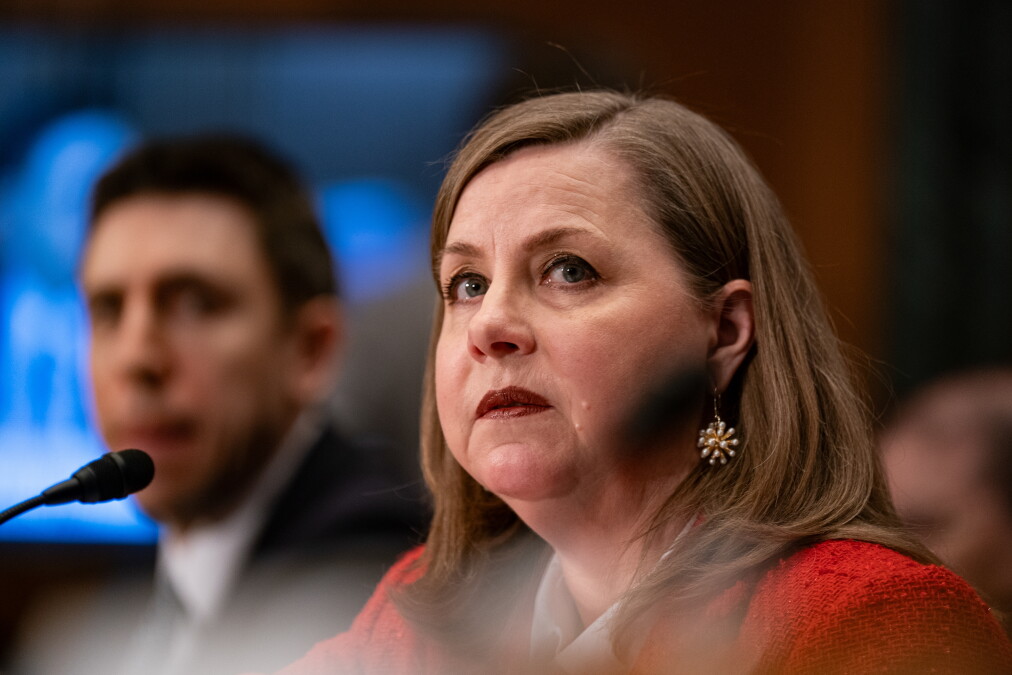
Better Markets says Michelle Bowman met big-bank executives privately and coached them to file mild comments, and it wants the Basel III proposal withdrawn and Bowman recused. She said she directed no one.
The Investor · Invest desk
What happened
- Better Markets sued the Federal Reserve Board and Vice Chair for Supervision Michelle Bowman in the U.S. District Court for the District of Columbia over the notice-and-comment process for the Basel III capital proposal.
- The advocacy group accuses Bowman of rigging the rulemaking by holding secret meetings with banking executives and coaching them on how to comment on the proposal.
- The Fed is working through dozens of comments filed earlier this year as it moves to finalize standards the Basel Committee set in 2017.
Compiled by The InvestorSomething wrong?How this is made
Why it matters
- constraint There is no number in this fight yet: the complaint as described names no capital level and no compliance date, so a lender cannot convert the litigation risk into a balance-sheet figure, only into a probability that the process restarts.
- decision Large banks now have to decide whether a mild comment letter is still worth filing when the mildness itself is the evidence someone is citing against the record.
- contradiction Better Markets wants higher capital requirements, yet withdrawal alone returns the drafting to the same Fed leadership, so the recusal request carries the substantive outcome the group is after.
- exposure The pleading's own hedges, including that decisionmakers "reportedly" coordinated, put the Fed's exposure on what discovery turns up rather than on what has been alleged so far.
The alleged mechanism runs backwards from the way comment files are usually read. Better Markets says Bowman told industry participants to keep their comments limited and noncombative so the public record would appear favorable and let the capital framework finally be updated [10]. On that account, the file the Fed will cite when it finalizes was thinned deliberately, with restraint from the largest banks the price of a rule they preferred.
The Administrative Procedure Act is the statute governing agency rulemakings [17], and the group's legal theory is that the resulting record is materially incomplete because private assurances and private directives never entered it [11]. Its filing says the process "denied Better Markets its right to meaningfully participate in the rulemaking" [12].
The remedy is the more interesting puzzle. The suit asks for two things: withdraw the proposal, and instruct Bowman to recuse herself from the rulemaking [5]. Better Markets was founded in 2010 after the subprime crisis and has argued for a decade for higher capital requirements at large banks [14]. A withdrawal order on its own hands the pen back to the same Vice Chair for Supervision. Only the recusal request changes who drafts the re-proposal.
Bowman rejects the premise. "Yes, I meet with a number of institutions," Bowman said. "I did not direct anyone about their comments for the rule. Our comment process is open." [6]
The evidentiary base, for now, is reporting. The complaint cites Reuters and Bloomberg accounts of undisclosed meetings between Bowman and executives of JPMorganChase, Goldman Sachs and other banks that would be subject to the rules [9], and the pleading carries the hedge in its own sentences: Fed officials "staged this reported charade to create a misleading record that presented greater support for and less opposition to Bowman's proposed and preferred rules" [4], and decisionmakers "have reportedly coordinated with regulated entities to support a predetermined outcome" [15].
For anyone modelling the finalization, the complaint as described sets no capital level, no compliance date, and no hearing date [18], while the Fed works through dozens of comments filed earlier this year on a framework meant to bring the U.S. into line with standards the Basel Committee set in 2017 [7][8], which was itself nine years after the crisis those standards answer [16].
The Fed could finalize on the existing record, and the fight would move to a challenge against the final rule. Or the court could order withdrawal and re-notice; that costs Fed staff months and leaves the substance where it was. Or the recusal could stick. That is the only branch that changes the text banks eventually have to hold capital against.
My read is the first, and the thing that would break it is discovery: calendars, notes, or emails showing directives about comment content would convert a pleading built on press reports into a record problem the Fed cannot cure by explanation, and the banks that filed mild letters would lose the file they helped build.
What to watch
- Whether the court treats the recusal request separately from the request to withdraw the proposal.
- Whether the Fed finalizes the capital standards on the existing comment record while the suit is pending.
- Whether discovery produces calendars or notes from the meetings with JPMorganChase and Goldman Sachs executives.