Invest1 publisher2 min readPublished
Korea moves to codify margin ban for under-19s as brokerages roll out restrictions
Financial authorities are negotiating a formal bar on margin trading by investors under 19, after KB, Samsung and Shinhan each stopped it on their own schedules. Credit loans to buy shares rose 713 billion won in the week investor deposits fell 10.2 trillion.
The Investor · Invest desk
What happened
- South Korea's financial authorities are moving to bar investors under 19 from margin trading, turning a practice left to brokerage discretion into a rule under the Korea Exchange or KOFIA.
- The Financial Services Commission will hold a financial market review meeting on Oct. 1 with the FSS and outside experts to assess risk factors in capital markets, including equities and the won.
- Outstanding credit loans for stock purchases rose 713 billion won to 33.073 trillion won between the 10th and the 17th, growth of about 2.2 percent in a single week.
Compiled by The InvestorSomething wrong?How this is made
Why it matters
- constraint Once the bar sits in a KRX or KOFIA rulebook, leaving credit available in a minor's account stops being a commercial call and becomes a breach, and the terms are being settled in talks with the industry now.
- exposure Brokerages that sold leveraged products into family accounts have that selling measured against the FSS's own published example of unreasonable practice.
- decision The timetable is an engineering one. Each brokerage's IT queue is carrying a build whose only output is fewer trades.
- precedent An account-level bar for under-19s gives supervisors a drafted template for the adult credit balances the FSC says it will examine against rising interest rates.
Investor deposits fell 9.5 percent in that same week, to 97.5 trillion won from 107.7 trillion [12][22]. Deposits covered outstanding credit loans 3.33 times on the 10th and 2.95 times on the 17th [16][17], about 11 percent less cover in seven days [18]. The 713 billion won credit gained is roughly 7 percent of the 10.2 trillion won deposits lost [19][15].
The report does not give the share of that 33.073 trillion won sitting in accounts held by under-19s. The stated case for the ban is about conduct. When the Financial Supervisory Service set out its financial consumer protection agenda it named the recommendation of leveraged products and margin trading to minors as an example of unreasonable sales practice [5].
Margin trading lets an investor borrow part of a purchase price from the brokerage and repay it inside about two trading days, and a price move against the position can force liquidation and widen the loss [4]. Officials gave two reasons for the bar: minors have not fully developed the capacity to make investment decisions, and parents could use their children's accounts for margin trades [3]. A block set at the account level answers the second reason whoever places the order.
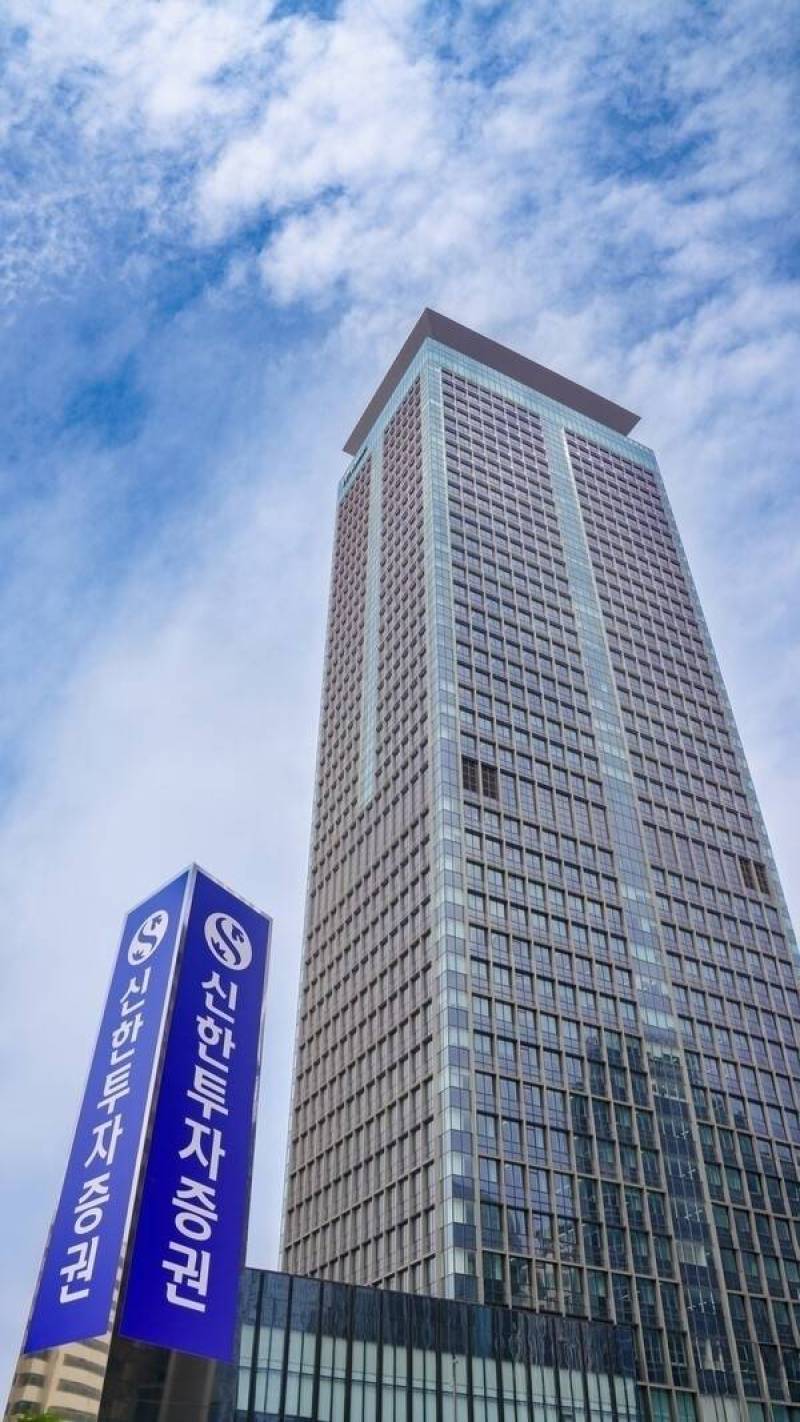
KB Securities stopped taking new applications from minors on July 25 and restricted existing accounts from late August [6][23]. Samsung Securities blocked the trades on Sept. 4, and Shinhan Securities has set Oct. 12 [7][8]. Authorities expect the rest of the industry to follow in early October, allowing for the time needed to build the IT [9], so the rule, when it appears in a Korea Exchange or KOFIA book, largely ratifies decisions the big firms have already taken [1]. A discretionary block that fails is a commercial embarrassment; a rulebook breach is a supervisory matter, and the terms are still being negotiated with the industry [2].
There are two competing readings. The first is that the under-19 bar is consumer protection and the leverage decisions sit elsewhere, in the promised management of credit loans and the overhaul of circuit breakers [14]. The second is that one week of association data is one week, and a 10.2 trillion won swing in deposits can reverse before anyone drafts anything [15]. I would expect the minors' rule to pass cheaply and the argument to be about the 33.073 trillion won of credit outstanding [13] and the rate-driven volatility authorities say they will examine [11]. If the Oct. 1 review produces nothing on credit loans and the rulebook work stops at minors, I am wrong about where the fight is [10].
What to watch
- The text of the KRX or KOFIA rule: whether it reaches leveraged products held in minors' accounts or only credit purchases.
- Whether Shinhan's Oct. 12 date holds and the remaining brokerages complete their IT builds in early October as authorities expect.
- The next weekly KOFIA prints: whether deposits rebuild toward 107.7 trillion won or credit loans push past 33.073 trillion.