Invest1 publisher3 min readPublished
Oil holds $101 as Saudi exports climb back to 70 per cent of normal
Naked Capitalism reports crude at $101 with Persian Gulf flows increasing and Riyadh exporting at about 70 per cent of its old normal. The futures curve and the baseline barrels, the two things that would price that bid, are not in the reporting.
The Investor · Invest desk
What happened
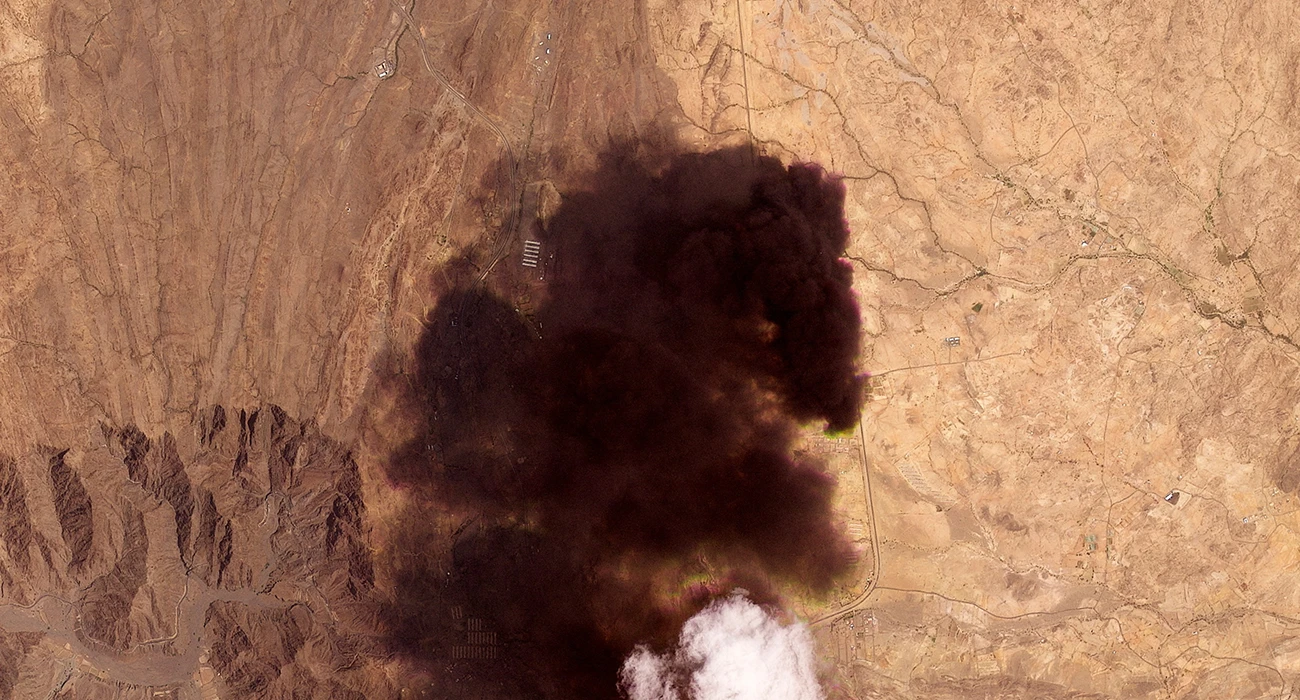
- Houthi forces struck an airbase at Khamis Mushait and oil infrastructure in nearby cities on Tuesday, wounding 73 people in one of the biggest attacks on the kingdom since February.
- Reuters reported that Pakistan delivered a Saudi warning to Iran to rein in the Houthis, citing Saudi, Pakistani and Iranian sources.
- Houthi spokesman Yahya Saree said Saudi warplanes carried out 54 airstrikes across various Yemeni provinces over the previous 12 hours.
Compiled by The InvestorSomething wrong?How this is made
Why it matters
- constraint Anyone sizing an energy hedge off this material is choosing a holding period from a ratio and a headline price, with no front-month spread and no barrel baseline available to test which of the two bids is doing the work.
- contradiction Riyadh recruiting Turkish and Pakistani military weight is hard to square with a 70 per cent export recovery and rising Gulf flows: the volumes say the strain is easing, the diplomacy says Riyadh is still paying to stop it.
- exposure If Pakistani aircraft do hit Saadah, the Houthi answer lands on Saudi loading infrastructure and Gulf hulls, and the flow number that supports a premium reading of $101 is the first thing to move.
The two numbers that would settle the argument are absent from the reporting. If the front futures month trades above the next one, barrels are scarce this week; if the curve is flat or upward sloping at the same print, the money is paying for the chance that the Strait of Hormuz shuts. What Naked Capitalism supplies is a price and a direction of travel for Gulf flows that is rising [1].
The Saudi figure is a ratio. Exports are reported at about 70 per cent of the old normal [2], so 30 points of that normal are still missing [16]. The post carries no baseline barrels, so that missing volume cannot be converted into cargoes.
The mandate for the response is not agreed either. Officials in Islamabad stressed that any military role would be confined to defending Saudi territory [9], and Pakistani Defence Minister Khawaja Asif said attacks spilling into the kingdom could trigger a joint security arrangement involving Riyadh, Ankara and Islamabad [10]. Turkiye Today, citing Pakistani sources, reported that "Pakistan is likely to carry out airstrikes against Houthi forces in Yemen at Saudi Arabia's request" [11], with Saadah among the priorities and "a final decision on attacking Yemen's Houthis has not been made" [12]. Air defence over Saudi soil and airstrikes in Saadah are different military mandates, covering different targets and different risks for anyone holding tanker exposure.
Chain of custody matters at this range. Naked Capitalism flagged the Reuters exclusive as coming from an outlet with "a history of running pro-Western pieces that proved not to be accurate" [7], and noted that the Jerusalem Post analysis appears to have gone live before the Reuters article [18]. Turkey's Foreign Affairs Ministry condemned the Houthi attacks on September 8, and the Jerusalem Post read those statements as no sign that Turkey plans to join the Saudi fight [15].
Saree put the Saudi answer at 54 strikes in twelve hours, which is about one every thirteen minutes [17], and said they would "not go unanswered and unpunished" [6].
The read I would defend, on two data points from one publisher: most of the $101 is payment for a closure that has not happened, and that kind of premium can leave in an afternoon on a ceasefire headline, so the live question for an energy hedge is the holding period and not the notional. The counter is clean. If the extra Gulf volume is buyers pulling cargoes forward ahead of a feared closure, and if the Saudi 70 per cent is partly met out of storage, the tightness is deferred and $101 is cheap. Naked Capitalism called it "puzzling" that "more oil has been getting out of the Persian Gulf to the market" even as Iran increased its strikes on tankers in recent days [13], and the same post notes Iran has become more open in saying that higher oil prices pressure a pain-averse US and, with the destruction of US bases, are meant to force a retreat [14].
The premium read breaks if the front month starts trading over the second while loadings keep rising, or if the Saudi share stalls below 70 per cent of the old normal [2], or if strikes on Saadah [12] are answered by tanker attacks that take the flow number back down.
What to watch
- Whether Pakistan carries out the Yemen airstrikes Turkiye Today's sources describe, and whether Saadah is among the targets.
- Whether the reported Saudi export share moves off about 70 per cent of the old normal in either direction.
- Any reporting that carries the front-month futures spread or Gulf freight and war-risk insurance rates, which is what separates the two readings of $101.