Build1 publisher3 min readPublished
IRGC recovers malfunctioning Dive-LD drone near Hormuz; analyst says Iran could reverse-engineer its mechanical systems
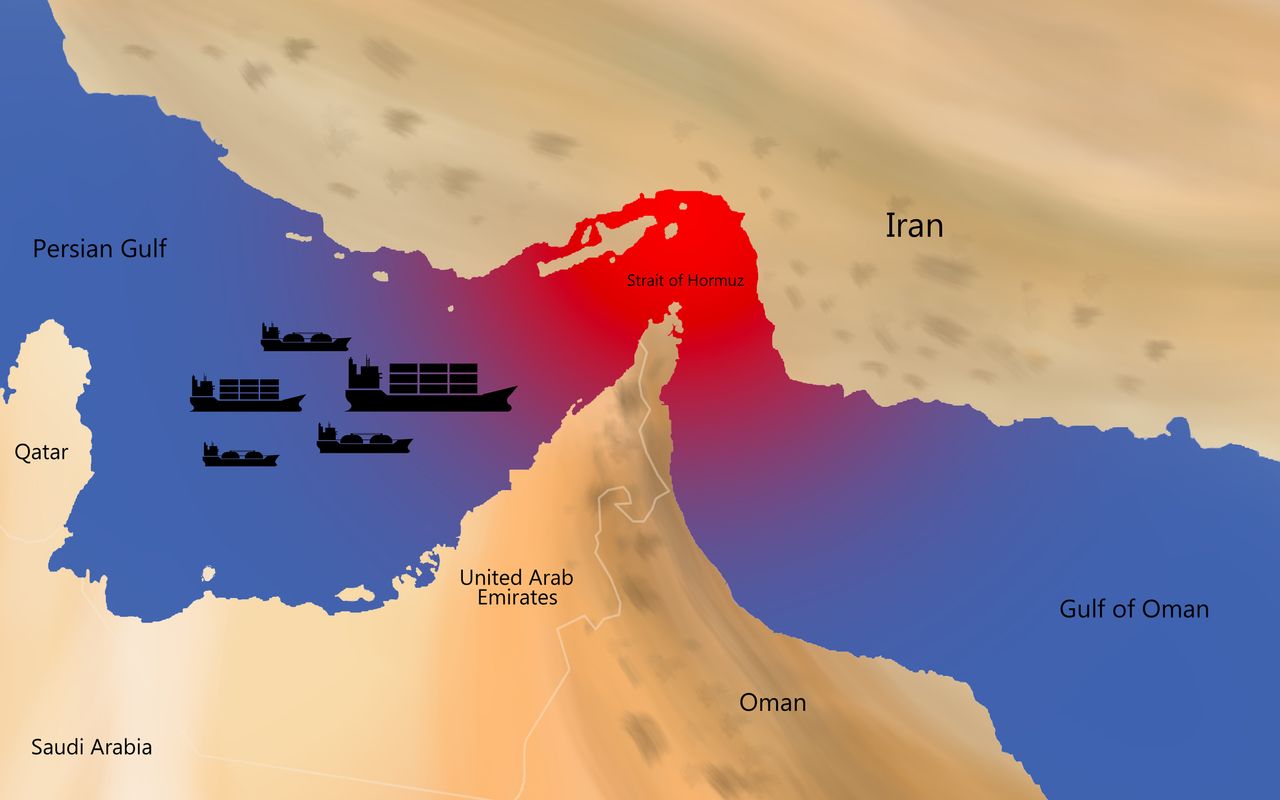
Reuters reported on September 9 that Iranian forces recovered the 19-foot autonomous vehicle after it failed near the Strait of Hormuz. The Navy calls the lost unit older and defective; Anduril has called the platform the most reliable on the market.
The Engineer · Build desk
What happened
- Reuters reported on September 9 that a 19-foot Anduril Dive-LD autonomous underwater vehicle malfunctioned while surveying regional waters and was then recovered by Iran's Islamic Revolutionary Guard Corps.
- The Navy described the lost vehicle as an older, defective model, and both the service and Anduril moved to play down the significance of the capture.
- Anduril markets the Dive-LD as a large autonomous underwater vehicle able to operate for up to 10 days in demanding environments.
- Iranian embassies mocked the loss on X, with the mission in Hyderabad posting: "Unboxing ceremony by our reverse engineers, tomorrow morning!"
Compiled by The EngineerSomething wrong?How this is made
Why it matters
- exposure Iran has physical access to a platform still being sold, and by Clark's account the remaining barrier is software protection that no outside buyer can audit.
- contradiction A program office reading Anduril's material gets the most reliable and flexible vehicle on the market; a program office reading the Navy after the loss gets an older, defective model. Both sentences describe the same product line.
- decision Anyone specifying a long-endurance uncrewed vehicle now has to write down the failure state: what the hull does, and who retrieves it, when control is lost in water an adversary patrols.
- precedent Stopping the next recovery means putting crewed assets over an uncrewed hull, the way the Navy sent a patrol ship and a Seahawk in 2022.
Custody is part of the specification for any large uncrewed vehicle, and it only gets tested on the day the vehicle stops obeying. A submersible that loses its mission either surfaces or settles, and from that point the nearest ship decides what happens to it. The Dive-LD malfunctioned while surveying regional waters near the Strait of Hormuz, and the ship that got there was Iranian [1][2]. Iran's embassy in Ghana compared the recovery to pulling a plastic bottle out of a fishing net and said the vehicle was "still blinking like an idiot" [9].
The Navy's account of the loss is about payload and data. It said the vehicle "neither collected sensitive data nor carried any classified sonar or radar equipment" [3]. The mechanical systems went with the hull. Bryan Clark, who directs the Center for Defense Concepts and Technology at the Hudson Institute, told Reuters that Iranian engineers "could definitely reverse-engineer the mechanical systems" [7]. He was more doubtful about Tehran's ability to get into the software, which reportedly carries defenses intended to frustrate exploitation attempts [8].
That split is worth taking seriously by anyone building long-endurance autonomous hardware. Endurance is the selling point on this class of vehicle [4], and endurance is exactly what puts a hull days of transit away from its own recovery assets at the moment a fault occurs. In my view the protection against that outcome is a defined failure state, not a reliability figure, because the reliability figure is a claim about the days the vehicle works. Analysts cited by Reuters said the captured drone was unlikely to give Iran a decisive military advantage [6].
Washington has treated earlier recoveries as more than embarrassment. After Iran recovered an RQ-170 Sentinel in 2011, then-President Barack Obama publicly asked for it back, and Tehran later claimed it had reverse-engineered the aircraft and unveiled domestic drones apparently influenced by its design [11]. In 2022 the US Navy sent a patrol ship and an MH-60S Seahawk helicopter after an Iranian naval vessel tried to tow away an American Saildrone surface vehicle in the Gulf [12]. Counting that attempt, the Dive-LD is the second US uncrewed maritime vehicle Iranian forces have moved on since 2022 [15].
The propaganda use of the hull does not depend on any of the engineering succeeding. Mona Yacoubian, director of the Middle East program at the Center for Strategic and International Studies, said: "This is something that Iran has proven very adept at exploiting for its own benefit in terms of seeking to frame the narrative as one of U.S., in this case, ineptitude and their ability to sort of retain control over the Strait of Hormuz" [13].
Neither the Navy nor Anduril has described how the vehicle malfunctioned [5]. The war it was surveying in began when Washington launched Operation Epic Fury in late February, and is now in its seventh month [14].
What to watch
- Whether Iran displays the hull or its internals publicly, as it did after claiming to have copied the RQ-170.
- Whether the Navy or Anduril describe the malfunction and say what the Dive-LD is designed to do when it loses control.
- Whether the US repeats its 2022 response and puts crewed assets over the next uncrewed vehicle that fails in contested water.