Science1 publisher2 min readPublished
Storage pests show a Gran Canaria burial cave held grain first
More than 8,000 arthropod remains from the Cruz de la Esquina cave on Gran Canaria put bulk grain in it before the wrapped bodies, and the same assemblage argues the dead were placed there soon after death.
The Scientist · Science desk
What happened
- Archaeologists working the Cruz de la Esquina funerary cave on Gran Canaria, in use in the 7th to 9th centuries AD, recovered more than 8,000 preserved arthropod remains spanning a range of species.
- The insect evidence also indicates bodies were buried shortly after death, against an earlier interpretation that corpses were exposed to sunlight to decompose before being placed in caves.
- Wood, rope and leather survived in the cave, and that preservation is what made the collection of pest remains possible in the first place.
Compiled by The ScientistSomething wrong?How this is made
Why it matters
- capability With almost no surviving testimony about Indigenous Canarian burial after the conquest, sieved insects can supply an order of use for a cave and an estimate of the interval between death and deposition.
- constraint The burial-timing inference travels only as far as its taxa list, so other teams cannot test it at their own sites until the counts of decomposition-associated species are published.
- precedent If storage-pest density distinguishes a former granary from a cave only ever used for the dead, insect residues become a screening question for cave surveys across the island.
Cereal was already expected in these deposits. It was placed with wrapped bodies as an offering, and offerings bring their own pests [6]. The Cruz de la Esquina case turns on abundance. A significant percentage of the more than 8,000 preserved arthropod remains were storage pests, implying quantities of grain larger than funerary offerings would account for, and the team concludes the cave was used for food storage before it was adapted for burial [4][5][6]. The work is published in Antiquity [16]. The phys.org account of it does not report that percentage or the taxa list behind it [19].
The second result cuts against an existing reading of the same practice. Corpses had been thought possibly exposed to sunlight to decompose before being taken into caves; the insects from Cruz de la Esquina indicate they were buried shortly after death instead [7][8]. That inference runs through the taxa associated with funerary decomposition, which is what the team set out to identify, alongside reconstructing the funerary practices and testing for non-burial uses [9]. "Insects can provide valuable evidence for reconstructing post-mortem processes," said lead author Pedro Henriquez-Valido of the University of Alcala [10][17].
The Indigenous record on the islands is thin. The Canary Islands were occupied by Indigenous people before the Spanish conquest of the 15th century AD, and after colonial destruction little is known about their culture and customs, their burial practices least of all [12][13]. The dates in the study, the 7th to 9th centuries AD, attach to the funerary cave [1]. That use precedes the conquest by roughly six centuries [1]. Henriquez-Valido had already noted the starting point: "It was already known that Indigenous communities in Gran Canaria used caves for funerary purposes, including the deposition of wrapped bodies," he said [1].
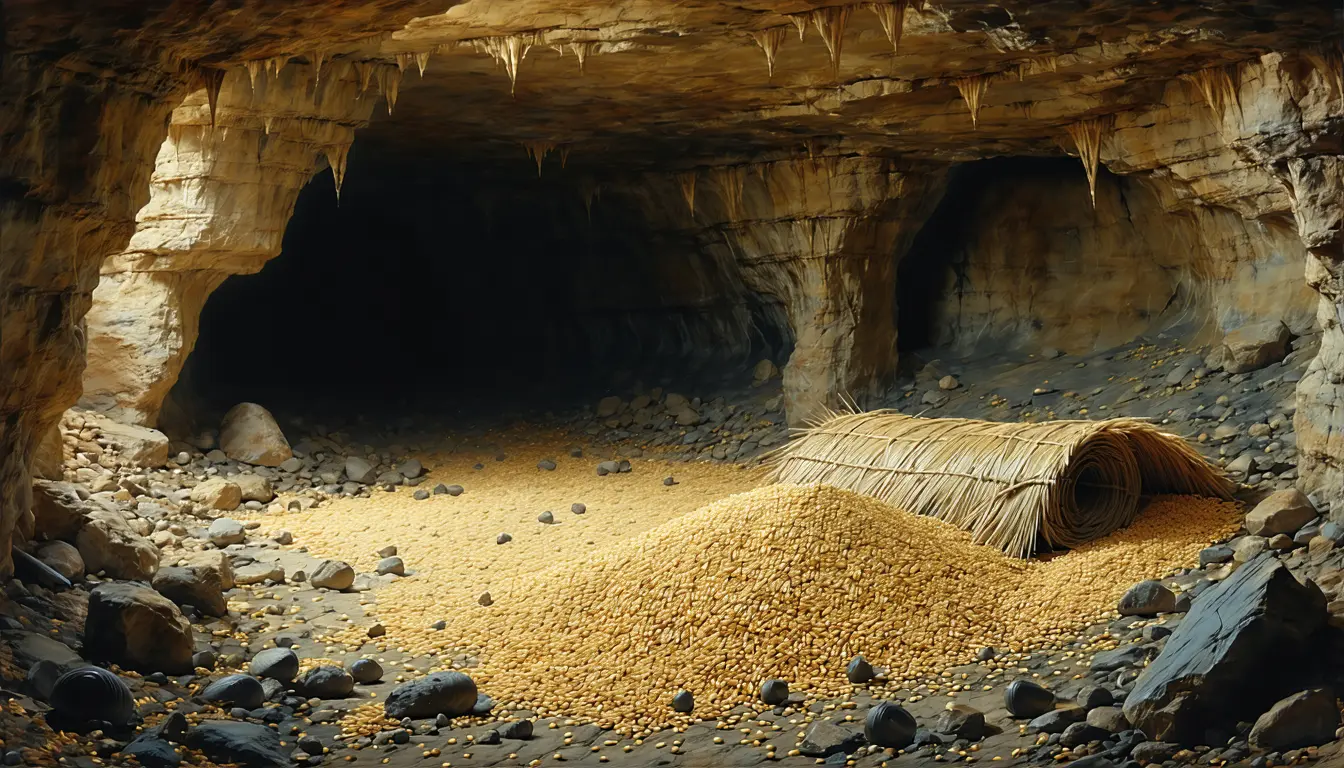
"Archaeoentomological remains have revealed the hidden biography of Cruz de la Esquina: before it became a burial cave, where bodies were deposited shortly after death, it was a granary where food was stored," Henriquez-Valido said [11].
That is one cave, and the sequence stays a single site's history until the same assemblage turns up in another. "This research highlights the potential of archaeoentomology to refine our understanding of funerary environments and to provide new perspectives on the transformation of archaeological deposits," said co-author Jean-Bernard Huchet of the University of Bordeaux [15][18].
What to watch
- Results from the other Gran Canaria caves the team says it will sample; a second granary-then-burial sequence would lift this from one site's history to a practice.
- The Antiquity paper's counts and taxa table, since the share of decomposition-associated species is what the shortly-after-death claim rests on.
- Any cave that shows the reverse order, with storage following funerary use, or the two overlapping.