Science1 publisher3 min readPublished
Estrogen's case against dementia still rests on mice and observational data
Lab work shows how estrogen could keep neurons healthy, and an August analysis in Neurology found fewer dementia diagnoses among women on estrogen-only therapy. The researchers who study it still want randomized trials.
The Scientist · Science desk
What happened
- Observational data published in August in Neurology found that women taking estrogen-only hormone therapy showed fewer Alzheimer's-related brain changes than women taking none.
- Guidelines now reserve estrogen-only therapy for women who have had a hysterectomy, and recommend combined estrogen-plus-progesterone treatment for everyone else.
- Researchers interviewed by Live Science said gold-standard clinical trials are still needed before anyone can say hormone therapy protects the aging brain.
Compiled by The ScientistSomething wrong?How this is made
Why it matters
- constraint The prescribing rule limits what the observational comparison can settle: estrogen-only users are largely women who had surgery, so the two groups differ in more than hormone exposure.
- decision A woman weighing hormone therapy at menopause is choosing on symptom relief and sleep, because the dementia-prevention column of that ledger is still empty of trial evidence.
- exposure The endometrial cancer signal keeps the arm of therapy with the dementia hint off the table for women who still have a uterus, unless progesterone is added.
- precedent If the timing hints hold, the field owes itself a trial that enrolls at early menopause, which is a slower and more expensive design than the observational work now carrying the argument.
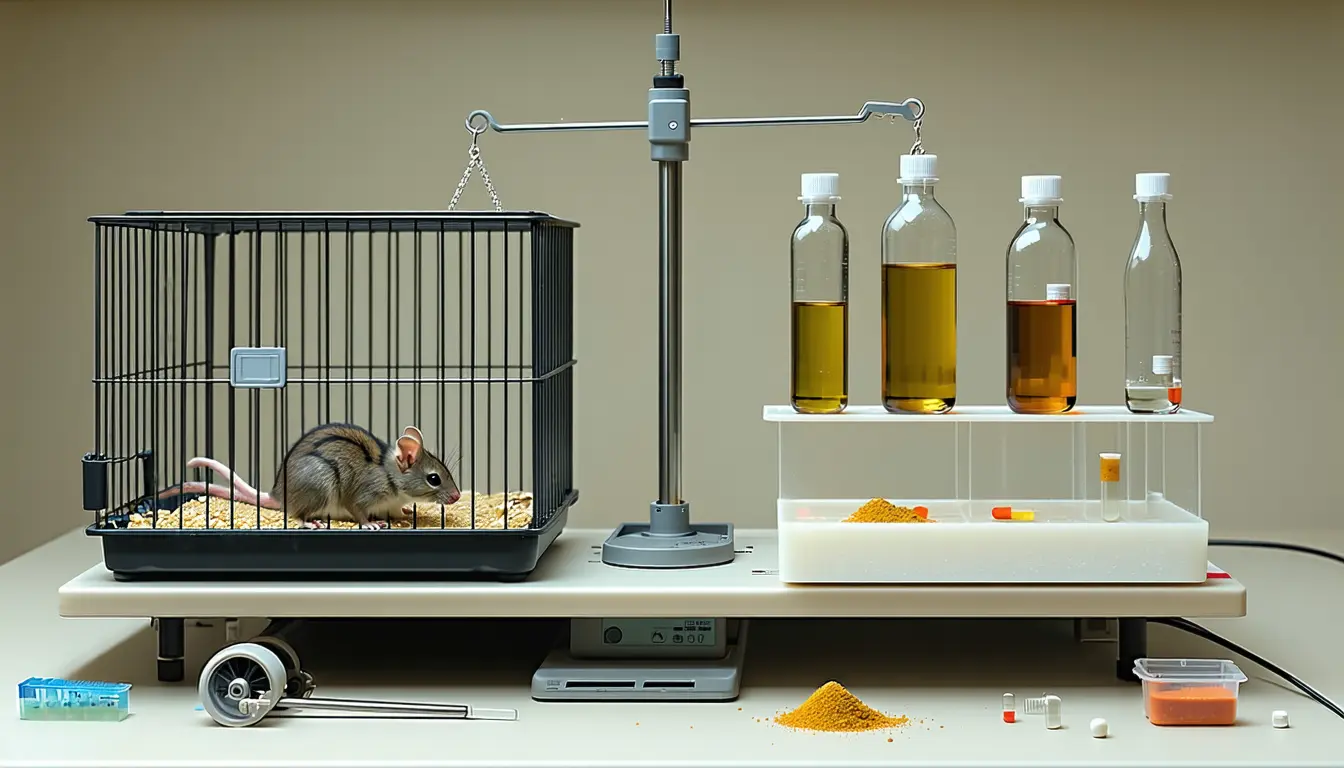
The mechanistic case is specific enough to be testable. Amyloid beta appears when an enzyme cuts a larger protein the "wrong" way, and in lab mice estrogen promotes the normal cut and lowers amyloid beta [9]. Estrogen may also block the chemical steps that make tau proteins clump into the tangles that mark Alzheimer's disease [10]. Take estrogen away from female mice and their neurons lose dendritic spines, the small bud-like bumps that receive chemical messages [8]. All of that is cells and rodents. It shows the hormone can act on the pathology, not that restoring it after menopause changes a woman's odds of dementia.
Karyn Frick, a neuroscientist and professor of psychological and brain sciences at the University of Wisconsin-Milwaukee, puts the hypothesis in terms of vulnerability [1]. "We think that the loss of those hormones at menopause renders those neurons more vulnerable to age-related cellular decline and pathologies like Alzheimer's," Frick said [2]. The epidemiology gives the idea something to explain: women are more likely than men to develop Alzheimer's, and Jennifer Bruno, an instructor of psychiatry and behavioral sciences at Stanford University, said scientists think estrogen loss at menopause may be partly to blame [6].
There is an indirect route too, through sleep. "It's well documented that menopausal women have difficulty sleeping, whether it's due to hot flashes or insomnia," Frick said [11]. Estrogen eases those nighttime hot flashes and can leave women with more, less-fragmented sleep, deep rest may help the brain clear toxic proteins, and sleep deficiency is linked to Alzheimer's disease [12]. That last link is an association.
The August paper in Neurology is observational. Women who took estrogen-only HRT were less likely to show Alzheimer's-related changes in the brain than women who took no HRT [17], and they were also less likely to be diagnosed with dementia and less likely to show clinical and functional cognitive decline [18]. Current guidelines reserve estrogen-only therapy for women who have had the uterus removed, because the Women's Health Initiative tied estrogen-only HRT to higher endometrial cancer risk and later analyses supported that finding [15][16]. The treated group in such a comparison is therefore largely a hysterectomy group and the untreated group is not [20]. The Live Science account does not report how many women were in the analysis [19].
Hormone therapy was popular in the 1990s and fell away after the Women's Health Initiative results were published in 2002, and newer data have since overturned some of the risks that study identified [14]. Trials of HRT for dementia prevention have given mixed results, with early hints that restoring estrogen during early menopause may protect brain health [4], and the researchers who spoke to Live Science said more gold-standard clinical trials are needed to know [5]. In my view the timing hypothesis is the one worth testing and the one nobody has yet tested properly: a randomized trial that begins dosing close to the last menstrual period and follows cognition for years. Until that reports, estrogen is a treatment for hot flashes and broken sleep [12] whose effect on dementia risk remains unmeasured in a controlled experiment [5].
What to watch
- Whether any randomized trial starts hormone therapy close to the last menstrual period and reports cognitive endpoints, and at what age it begins dosing.
- Whether the Neurology cohort is reanalyzed with hysterectomy status separated out, since surgical and natural menopause are not the same exposure.
- Whether newer data continue to overturn Women's Health Initiative risk findings, and whether the endometrial cancer signal for estrogen-only therapy holds.