Product1 publisher2 min readPublished
GM replaces CarPlay with a dashboard built on Google's car operating system
GM has already stripped CarPlay and Android Auto from its newest electric models. Engadget reports gas cars follow when GM's own computing platform arrives around 2028. The replacement runs on Android Automotive.
The Product Desk · Product desk
What happened
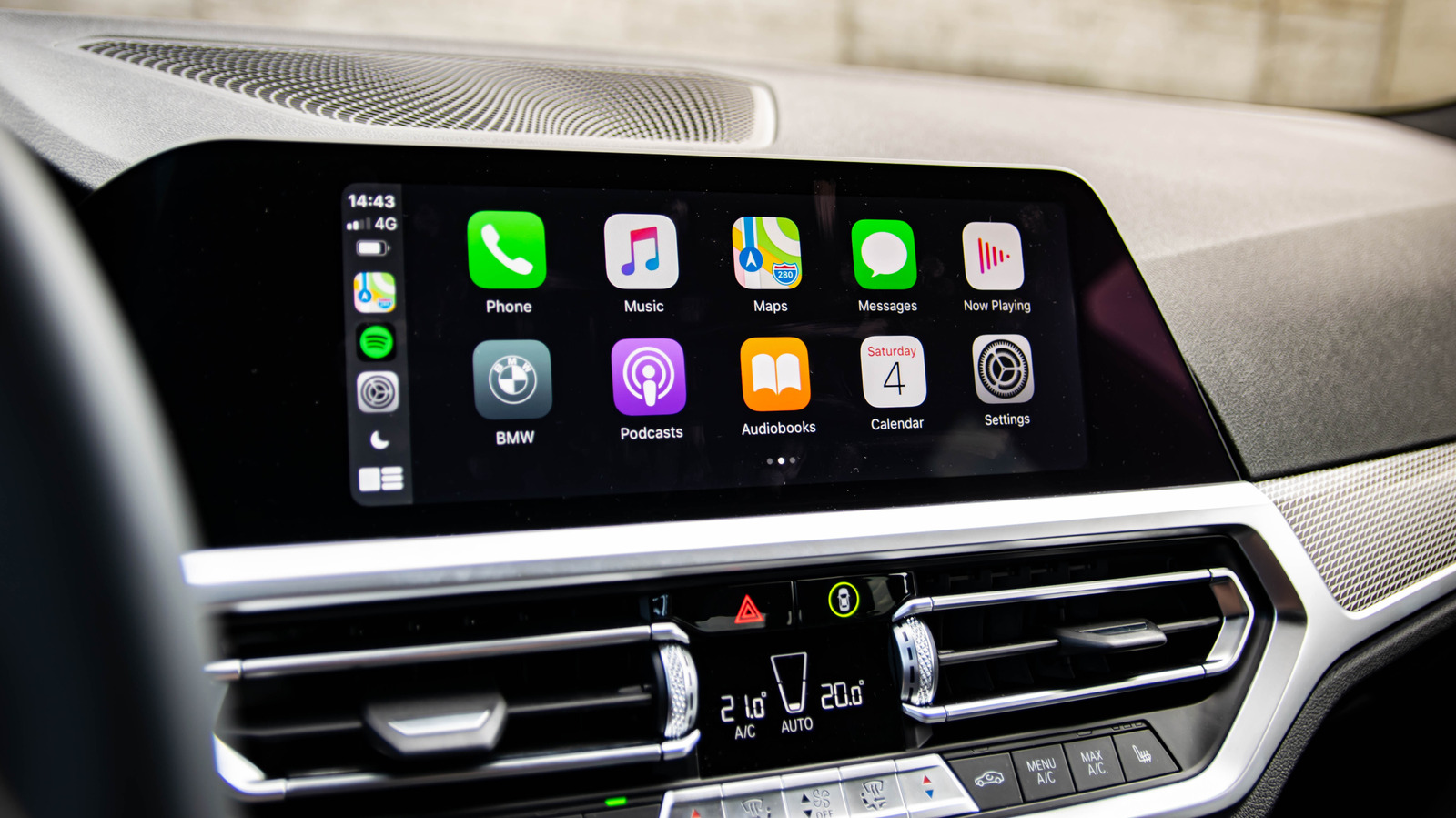
- General Motors has already removed CarPlay and Android Auto support from its newest electric models, including the Chevrolet Blazer EV.
- Engadget reports GM is expected to start removing CarPlay from gas-powered cars once the company's own centralized computing platform is released around 2028.
- GM's replacement is built around Android Automotive, Google's standalone car operating system, which runs apps on the car itself with no phone connected.
- Apple's projection system has been available to drivers for more than a decade and now supports over 800 different car models.
- Tesla and Rivian have never offered CarPlay at all, though Tesla has reportedly tested it.
Compiled by The Product DeskSomething wrong?How this is made
Why it matters
- constraint Even in cars that keep CarPlay, EV functions such as battery preconditioning and manufacturer-specific charging controls sit outside it, so a projected app cannot cover the whole drive.
- decision Teams that got dashboard reach free out of an existing phone build now have to decide whether a car-native build, per manufacturer platform, pays for itself.
- exposure Apple's counter, CarPlay Ultra, has to sell deeper integration to automakers that have already funded the alternative, and Engadget expects that argument to widen.
- precedent A dated sunset for phone projection is now an ordinary line item in an automaker's software plan.
Drivers took to CarPlay for a plain reason: the same interface came up in any compatible car, with their own apps and contacts, and nothing to port or sign up for [24]. The built-in alternatives kept giving them reasons to. MyFord Touch on Ford and Lincoln cars lasted five years, and BMW tried to charge $80 a year for CarPlay access [14][15]. Navigation was the recurring complaint, with maps going out of date and updates sometimes costing a fee [16].
Even at its best, projection is a layer on top. Standard CarPlay mirrors the phone over the car's own software, and a driver who needs something Apple's system does not support has to back out of it [8].
Engadget attributes the removals to control, writing that taking CarPlay out costs the driver convenience and hands the manufacturer more control over data and the services the driver uses [7]. GM's stated case is narrower. It argues that its Android Automotive-based system gives its software a much deeper understanding of the vehicle underneath, with navigation as the example [6]. The vehicle argument can be checked against a feature list. The data argument runs into the platform choice, since the system GM built to replace Apple's sits on Google's car operating system [5].
The two demand figures in Engadget's account do not measure the same group. Apple told WWDC 2022 that 79 percent of car buyers would not choose a model without CarPlay support [11]. A more recent survey found that losing CarPlay was a "deal breaker" for 55 percent of its users; Engadget does not name the survey or its sample [12][23]. The first counts buyers in general and the second counts people already using the feature, so subtracting one from the other measures nothing [21].
Sort in-car sessions by what each one needed. A session that needed only a screen, like audio or messaging, is the kind projection carried, and it moves to whatever the car's own operating system will run. A session that needed the vehicle itself was never reachable through standard CarPlay in the first place [8].
The timing differs by drivetrain. Because the change lands by model year and cars already sold keep the feature, the projected audience thins one sales cohort at a time [4]. GM's gas models hold projection for roughly two more years, counting from the 2026 removals Engadget describes to the platform release it puts around 2028 [19].
What to watch
- Whether GM's centralized computing platform actually ships around 2028, and whether gas models lose CarPlay when it does.
- Whether CarPlay Ultra persuades any automaker that has already shipped a built-in replacement to reverse course.
- Whether Tesla, which Engadget says has reportedly tested CarPlay, ever ships it.