Invest1 publisher2 min readPublished
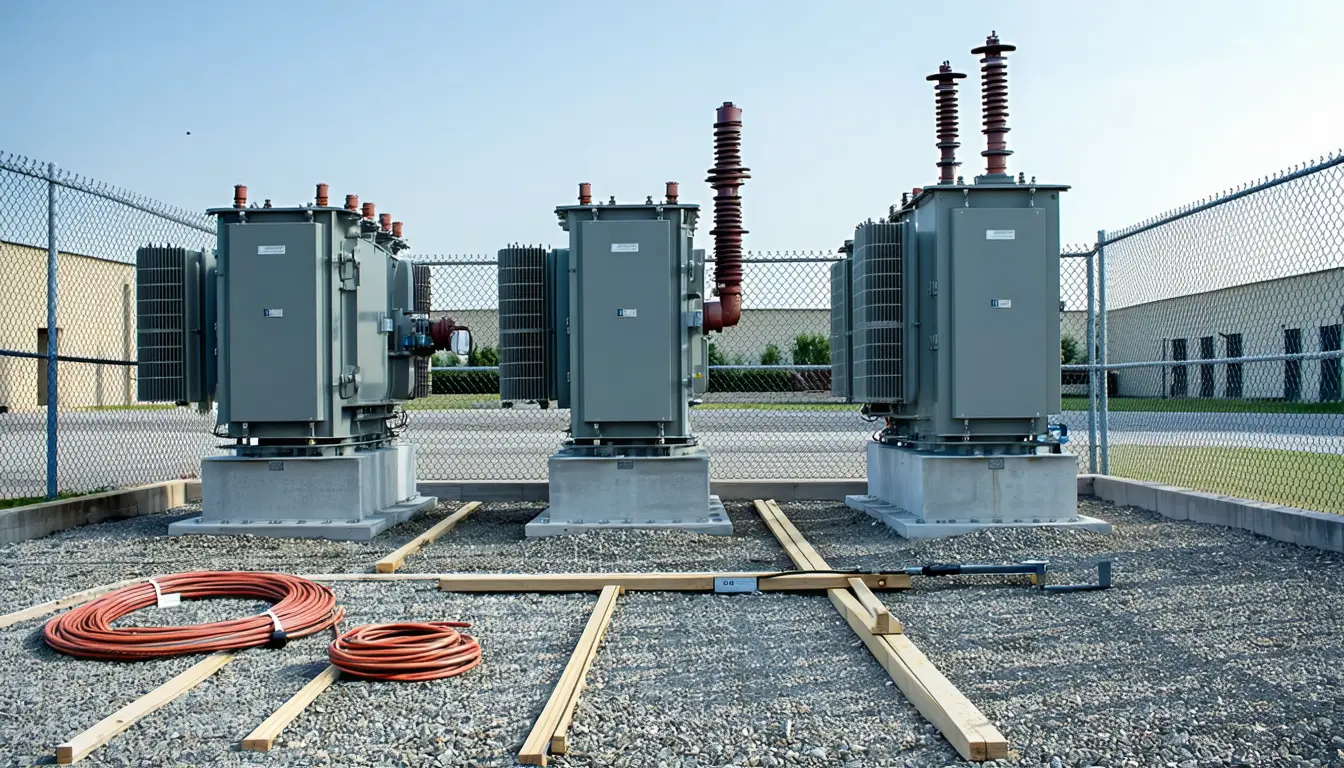
A 160-week wait for substation transformers now sets the pace of the AI buildout
Power suppliers and equipment makers have lost multiple since June even as earnings and guidance rose. The Seeking Alpha analyst making that case puts the binding constraints in transformer queues and electrician hiring.
The Investor · Invest desk
What happened
- A Seeking Alpha analyst writes that the 2024 AI power trade has deflated since June, with multiples compressing across power suppliers and equipment makers even as their earnings and guidance rose.
- Merchant generators that sell electricity into wholesale markets, Vistra and Talen among them, were the stocks that surged in 2024 as investors chased electricity demand from AI data centers.
- The article frames this as a paradox, since power is still a hard bottleneck on data center buildout and the constraints are getting worse, not easing.
- Shortages of skilled electricians are named as a big bottleneck on the buildout, separate from the delays in getting power equipment delivered.
Compiled by The InvestorSomething wrong?How this is made
Why it matters
- constraint Capital that buys generation does not shorten a substation transformer order, so money aimed at megawatts cannot relieve the step that is running past 160 weeks.
- exposure A developer who withdraws an announced project walks away cheaply, while the equipment buyer who ordered against that announcement is left holding a multi-year order and the cash committed to it.
- decision Anyone still long has to decide whether the lower multiple is a fair price for announcement risk or an overcorrection, because rising guidance no longer settles the question.
Multiple compression on rising earnings is an identity before it is a judgement. The de-rating is a view on how long those earnings last. Price is the multiple times earnings, so if earnings and guidance rose since June while the multiple fell, prices rose by less than earnings did or fell outright [2].
The delay sits on the supply side. Substation transformer lead times run past 160 weeks, which at 52 weeks to the year is about 3.1 years [6][1]. Pay to enter that queue now and the load the gear serves has to still be there three years later.
Set against that queue, the demand side looks soft. The Seeking Alpha analyst writes that BNEF's upward revision to AI power demand was driven by announcements, not construction, and that an announcement can be withdrawn [5]. Withdrawing one costs the developer very little. The transformer buyer keeps their place in the queue and keeps the order.
Labour is the second constraint. The article puts shortages of skilled electricians alongside equipment delays as a big bottleneck [7]. It does not quantify the shortage or the size of BNEF's revision [3].
The author lists three routes: regulated utilities, merchant generators, and equipment suppliers selling into unregulated behind-the-meter demand [8]. The disclosure at the foot of the piece says the author holds a beneficial long position in BW through stock ownership, options or other derivatives [9].
The counter-thesis is the simpler one and may be the right one: if the demand forecast rests on announcements that can be withdrawn, a lower multiple on today's earnings is correct pricing, and the 2024 buyers of Vistra and Talen were paying for wholesale power prices that only arrive once announced load actually connects [2][5]. I'd expect cancellations to appear in equipment order books before they appear in power prices. Announced projects converting into construction starts at a high rate would say the demand number was sound and the sellers were early [4][5].
What to watch
- A published substation transformer quote shorter than 160 weeks would be the first sign the equipment queue is clearing.
- Whether BNEF's next AI power revision separates announced capacity from capacity under construction.
- Whether any of the data centre projects announced in 2024 are formally withdrawn.