Published Leadership3 min read
The Rails Are Being Built to Not Care, Which Makes Your Digital Money Bet Moot
A payments vendor executive argues in Forbes that infrastructure is now designed to settle across stablecoins and tokenized deposits at once. The named deals support the direction.
Context for builders, not their beat.See today for builders

What happened
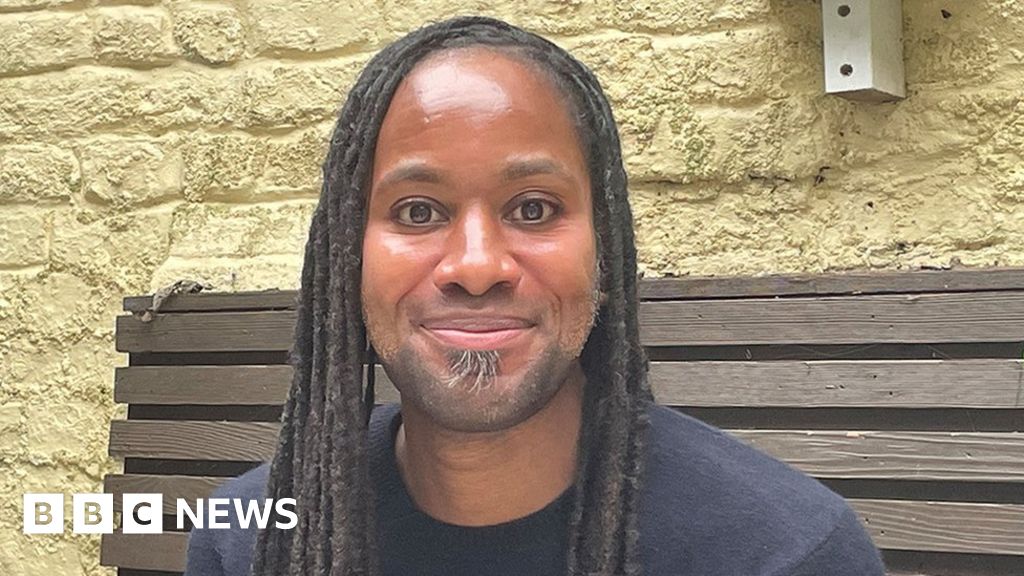
- The Forbes piece is authored by Divyarani Raghupatruni, Senior Director of Product, Data and Orchestration, Alacriti Inc.
- Payment infrastructure is moving toward a future where it no longer depends on a single form of digital money, and is instead being built to support multiple forms of regulated digital assets simultaneously.
- Mastercard announced on June 3 that it will support card settlement in regulated stablecoins, including Circle's USDC and SoFi's SoFiUSD, across its global network, with Cross River, Lead Bank and CBW Bank among the first participating institutions.
- Three banks are named as among the first participating institutions in Mastercard's stablecoin card settlement: Cross River, Lead Bank and CBW Bank.
- Two stablecoins are named in the Mastercard settlement announcement: Circle's USDC and SoFi's SoFiUSD.
Compiled by The Board RoomSomething wrong?How this is made
Why it matters
Payment infrastructure is being built to support multiple forms of regulated digital money simultaneously rather than to back a single winner, according to Divyarani Raghupatruni, Senior Director of Product, Data and Orchestration at Alacriti, writing for Forbes [1][2]. If that reading is right, the strategy debate a lot of bank and fintech teams are still running, stablecoin or tokenized deposit, is a wager on an outcome the rails have been designed to be indifferent to.
She names three developments as evidence. Mastercard said on June 3 that it will support card settlement in regulated stablecoins, including Circle's USDC and SoFi's SoFiUSD, across its global network, with Cross River, Lead Bank and CBW Bank among the first participating institutions [3]. That is two named settlement assets and three named banks at launch, which is a pilot-scale roster, not a network conversion [4][5]. Stripe is extending stablecoin infrastructure past payments, through its Bridge acquisition and launches covering stablecoin wallets, payments and payouts, so businesses can accept, hold, move and settle in regulated digital dollars [6]. And the Cari Network launched with Huntington, First Horizon, M&T Bank, KeyCorp and Old National Bank, five regional institutions building interoperable tokenized deposit rails together instead of proprietary ones [7][8].
Those three moves do not agree on a format. One settles cards in stablecoins, one builds stablecoin plumbing for merchants, one is commercial bank money tokenized by a consortium. The author's point is that they point the same direction anyway: infrastructure that carries several regulated settlement instruments at once [9]. The framing she rejects, whether stablecoins or tokenized deposits win, whether cross-border comes before domestic, whether programmability is the deciding advantage, assumes digital money needs a single winner [10].
The part worth reading with a raised eyebrow is the conclusion. Her argument is that strategic advantage moves from the asset to the ability to orchestrate value across assets, and that differentiation will come from routing and settling across settlement instruments while keeping the customer experience consistent [11][12]. That is a defensible read of the evidence. It is also, precisely, the product category of the company whose title she carries [1]. Take the direction seriously and the vendor framing with the usual discount.
The bank-side problem she describes is more concrete than the orchestration pitch. Deposits fund lending, support liquidity and treasury management and anchor customer relationships [13]. As regulated stablecoins and tokenized deposits become available, the question is whether customer balances stay attached to the banking relationship regardless of the format they move in [14]. Institutions are hedging in different ways: tokenized deposits that push commercial bank money into programmable environments, partnerships with regulated stablecoin issuers, membership in shared digital-money networks [15]. Different tactics, one objective, which is protecting deposit value while letting customers transact across the new rails [16].
The cost lands in operations. Supporting several settlement assets means allocating liquidity across payment networks that run on different schedules, a burden customers never see and treasury teams carry daily [17][18].
Watch whether the named rosters grow. Three banks on Mastercard's stablecoin settlement and five on Cari are the current measure of how real this is [4][8]. Watch, too, whether any institution publishes what multi-asset liquidity allocation actually costs it, because that number, not the format debate, will decide how many banks follow.
Claim ledger
Ranked by verification strength, evidence, and original report placement.
- [1]
The Forbes piece is authored by Divyarani Raghupatruni, Senior Director of Product, Data and Orchestration, Alacriti Inc.
- [2]
Payment infrastructure is moving toward a future where it no longer depends on a single form of digital money, and is instead being built to support multiple forms of regulated digital assets simultaneously.
- [3]
Mastercard announced on June 3 that it will support card settlement in regulated stablecoins, including Circle's USDC and SoFi's SoFiUSD, across its global network, with Cross River, Lead Bank and CBW Bank among the first participating institutions.
- [6]
Stripe is expanding its stablecoin infrastructure beyond payments; through its acquisition of Bridge and recent launches including stablecoin wallets, payments and payouts, it is enabling businesses to accept, hold, move and settle value using regulated digital dollars as part of mainstream financial infrastructure.
- [7]
The Cari Network launched with Huntington, First Horizon, M&T Bank, KeyCorp and Old National Bank, illustrating institutions collaborating to deploy interoperable tokenized deposit networks rather than building proprietary solutions.
- [9]
The initiatives differ in design but point in the same direction: a future defined by infrastructure capable of supporting multiple forms of regulated money simultaneously, with stablecoins, tokenized deposits and eventually other regulated digital assets operating as settlement instruments across connected financial networks.
Sources & coverage · 1 publisher
The reporting this story was synthesized from, earliest first. Every link goes to the original.
- forbes.comDivyarani Raghupatruni, Forbes Councils MemberAug 13When Payment Infrastructure Stops Caring What Form Money Takes
Additional citations
- Forbes Tech Council byline
- Divyarani Raghupatruni, Alacriti, in Forbes