Product1 publisher3 min readPublished
Zuckerberg's Connect keynote answered a year of glasses harassment by restating the recording light
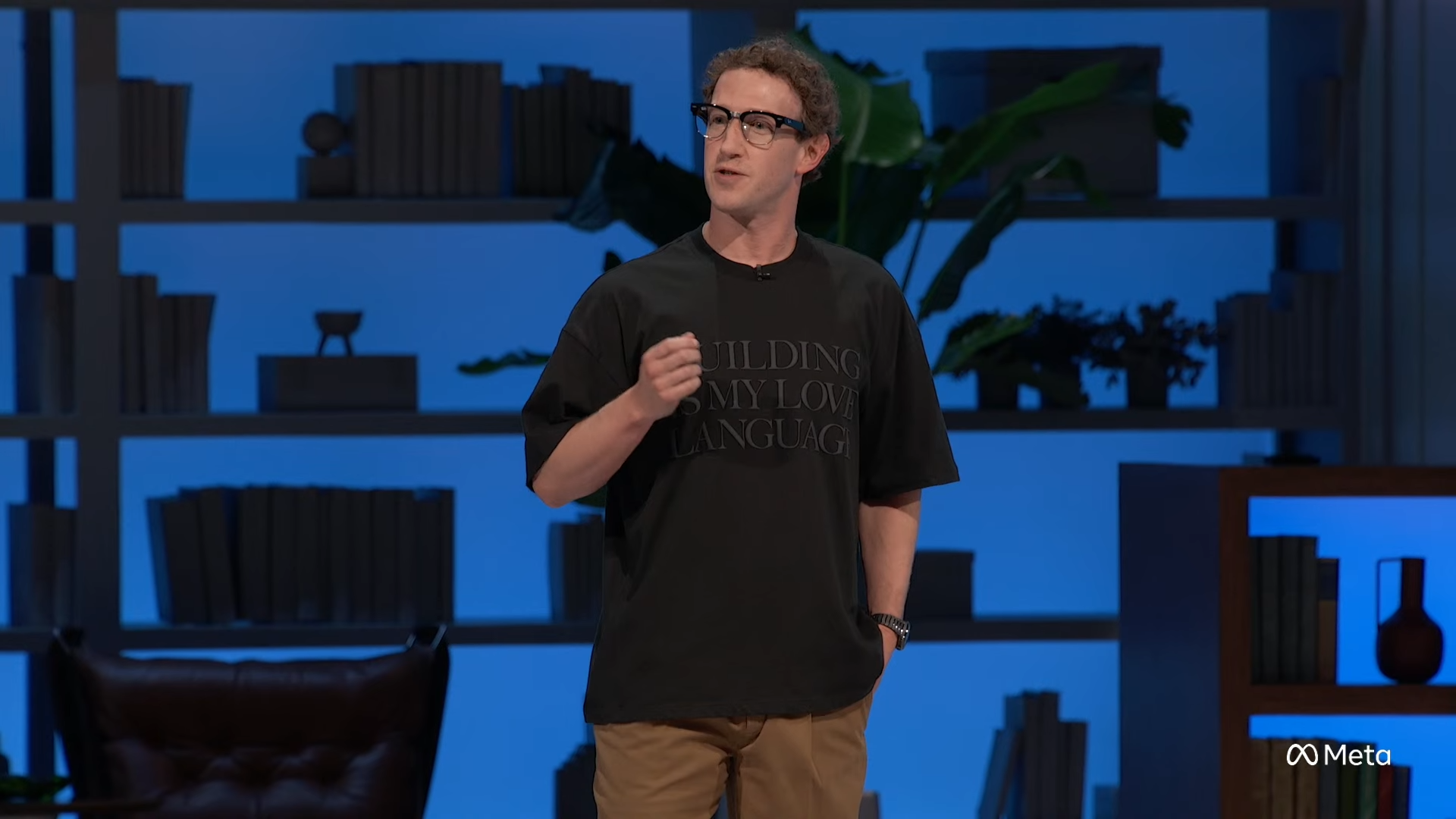
Mark Zuckerberg met a year of harassment reports at Connect 2026 by restating the glasses' recording light, while Meta took 94% of first-half shipments. The resistance is coming from bystanders and the places they gather, in Australian council bans and London venues weighing their own.
The Product Desk · Product desk
What happened
- Mark Zuckerberg's Connect 2026 keynote launched VR glasses, audio-only glasses and a Muse AI pendant, and Tom's Guide says the apology it was waiting for never came.
- Dozens of reports this year showed smart glasses used to record and harass people, many of them women, with the clips amplified on Instagram and other platforms.
- A paid trade grew up in removing or disabling the recording light on Meta's glasses so the people being filmed would not know.
- Meta pushed a firmware update that blocks video recording when the light is blocked or disabled, and it banned a number of Instagram accounts.
- Several Australian local governments voted last week to ban smart glasses from more public spaces.
Compiled by The Product DeskSomething wrong?How this is made
Why it matters
- exposure The person harmed when the light is defeated is a bystander with no account and no purchase, so the product's failure lands on someone Meta's settings never reach.
- contradiction Shipment growth cuts against the idea that privacy failures now shape reception across the board; the evidence shows them shaping venues and institutions while buyers keep buying.
- constraint Public-space bans cap where camera glasses can be worn however many are sold, so a deployment that depends on public settings can lose them by council vote.
- decision Operators allowing camera glasses have to write rules that assume the light can be defeated, or choose audio-only models and give up the camera's uses for people with vision problems.
A University of Sydney paper published in August documented the practice: Instagram influencers regularly using Meta smart glasses to harass women in public or semi-public settings [5]. The woman being filmed never bought the glasses. At Connect, the only protection Zuckerberg described for her was the light on the frame. According to Tom's Guide, the rest of his privacy segment covered what Meta can see of a wearer's interactions with its Muse AI [14][15].
"We built several leading privacy features for glasses from the beginning as well, including the light that turns on any time you take and save a photo or video," Zuckerberg said in the keynote, "and it disables capturing images and videos if that light gets tampered with" [14]. The "from the beginning" claim sits beside a tamper lockout that Tom's Guide describes as a firmware update [7]. Tom's Guide also says it took Joanna Stern's reporting to alert Meta that people were modifying the glasses at all [12].
Zuckerberg said the pairs bricked because their recording lights had been tampered with came to "less than one tenth of a percent" [13]. Tom's Guide puts that at several thousand glasses [13]. EssilorLuxottica, which makes Meta's glasses, says it sold 2 million pairs across 2023 and 2024 and 7 million in 2025 [17]. If those 9 million pairs are the base, a tenth of a percent is 9,000 [1].
Buyers kept buying. Counterpoint Research reported first-half shipments up 263% year over year, with Meta accounting for 94% [16]. IDC predicts the market will reach 13 million units this year and 25 million by 2030 [18]. The privacy record is shaping reception among the people who decide where the glasses may go, and nothing in those shipment figures shows it reaching buyers [16][18]. Restaurants, pubs and theaters in London are considering bans [9], and ICE bars its officers from using smart glasses [19]. Over the summer DuckDuckGo released its own "smart glasses," which were ordinary sunglasses with no technology in them [6].
Tom's Guide read the new audio-only glasses as a response to the backlash, and not enough of one [21]. Zuckerberg rejected the premise in his interview with Stern. "We didn't decide to design this because people had some questions two months ago," he said [10]. He also said Meta has added privacy features over time but should have done a better job advertising them [11].
Better advertising would reach buyers, and buyers are already buying [16]. The operator deciding whether staff may wear camera glasses, or whether a venue lets them in, is answering for the people nearby. That decision splits on two questions. The first is whether the task needs a camera. The second is whether the people nearby chose to be near one. Where both answers are yes, I would allow the glasses with a written rule that assumes the light can be off. Where the task needs a camera and the public is present, Australian councils are already voting that setting away [8], so expect to lose it. Where no camera is needed, in either setting, the audio-only model is enough. I would write every policy for the case where the light has failed, since the bricked pairs show wearers tampering with it [13]. The cost falls on the people the cameras help: Tom's Guide notes that camera glasses tell wearers what is around them and aid people with vision problems, and a no-camera rule takes that away [20].
What to watch
- Whether more Australian councils extend their bans, and whether London restaurants, pubs and theaters move from considering bans to adopting them.
- Whether Meta publishes a count of tampered or bricked glasses more precise than Zuckerberg's "less than one tenth of a percent".
- Second-half shipment figures from Counterpoint and IDC, to see whether venue bans start to show up in what buyers do.