Science1 publisher2 min readPublished
Sickle cell went 113 years from first case report to approved gene-editing treatment
Kevin Davies's Curved Air follows a single point mutation from its 1910 case report to the two gene therapies approved in December 2023, and Davies calls the disease underfunded and forgotten by much of medicine and pharma.
The Scientist · Science desk
What happened
- Casgevy and Lyfgenia were both approved in December 2023 for a disease caused by a recessive point mutation in the gene for beta-globin, first described in the medical literature in 1910.
- Kevin Davies's popular science book on the disease, Curved Air, is published this month, Sickle Cell Awareness Month, by Harvard University Press.
- Before CRISPR the only effective therapy was hydroxyurea, a generic chemotherapy drug, for a United States patient population Davies estimates at 100,000.
Compiled by The ScientistSomething wrong?How this is made
Why it matters
- constraint The 100,000 estimate anchors an access argument the interview cannot settle, because no count of patients dosed since December 2023 appears alongside it.
- exposure Any gap between approval and delivery falls on a group Davies describes as almost exclusively persons of color already reporting discrimination in care, so the same population absorbs both failures.
- precedent One participant's publicity brought others into the Vertex trial, giving sponsors of editing trials in small patient populations a reason to treat patient advocacy as part of enrollment.
- contradiction Davies calls the disease underfunded and forgotten while quoting Beam's CEO calling it the most famous genetic mutation in the world, so textbook fame and clinical investment moved separately here.
Casgevy does not aim at the mutation it treats. Davies told GEN the therapy works "not by fixing the SCD mutation directly" [19]. The disease is a recessive point mutation in the gene for beta-globin [2], the one Linus Pauling called "the first molecular disease" in 1949 [11]. On that description, the therapy changes a different base from the one that causes the disease [23].
The medical literature first described the disease in 1910 [3], Pauling attached his label in 1949 [11], the first sickle cell patient underwent CRISPR cell therapy in July 2019 [6], and the two approvals came in December 2023 [1]. That is 113 years from case report to approved therapy [20], and 70 from Pauling to the first treated patient [21].
For most of that stretch the only effective therapy was hydroxyurea, a generic chemotherapy drug [12]. Davies puts the United States patient population at an estimated 100,000 [13] and said the community "has been waiting an eternity for something to get excited about" [14]. The interview does not include a count of how many people have received Casgevy or Lyfgenia, or a price for either [22]. The neglect argument rests on the pre-2023 treatment record and on Davies's own judgement.
He said he found it ironic that CRISPR "should find its first clinical success treating patients with a disease that, many would argue, has been underfunded and forgotten by large sections of the medical and pharma communities" [9]. The book's impetus, by his account, came partly from John Evans, CEO of Beam Therapeutics, who described sickle cell in a GEN interview about five years ago as "the most famous genetic mutation in the world" [10].
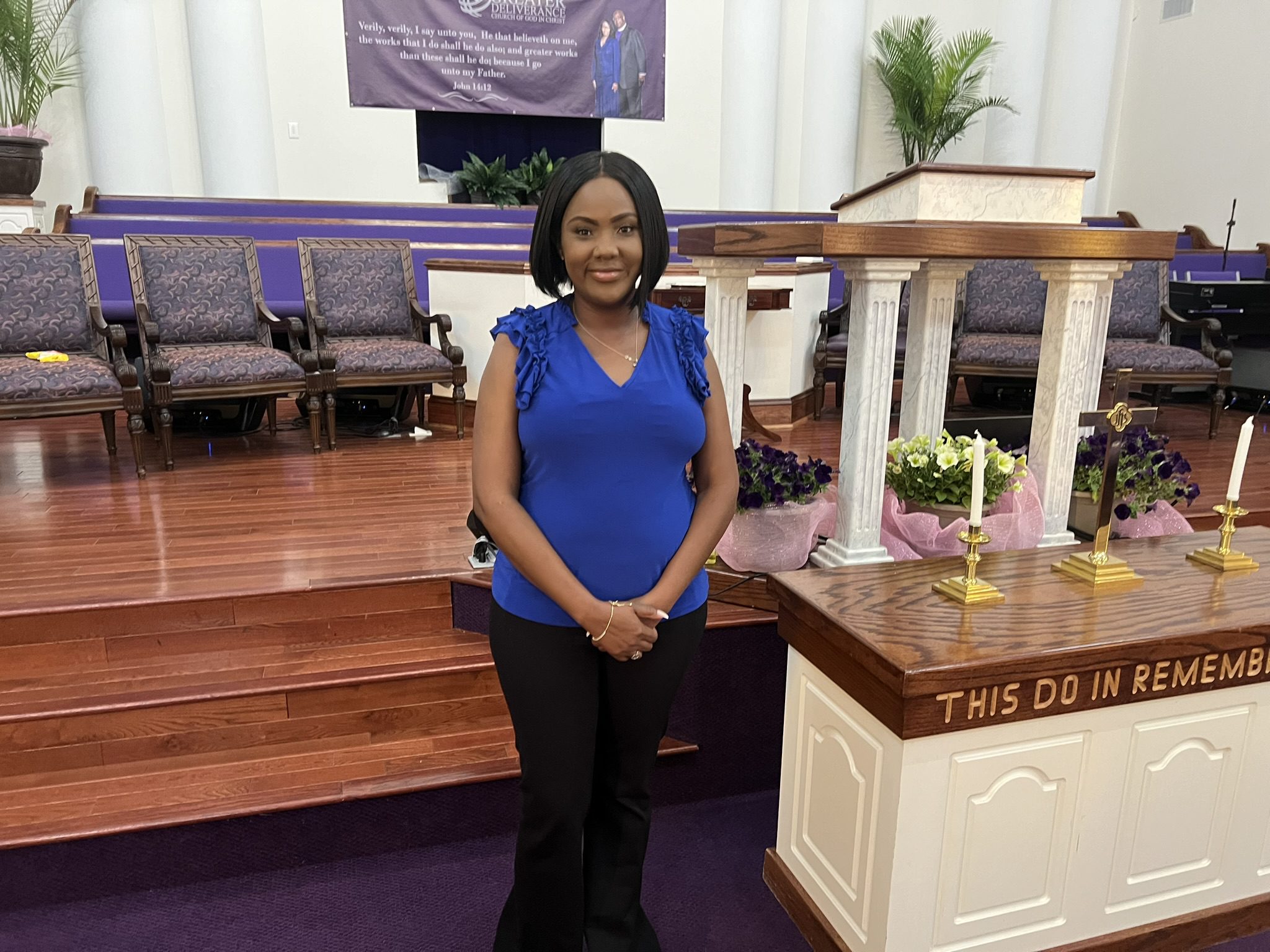
Victoria Gray, treated in 2019, discussed her therapy and recovery in a series of interviews on National Public Radio [7]. By going public she "literally inspired other warriors to enroll in the CRISPR trial", Davies said [15]; Vertex sponsored it [8]. Enrollment in the trial that produced the first clinical success thus depended in part on one participant's willingness to talk, in a population Davies describes as almost exclusively persons of color and as subject to discrimination in the medical system on both sides of the Atlantic [18]. Davies said he is "thrilled that she's healthy" and that she now works as a patient advocate [16]. He interviewed her in her local church in Mississippi [17].
What to watch
- A published count of patients dosed with Casgevy or Lyfgenia since December 2023.
- Long-term follow-up on the Vertex trial cohort beyond Davies's report that Gray is healthy.
- A firmer United States prevalence figure than the estimated 100,000 Davies cites.