Leadership1 distinct publisher3 min readPublished
SB 1090 would freeze SB 1123 in Altadena until 2030. Few rebuilding applications have used that law so far, which is why the durable output of this vote is a carve-out template rather than a unit count.
The Board Room · Leadership desk

Compiled by The Board RoomSomething wrong?How this is made
A geographic suspension with an expiry date is a cheaper instrument than a repeal, and that is what makes it likely to travel. California spent the better part of a decade weakening exclusionary zoning and pulling some supply decisions away from local governments that would not permit enough homes [11]. SB 1090 leaves that architecture standing and lifts one community out of one law for a defined period [4]. A legislator can vote for both without ever casting a vote against state preemption, and that property is what other legislatures will notice.
The suspension's four-year window carries more weight here than the acreage it covers. The fires burned in January 2025, and Vox reported rebuilding across the LA area was still slow more than a year and a half later [1][2]; a bill passed by the August 31 deadline and running to 2030 therefore takes roughly four years off the table [14]. That covers most of the period in which insurance proceeds and construction loans are actually spent. Inside it, the ceiling on a vacant single-family lot falls from up to 10 homes under SB 1123 to the four units SB 9 has allowed statewide since 2021, a difference of as much as six homes per lot [5][6][15].
The board-deck version of this is that the effect is small. Only a small share of Altadena rebuilding applications have relied on SB 9 or SB 1123 so far, and Altadena is a single unincorporated suburb about 14 miles north of downtown Los Angeles [7][12]. That count of units holds up, but it misses the mechanism the bill actually sets in motion. A carve-out that costs almost nothing in foregone permits is one a legislature can be asked for again the next time a disaster produces a constituency with a strong claim on public sympathy.
The people asking know this cost firsthand. Neil Tyler, a survivor who supports the bill and is rebuilding his own home, told Vox that the prospect of a developer turning burned lots into clusters of 10 homes "exploded into the community's fear and opposition and pretty much outrage over someone trying to profit off the backs of all of our pain and suffering" [9]. Other owners in the same neighborhood, holding meager payouts against high construction costs, went looking for added density because it was the only way a rebuild penciled out, or sold their lots and left [8]. The bill resolves that conflict in favor of the first group.
The record here is a single opinion column, and it is thin in specific ways. Vox describes the suspension as applying to SB 1123 in Altadena, does not describe SB 1090 reaching SB 9 or the Palisades, and puts no number on the applications filed [16][7]. Its own conclusion is that the local level is the wrong one for housing supply decisions, and that comparable state laws elsewhere need to survive exactly this kind of pressure [13][10]. What follows from the evidence is narrower: the drafting of the next statewide housing bill, in Sacramento or in the states that copied California, now proceeds with a worked example of how to be exempted from one.
Ranked by verification strength, evidence, and original report placement.
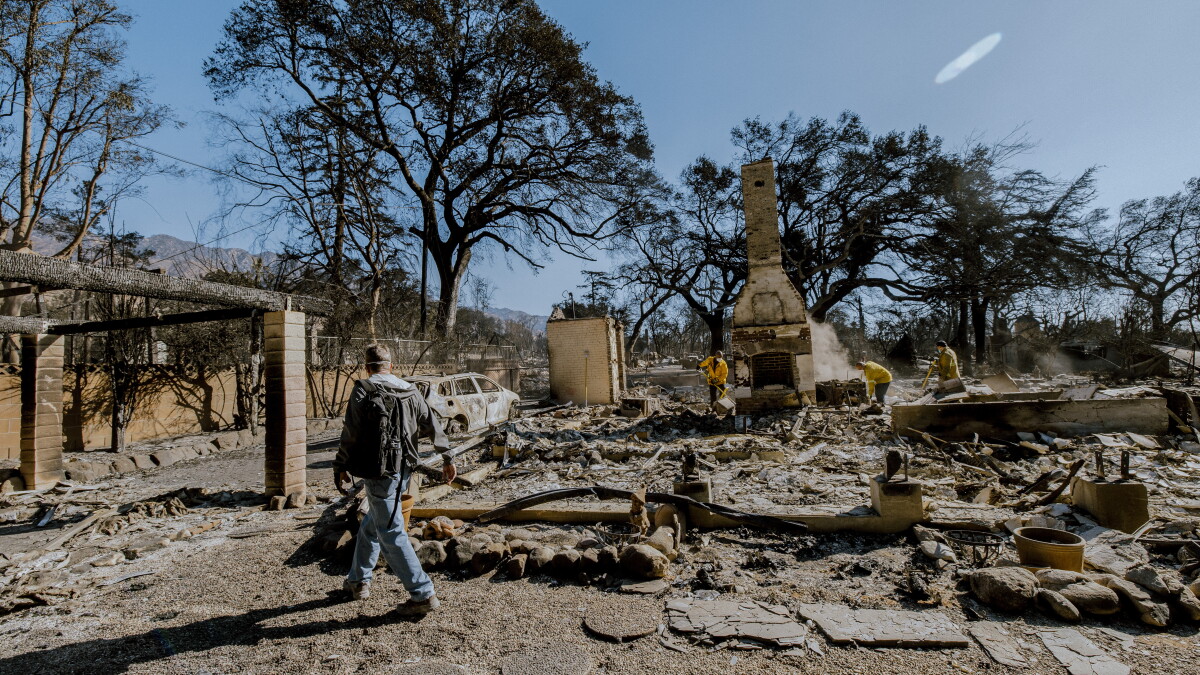
Catastrophic wildfires in January 2025 destroyed entire neighborhoods in Altadena, the Pacific Palisades and other Los Angeles-area communities.
More than a year and a half after the January 2025 fires, rebuilding in the affected LA-area communities remains painfully slow, according to Vox.
The LA region was already desperately short of homes and has one of the most expensive housing markets in America.
By August 31, California's legislature could pass SB 1090, which would suspend SB 1123 in Altadena until 2030, blocking the additional housing it would have allowed.
SB 684 and its subsequent expansion SB 1123 made it possible to subdivide vacant lots zoned for single-family houses and build up to 10 smaller homes on them.
Senate Bill 9, passed in 2021, overrode local zoning to enable homeowners statewide to build up to four housing units on their lots.
Distinct publishers with included, body-backed reporting in this cluster.
1 article · August 28, 2026
Follow any of these and your For You feed starts watching them — no settings page required.
leadership
Senator Merkley asks two childcare chains for the memos they wrote when they bought in1 distinct publisher
leadership
OpenAI writes the Pentagon's looser human-control standard into its own policy1 distinct publisher
leadership
Trump's ballroom case is a standing case, and permitting-exposed firms should read it that way1 distinct publisher
leadership
Cuba has 2.6 times America's doctors per capita. The grid took the health system anyway.1 distinct publisher
Evidence-backed comparisons of source perspectives and observed adoption signals. Read the methodology
Which Builder, Operator, and Investor concerns the observed source mix emphasized—not a truth score.
Evidence, demonstrated adoption, hype gap, incentives, and confidence are assessed independently, each on its own current evidence. How these are measured.
One desk, checkable statutes, uncounted uptake
The statutory spine of this story is the strong part: unit ceilings, dates and the scope of the proposed freeze are all things a reader can verify against California's own bill text. Everything situational is single-sourced to Vox — the slow-rebuild assessment, the share of applications using each law, and the community mood, which arrives through one named interviewee who happens to support the bill. No sponsor, county official or permit dataset appears anywhere in the reporting.
Barely used, about to be unavailable
Vox's own framing concedes that few Altadena rebuilders reached for SB 9 or SB 1123 before the revolt began, and gives no count to size that. So the law being frozen was, on the evidence here, a lightly exercised option — which is precisely why the durable output of this vote is the carve-out template rather than a tally of lost units.
Precedent talk outrunning the unit count
Vox reaches for 'ominous precedent' in its third sentence and then, several paragraphs later, tells you hardly anyone was using the law being suspended. Both can be true — a replicable carve-out is a bigger deal than the homes it forecloses in one suburb — but the piece leans on the alarming register while the measurable stakes stay unquantified. Modestly overstated, not inflated: the legal facts underneath hold up.
An argument piece that says so
This runs under Vox's Future Perfect banner, by a writer who states he has written extensively against local zoning restrictions and who reaches a conclusion he was always likely to reach. The interests around the bill are similarly visible: the one survivor quoted supports SB 1090 and is rebuilding his own home; developers buying burned lots are the antagonist of the community's account. Nothing is hidden here, which is the mitigating part — but no party with an interest in the freeze passing was asked to defend it.
Firm on the law, soft on the ground
We would stand behind what SB 1090 does and what it leaves untouched, because Vox states the scope narrowly and it is publicly checkable. We would not stand behind how much housing is at stake, how slow rebuilding actually is, or how Altadena as a whole feels — those rest on one writer's characterizations, and the vote itself had not happened when this published.