Invest1 publisher2 min readPublished
CSG chair Brian Wessel puts the uninsured shadow fleet at one tanker in five
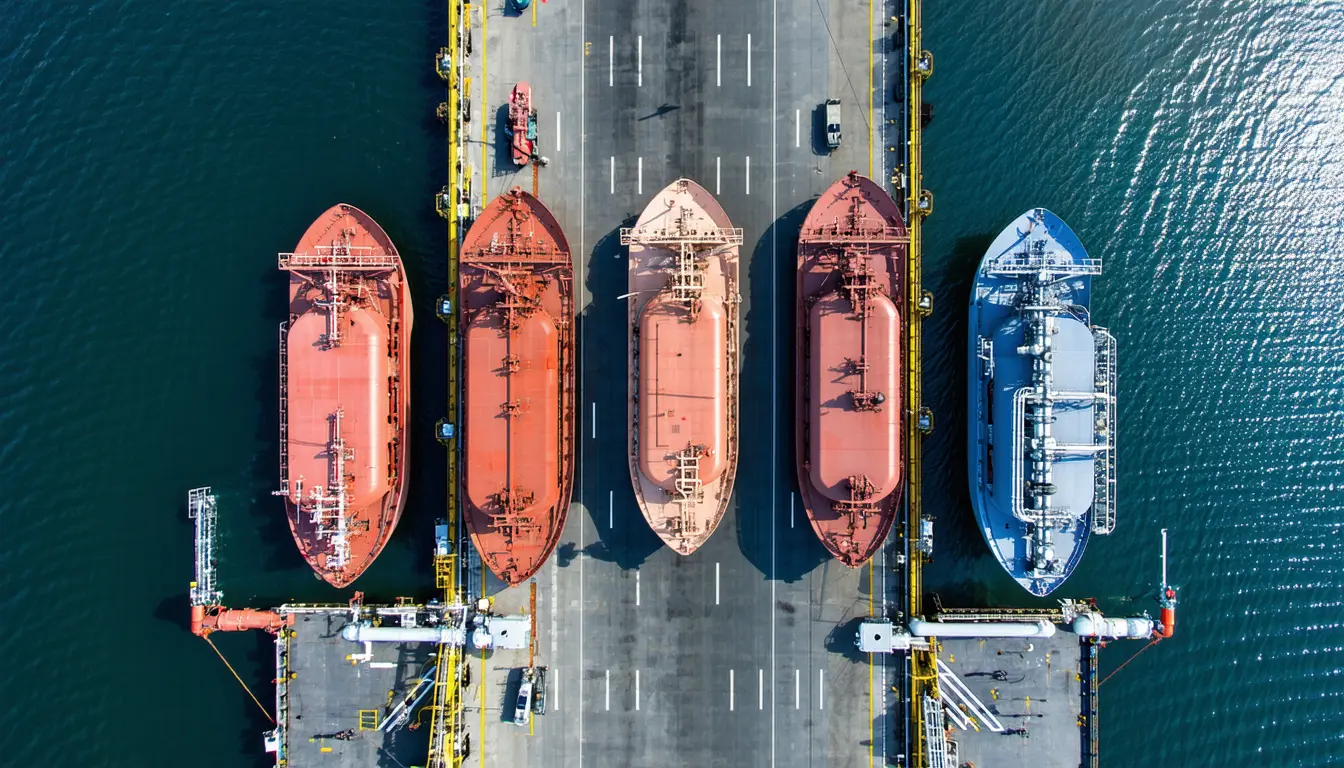
The Consultative Shipping Group's 18 member authorities say chaos at sea is splitting shipping into a tier run by rules and a tier run by opacity, and the single quantity behind that warning is chair Brian Wessel's 20% of tankers.
The Investor · Invest desk
What happened
- The Consultative Shipping Group, maritime authorities from 18 shipping nations, warned in a joint statement on Tuesday of a two-tier maritime system, one governed by rules and the other by opacity.
- CSG chair Brian Wessel put the illegitimate fleets at 20% of tankers, a minority of trade vessels that he said can still have tangible impacts on trade and the environment.
- In the early days of the Iran war, now in its seventh month, the effective closure of the Strait of Hormuz let vessels ignoring international restrictions move through the chokepoint.
- In July the sanctioned tanker Caroline Bezengi, carrying 800,000 barrels and linked to Russia's shadow fleet, began leaking crude near the coast of Oman after an explosion the month before.
Compiled by The InvestorSomething wrong?How this is made
Why it matters
- cost Shadow-fleet ships carry no widely recognized insurance, so the cost of cleaning up a casualty falls on local entities near the coast, and public budgets pay for it before freight does.
- exposure A compliant tanker owner bids for the same cargoes as roughly one vessel in five that pays neither insurance nor IMO compliance costs, and that gap shows up in margin long before it shows up in any rate index.
- constraint Enforcement runs through flag states and the ports where cargo lands, so a ship that registers nowhere and avoids the members' ports is hard for these 18 authorities to touch.
The CSG's scale figures do not sit on one denominator. Maritime trade is more than 30% of world GDP, about $35 trillion, and 41 million jobs in the United States alone [5][6]; divide the dollars by the share and the implied world economy is no more than about $117 trillion [1]. The 80% to 90% of global trade that moves by sea [4] counts volume. And the group's line that "Without maritime trade, supply chains would fragment, and the global economy as we know it would come to a sudden halt" [3] describes the counterfactual of no shipping at all.
How the second tier gets built is more prosaic. A shadow-fleet vessel either declines to register with any flag state or flies a false flag from a country the relevant restrictions have not reached [8], and most shipping nations follow International Maritime Organization rules while these ships do not [16]. Sanctions, tariffs and the conflicts of the past half decade are what made that trade pay [17].
"if you want to transport oil and compete with somebody who doesn't live up to that, that's an uneven playing field," Wessel told Fortune [13]. He also said that without these regulations trade is delayed, supply chains strain and consumer prices rise [15], but he did not attach a number to that claim. His stated reason for saying it in public: "we want to warn that these events slowly undermine a system that has been well functioning and maybe has been taken for granted" [14].
The document quantifies one thing: the 20% tanker share. It gives no war-risk premium for the Gulf, no charter index, no claim number from the Oman casualty [3]. The evidence supports a narrow reading. The CSG has documented a competitive asymmetry between insured and uninsured tonnage and asked for enforcement, and the cost to a compliant owner is what it spends and its competitor does not.
It could run two other ways. Enforcement tightens, sanctioned tonnage is detained or priced out, and compliant tanker earnings rise; owners gain and charterers pay. Or the parallel fleet outlives the war, because the hulls that sanctions and tariffs created keep finding cargo that needs them [17]. Either version is settled by the same two series, the shadow share measured twice and compliant tanker earnings set against sanctioned-trade rates, and the statement reports the share once with nothing earlier to compare it with [3].
What to watch
- A second CSG reading of the shadow-fleet share: 20% is a level, and a trend would change the argument.
- Gulf war-risk premiums and the earnings spread between compliant tonnage and sanctioned-trade rates.
- Port-state detentions of falsely flagged tankers, the enforcement route CSG members have worked for years.