Product1 publisher3 min readPublished
Snap launches Specs into a glasses market where Meta already holds 70 percent
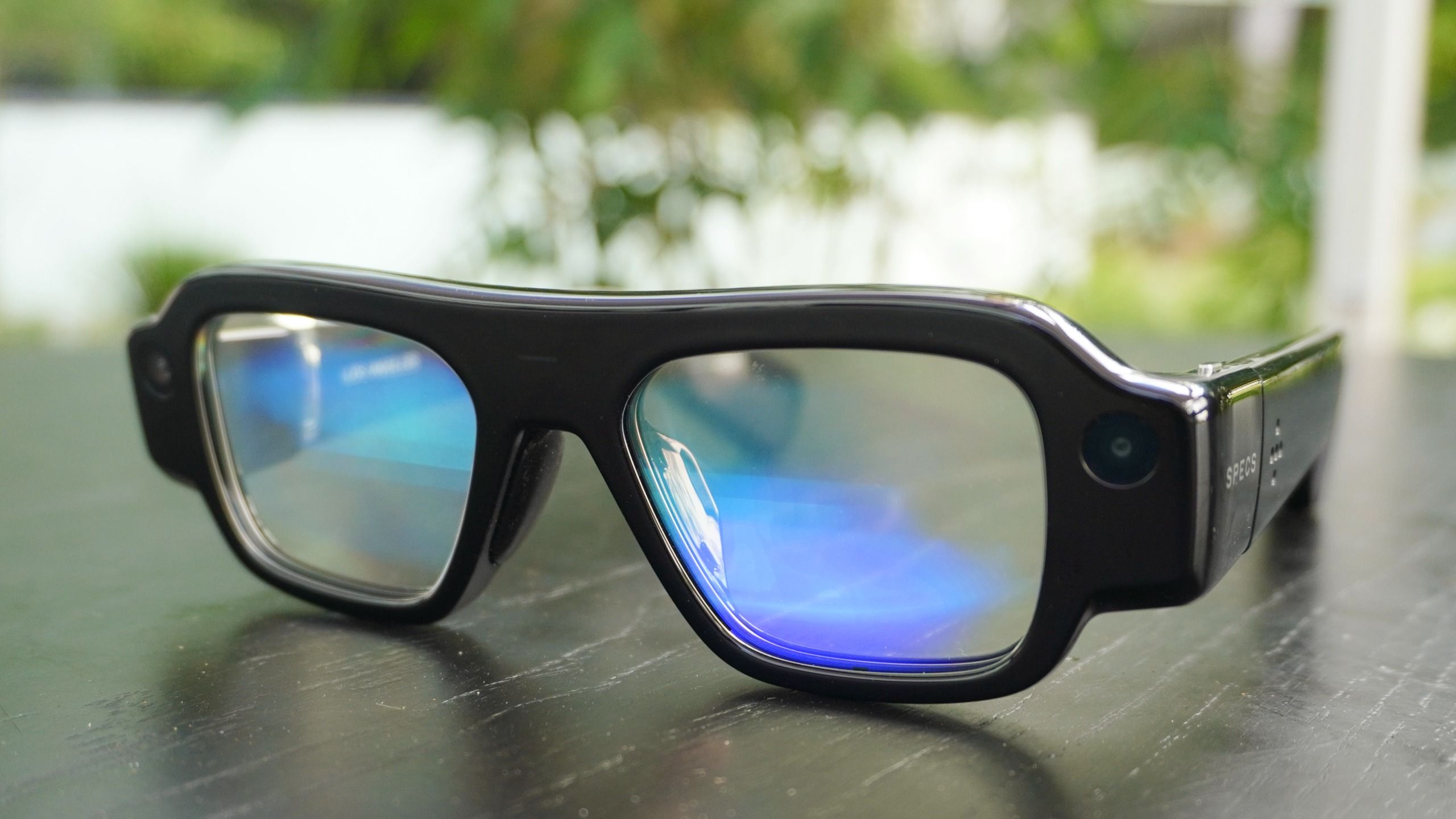
Snap launched consumer Specs with an operating-system pitch but did not say when they ship, into a smart-glasses category that IDC says has cooled sharply since the first quarter and where Meta holds 70 percent. Spiegel said most of the show would be live demos.
The Product Desk · Product desk
What happened
- Snap unveiled the Specs at AWE 2026 in June with a nebulous fall release date, and the official consumer launch event came months later.
- Tom's Guide, reporting from the launch, said the event finally makes the Specs a reality even though the actual ship date is still unknown.
- Snapchat also launched its own AI at the event, Snap Intelligence, which Snap says will "anticipate your needs".
Compiled by The Product DeskSomething wrong?How this is made
Why it matters
- constraint Developers with budget for one glasses platform will spend it where the users already are. That leaves Snap funding the early Specs catalogue out of its own budget.
- decision Anyone assigning engineers to Specs now is committing to a calendar Snap has not published, and a slip lands on the partner's roadmap.
- contradiction IDC expects the autumn hardware wave to revive growth while warning that entrants are converging on the same business models, and the next event it points to belongs to the incumbent.
- capability If shared experiences really sit inside the operating system, Snap can sell two people looking at the same virtual object in the same room. A phone camera app cannot do that.
A reviewer who tried the consumer Specs at Snap's launch event found them more comfortable than expected, and also watched the giant arms squish other people's ears [13]. Set against the older developer Specs the consumer pair is slimmer; set against ordinary glasses it is chunky and thick [13][17].
IDC's numbers, as reported by Tom's Guide, leave less room than launch day suggests. Meta has 70 percent of smart glasses on the Ray-Ban Meta audio line, and RayNeo is second at 3.6 percent [5]. That leaves 26.4 points for everyone else, Snap included [6]. Growth has cooled as well. IDC has shipments up 35 percent in 2026 against the 130 percent increase it tracked in the first quarter [4]. The full-year rate is about a quarter of the first-quarter rate [16].
Snap made an operating-system claim. Spiegel said Snap built the first native AI for glasses and made shared experiences a foundational part of the operating system [11]. Russell Patton, product manager for Specs at Snap, told Tom's Guide that "it's going to be that shift from phones to glasses, and I think it's not just taking the apps that are on our phones and putting them into glasses" [9].
Whether that claim holds up depends on who builds on Specs. The account of the keynote, filed live from the theater and breaking off mid-sentence during the demos, says nothing about SDK terms, app store plans or developer economics [18].
Spiegel framed the product in terms of people. "Making people irrelevant is not progress. Computers should make us more important not less," he said [10]. He also said the glasses can see what the wearer sees and understand the world without recording it [15]. IDC, in the same forecast Tom's Guide cited, flags privacy concerns and a dulling of innovation as companies adopt similar business models, and still expects the autumn wave of devices plus Meta's Connect event next week to drive growth [8].
For a team with one quarter to spend, the first question is whether the thing you would build stops working when the wearer's hands are full and the camera has to see what they see. The second is whether your revenue needs an install base this year. If you fail the first test and need the second, the work goes where the users are. If you pass the first and can wait, Snap's shared-experience operating system is where that work goes.
Tom's Guide names Specs' first real rival as the unreleased Xreal Aura, built with Google, which offloads its computing to an attached puck and has a larger field of view and a crisper display, plus more connectivity features than Specs [14].
What to watch
- Snap publishing a ship date and a price for the consumer Specs.
- IDC's next share figures, after Meta's Connect event and the rest of the autumn launches.
- Developer terms: SDK access and the revenue split for third parties building on Specs.