Product1 publisher3 min readPublished
Meta's recording light asks bystanders to police a camera they cannot see
A rage-bait creator filmed a transfeminine designer at a Delhi protest through Wayfarer-styled Meta glasses. The only warning the product offers is an LED, and tutorials already teach wearers how to cover it.
The Product Desk · Product desk
What happened
- Shubnam, a transfeminine designer in Delhi, learned they had been filmed at a spring protest only when a friend sent the video, and the creator had used Meta glasses styled to look like ordinary Wayfarers.
- Cut into a mocking reel, the footage drew millions of views along with transphobic abuse, reaction videos and AI-generated memes, spread from Instagram to X and YouTube, and copies are still up.
- Delhi police used Meta smart glasses in June to record thousands of young demonstrators protesting problems with India's education system.
Compiled by The Product DeskSomething wrong?How this is made
Why it matters
- constraint A signal the wearer controls gives the person being filmed nothing to act on, so the only enforcement the product supports is a bystander noticing a light that can be taped over.
- exposure Cutting the entry price by about three quarters puts covert-capable cameras on faces well beyond early adopters, and the people most exposed are the ones Świerczyński names: women and marginalized groups.
- precedent With police using the same glasses and the solicitor general calling the students' petition luxury litigation, buyers and sellers in India have little reason to expect an official cost for covert filming.
- decision Any employer issuing camera glasses to field staff inherits the LED as its entire consent story and has to decide, in policy, what it adds on top of a light.
The consent control on Meta's glasses is a small LED in the frame that lights when recording starts. For it to protect anyone, the person being filmed has to notice the frame and know what the light means. Janusz Świerczyński, an Oxford Saïd Business School researcher who studies privacy and emerging technology, told MIT Technology Review that Meta rejects the idea that it is responsible for protecting people from intrusions and leans on wearers to behave responsibly. "More and more, the expectation is being placed on bystanders to look out for themselves," he said.
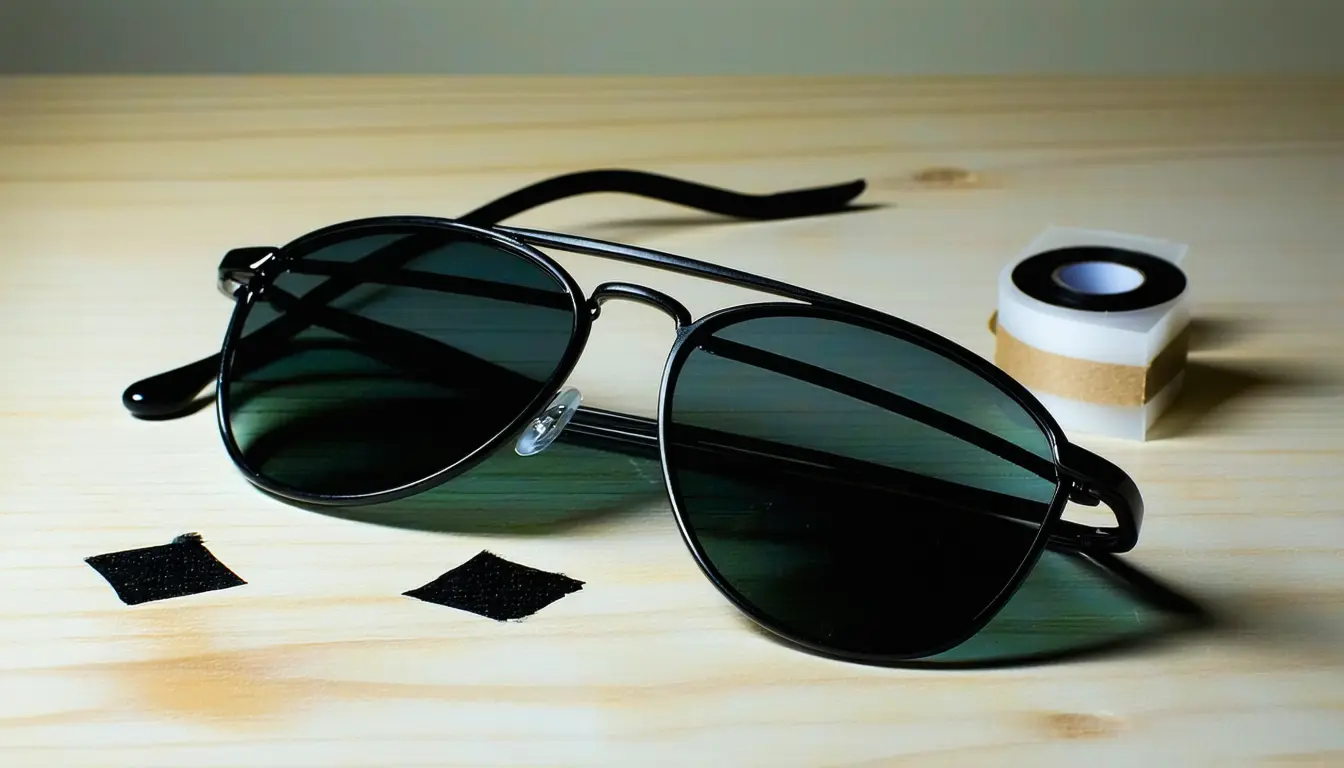
The design assumes the wearer leaves the light alone. Tutorials show how to cover or obscure the LED while recording continues, and Wired documented a market in March for stealth mode modifications that physically disable the light or remove it entirely.
Świerczyński says women and other marginalized groups face greater harm when inconspicuous devices capture and circulate footage without consent. "All it took was one unconsented video to rewind two decades of progress that I made all on my own," Shubnam told MIT Technology Review. The effect on Shubnam shows up in what they wear: they have not put on a sari outside their neighborhood since.
Price is the part that decides how many cameras are in the room next year. Meta's latest model carries a $420 price tag in India. Reliance Jio says it will launch a rival under $105 later this year, which is at most a quarter of Meta's India price, a cut of roughly 75 percent at the entry point. IDC already counts smart glasses among the fastest-growing devices in India's wearables market. Jio did not respond to MIT Technology Review's request for comment on privacy issues related to its glasses.
The police are using the same hardware. In June, Delhi police used Meta smart glasses to record thousands of young demonstrators protesting problems with the education system. A petition before the Delhi High Court from Aishe Ghosh, former president of the Jawaharlal Nehru University Students' Union, alleged that police filmed protesters continuously for weeks, including while they were eating and resting, and threatened to send the footage to their parents and colleges. In July, India's solicitor general dismissed the case in court as "luxury litigation."
For anyone shipping a capture device or handing one to staff on Monday, the test has two parts. Does the signal survive a wearer who wants it gone, and does it reach someone who was not told to look for it. Meta's LED fails on both counts: it comes off with tape, and the frames are styled to look like ordinary Wayfarers so that targets may not notice they are being recorded at all. The controls that would pass cost the wearer something real, such as capture that stops when the indicator is obstructed, or a tone the subject can hear. Those controls make a worse product for the person paying $420. Meta has not shipped them. Meta relies on wearers to behave responsibly. An employer issuing these to field staff is relying on the same thing, and its name is on the footage.
What to watch
- Whether Reliance Jio ships its sub-$105 glasses this year, and what recording indicator it puts on them.
- What the Delhi High Court does with Aishe Ghosh's petition after the solicitor general's response in July.
- Whether Meta changes the indicator so capture stops when the LED is covered.