Science1 publisher2 min readPublished
Reprogrammed fat cells have held one type 1 diabetes patient off insulin for nearly three years
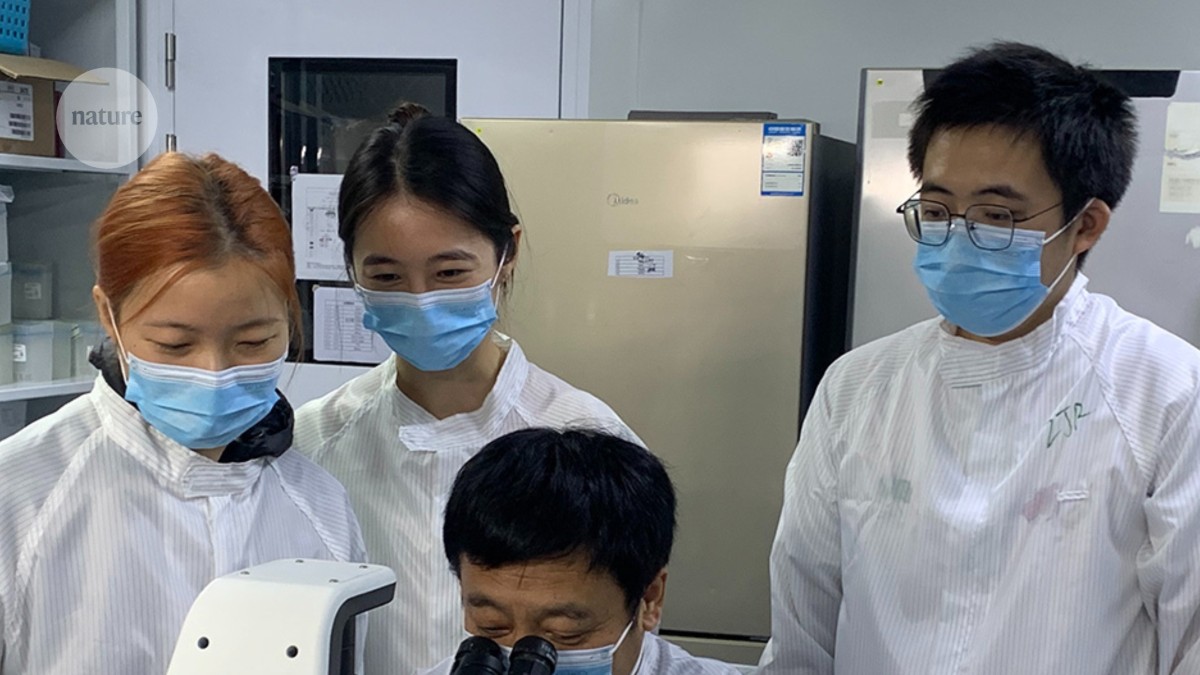
A Beijing team turned one woman's fat cells into pancreatic islets, and within two months she stopped needing insulin injections. Nearly three years of steady blood sugar is the longest result reported, in a single patient.
The Scientist · Science desk
What happened
- A Peking University team reprogrammed a patient's own fat cells into induced pluripotent stem cells, guided them into pancreatic islets, and injected those islets back into her.
- Within a couple of months her blood-sugar levels were healthy and consistent with no insulin injections, and her team's leader says she was still doing well nearly three years on.
- In type 1 diabetes the immune system destroys the pancreatic beta cells that make insulin, which is why patients need lifelong insulin therapy to stay alive.
- Up to 10% of the global population has at least one autoimmune disease, and prevalence is climbing for reasons researchers have not worked out.
- Stem-cell treatment of autoimmune disease started about three decades ago with bone-marrow haematopoietic stem cells, which can become only blood and immune cells.
Compiled by The ScientistSomething wrong?How this is made
Why it matters
- constraint Each graft is grown from the recipient's own biopsy, so a manufacturing facility's capacity is counted in patients per year and no inventory can be built ahead of demand.
- decision Miller's condition sets the planning unit: a team cannot read a diabetes result across to lupus or Graves' disease, because each indication needs its own trial programme first.
- contradiction Russ describes a technology already in the clinic while Miller describes years of meticulous per-disease trials still to come, and which one is right decides whether this is a five-year or a twenty-year timeline.
This is a result in one patient. The Nature feature follows this woman's blood sugar through nearly three years, in a trial described in a 2024 study co-authored by the immunologist who led the work [8], and the account of that trial covers her alone [23]. Insulin independence in one person shows that the route can work in a human being, and establishing how often it works will take a cohort.
The islets were made from the patient's own fat cells, reprogrammed to an embryonic-like state and then pushed forward into hormone-producing clusters [5][6]. The graft is genetically hers, so there is no donor to match [22]. Protecting new beta cells from the immune attack that destroyed the originals is a separate problem, and for decades the available tools were broad immunosuppression or replacing what the body cannot make on its own [19].
She was also an unusual first case. By 25 she had undergone two liver transplants and a pancreas transplant in an effort to treat her diabetes, and she had been through three life-threatening periods of severe hypoglycaemia despite intensive insulin therapy [1][2]. Her diabetes began at about age 15 [20]. "This has had a huge positive impact on her quality of life and overall physical, mental and emotional wellbeing," said Hongkui Deng, who leads the Peking University team [9].
Demand is rising slowly and steadily. Worldwide prevalence of type 1 diabetes has nearly doubled in the past 40 years [13]. Compounded, that is about 1.75% a year, since the fortieth root of two is 1.0175 [21].
Two researchers quoted in the same article put the clinic at different distances. "Ten years ago, this was science fiction," said Holger Russ, a stem-cell biologist at the University of Florida in Gainesville, who added, "Now it's actually happening as we speak" [16][17]. Frederick Miller, an emeritus immunologist and rheumatologist at the US National Institutes of Health, put more work in front of it. "All of these approaches are promising, but there needs to be a lot of tedious, meticulous therapeutic trials done on each disease," Miller said [15]. More than 100 autoimmune diseases are known, and almost none of them has a cure [10][11].
What to watch
- The full cohort from the 2024 Peking University publication: how many recipients, how many reached insulin independence, and for how long.
- Whether trial participants needed immunosuppression to keep the autoimmune process from destroying the new beta cells.
- Whether a second autoimmune indication enters a stem-cell trial with the per-disease evidence Miller describes as necessary.