Product2 publishers2 min readPublished
New York City can now fine subscriptions that make quitting harder than joining
New York City's click-to-cancel rule is in effect, with fines from $525 per violation for businesses that make canceling harder than signing up. Subscription sellers with New York customers now have to let people leave through the same channel they joined.
The Product Desk · Product desk
Drafted by a language model from the sources cited here and checked against its claim ledger before publication. How we use AISend a correction
What happened
- New York is the first city with a click-to-cancel rule in force, after a federal appeals court struck down the FTC's version on procedural grounds.
- Businesses must also explain subscription terms clearly, disclose consumers' rights, and stop asking people to ship back items they were given free.
- A new city portal takes complaints about unclear terms, delayed cancellations, and failures to warn customers that a plan auto-renews.
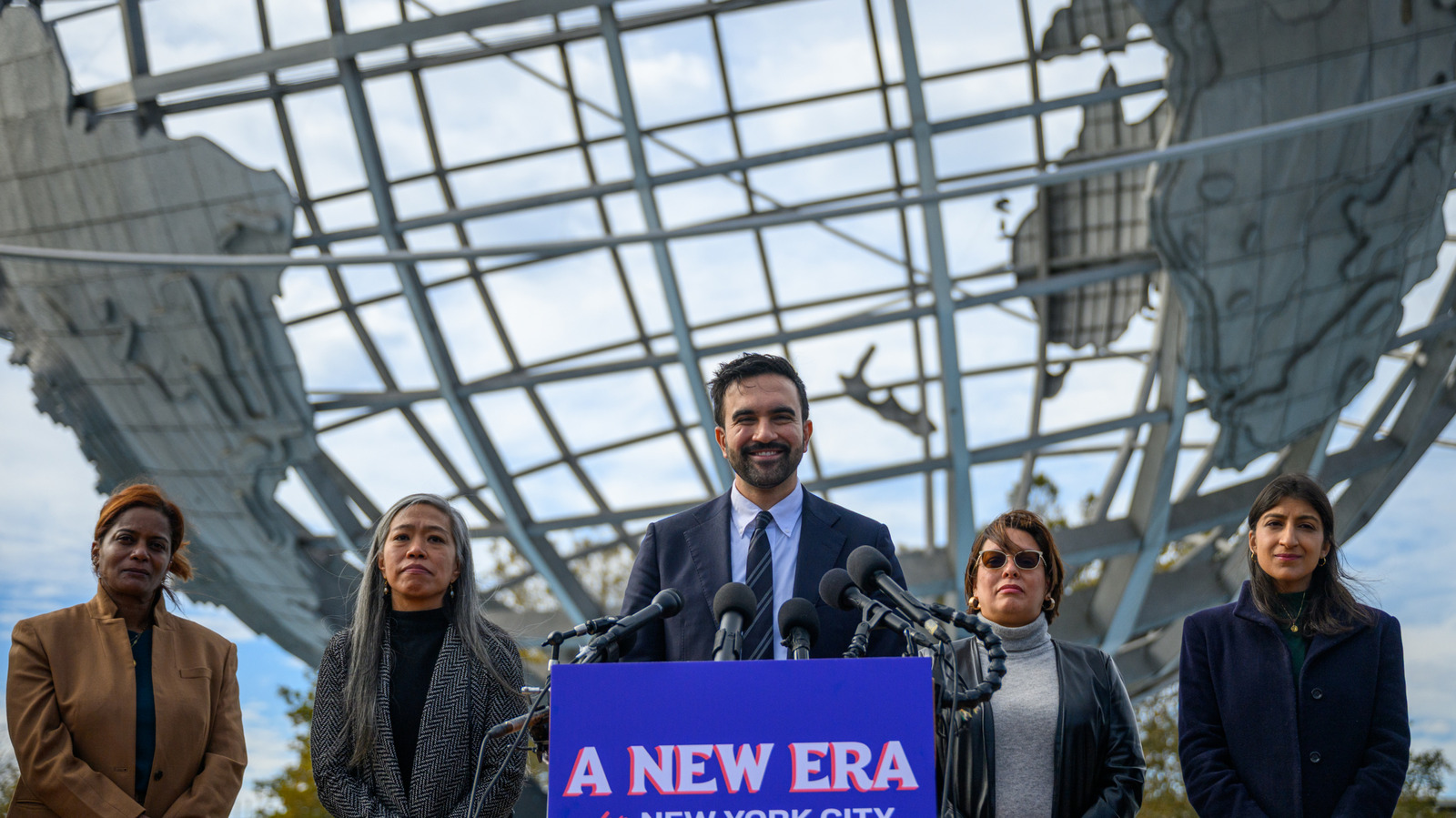
- Samuel Levine, the city's consumer protection commissioner, pushed for the same rule nationally when he was FTC consumer protection chief under Lina Khan.
- The city expects the rule to save New Yorkers between $21.5 million and $162.5 million a year.
Compiled by The Product DeskSomething wrong?How this is made
Why it matters
- exposure Staff read complaints and track them by business. If one company keeps failing to cancel people, the agency has grounds to investigate and take legal action.
- precedent If Levine is right that more cities will act before the FTC, national subscription businesses will have to handle cancel-flow compliance city by city.
- contradiction Engadget says Trump's FTC killed the federal rule. The Verge says Ferguson's FTC has taken a first step toward a similar one. Either way, a national standard is too uncertain to build a compliance plan on.
A New Yorker who joins a gym on its website and is then told to phone or walk in to quit is the city's own example of what the rule bans [1]. That person now has somewhere to send the complaint. Commissioner Samuel Levine said that when consumers file, "they're not going to be diverted into a chatbot doom loop. We're going to have actual people whose full-time job is to help them." [7] The mayor's Public Interest Technology Crew built the portal in 10 weeks [8].
Product teams should read the clause on method twice. Engadget's summary of the rule says cancellation has to be straightforward and "in the same method as sign-up" [3]. The obligation is channel parity. If the customer signed up online, they need an online way out, as in the city's gym example [1].
Teams tend to call the extra step on the way out a save flow. On the city's complaint form it counts as a delayed cancellation [5]. An account held in place by a phone queue still shows as retained on a dashboard. In my view it is closer to a refund the city may later try to recover, since DCWP can seek back money consumers have already paid [6].
The $525 in the rule is a starting figure, charged per violation [4]. The published accounts do not say whether a violation is counted per customer or per blocked attempt.
Levine has already tried the federal route. Of the FTC rule he worked on, he said, "at the end of the day, it took more than four years. And then after all of that, it never actually gave Americans the relief they needed." [10] The city's case for its own rule rests on a savings forecast whose high end is about 7.6 times its low end [1].
The 2x2 I'd use puts sign-up channel on one axis: web or app, or phone or in person. The other axis asks whether cancellation is offered in that same channel. For a New York customer, only the cells marked no carry exposure. A second pass checks each sign-up screen against the rule's disclosure and free-item requirements [3].
I'd ship one parity flow to every customer and skip a New York geofence. Engadget reports that some states already have their own subscription rules [13], and one flow is one thing to test. The cost is losing the phone save conversation for online sign-ups. That conversation goes for every customer, not only New Yorkers.
What to watch
- DCWP's first investigation or legal action against a business with repeated complaints, and whether it counts a violation per customer or per blocked attempt.
- Whether the gym chains Engadget named, Planet Fitness, Crunch and La Fitness, change how New York members cancel.