Product1 publisher2 min readPublished
NSA hands AI and China their own mission centers starting in October
A person familiar with the plan told Nextgov/FCW that five mission directors take charge in October, with full operating capacity targeted for January. Whether the centers replace existing divisions is still unsettled.
The Product Desk · Product desk
What happened
- NSA is preparing a reorganization into five mission centers covering artificial intelligence, China, cybersecurity, combat support and global intelligence, according to a person familiar with the matter.
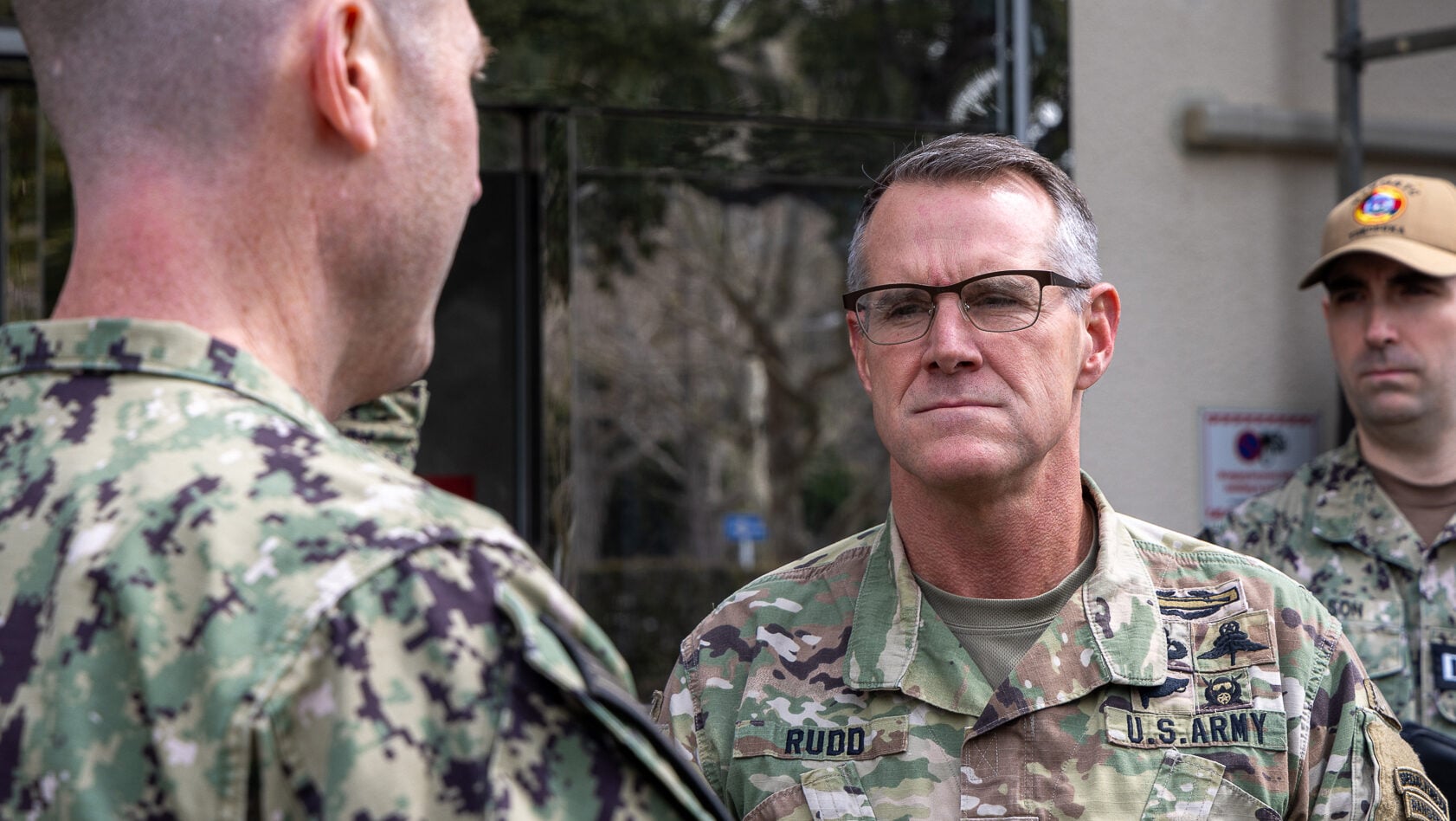
- The plan was developed under NSA head Gen. Joshua Rudd, who also leads U.S. Cyber Command, and would put new mission directors in charge of each of the five areas.
- Mission directors are expected to submit organizational plans in the coming weeks, with implementation starting in October and full operational capacity targeted for some time in January.
- The Tailored Access Operations hacking unit is expected to sit under the global intelligence arm and receive additional resources once the federal budget resets at the end of this month.
Compiled by The Product DeskSomething wrong?How this is made
Why it matters
- decision Vendors with a contact at Fort Meade have to find out whether that person reports into a center holding money and people or into a review layer, because the answer changes who signs.
- constraint A three-month stand-up window means the new centers spend their first quarter writing charters. A quarter spent on charters is a poor moment to expect anyone to start a new evaluation.
- exposure Model developers now deal with one agency that wants broad access to their systems and also decides which releases enter the June order's voluntary hacking-capability review.
- precedent Naming a directorate after a technology sets an expectation that other agencies will be asked why their own org chart does not have one.
An analyst at Fort Meade waits days for an answer. David Imbordino, who runs NSA's cybersecurity directorate, said at the Billington Cybersecurity Summit last week that the agency is exploring AI tools to help analysts sort through enormous quantities of collected information and identify useful material faster, and that the technology could accelerate analysis that currently takes days or weeks [10].
For anyone selling into the agency, the detail that decides how the reorg lands is whether the five centers replace existing divisions or add a management layer over the current structure, and the person familiar with the plan said that remains unsettled [5]. A mission director who inherits budget and headcount is a buyer. One who inherits a review is one more approval between a pilot and a purchase order. An agency spokesperson said the restructuring is meant to help the agency fulfill its critical national security missions "at both speed and scale" and that its "core missions remain unchanged" [8].
Three of the five centers are named for work the agency already does. Two are named for a technology and a country [16]. Deputy Director Tim Kosiba said last month that the agency is engaging leading commercial developers as it seeks broader access to their systems [12]. "We want access to all the models, and we're going to take advantage of that," Kosiba said at an intelligence conference in Bethesda, Maryland [11]. Under a June executive order, NSA's director also determines which advanced models qualify for a voluntary government review of their hacking capabilities before wider release, in consultation with other federal offices [13].
The Nextgov/FCW account carries no budget figures and no vendor names. It gives the new centers roughly three months between the start of implementation and the full-capacity goal, with the organizational plans still to be filed [15][4]. The last comparable reset, NSA 21, launched in 2016 under then-Director Mike Rogers and sought six directorates [14]; the person familiar with the current plan called it one of the most significant organizational changes at the agency in a decade [6].
For a team deciding whether an AI mission center changes its federal plan for next quarter, what matters is whether the named contact controls money and people after October or only sign-off, and whether the product can show a result inside the agency's own January deadline. With both, the reorg is a reason to move a conversation up. If there is money but no result you can demonstrate by January, you are competing for attention with charter-writing. Sign-off only means a new title on the slide and the same buying center.
What to watch
- Whether the organizational plans the mission directors file give the new centers headcount and budget or only oversight.
- Which advanced models NSA's director designates for the June executive order's voluntary hacking-capability review.
- How the reorg changes operational relationships between NSA and U.S. Cyber Command, which the account says is not clear.