Product1 distinct publisher3 min readPublished
Altitude runs on the Enhanced Power and Cooling System are a rig milestone, not a flight one. The point is sequencing: sensors and compute only fit if the heat budget exists first.
The Product Desk · Product desk

Compiled by The Product DeskSomething wrong?How this is made
Thermal margin behaves like a budget that has to be funded before anything can be bought with it. More capable electronics draw more electrical power, and that power comes back as heat the aircraft's systems have to remove [5]. Collins' own framing of the problem is the useful part: cooling capacity can become the limiting factor on what a combat aircraft is allowed to carry [12], and EPACS is sold as the headroom that lets new equipment go in without breaching the jet's thermal limits [4].
Read that as an ordering constraint rather than a product feature. Any mission-systems roadmap that assumes headroom is downstream of a box that Collins says still needs further development before deployment [11]. The infrastructure has to land first, which means the schedule risk on the cooling system is inherited by every capability that was planned on the assumption of spare margin.
What altitude testing buys is narrower than the language around it. It is an early risk-reduction stage that precedes further development and integration [8], and its most concrete output is data feeding the performance models [7]. The detail worth noting is that the runs near the operational limit also covered emergency power [7]. A unit that has to hold power up in a degraded case is not judged the way a cooling accessory is judged; it gets held to availability standards, which is a slower and more expensive qualification path than a sensor tray.
The figures that would let anyone size the claim are absent. Nothing published here states kilowatts of cooling, electrical power handled, or the altitude band covered [13]. Without those, there is no way to tell whether EPACS creates room for one generation of sensors and processors or for several, and no way to check the margin against whatever the next capability drop actually demands. The programme office arithmetic stays private.
There is also a gap between the test and the description of it. Engineers evaluated performance across multiple simulated altitudes over several days at power levels reflecting expected mission requirements [2], while Ira Grimmett, a Collins Aerospace vice president, described the result as validating system performance in real-world flight conditions [6]. A chamber that reproduces altitude is a reasonable place to reduce risk; it is not flight, and the distinction matters when the next milestone is integration.
Collins says the underlying technology could serve other defence and commercial aircraft [10]. That is plausible mainly because the constraint is generic: new sensors, computing hardware and mission systems generate enough heat to pressure the cooling systems already installed [3]. The company that sells the margin gets to define what the margin is worth until someone publishes a number.
Ranked by verification strength, evidence, and original report placement.
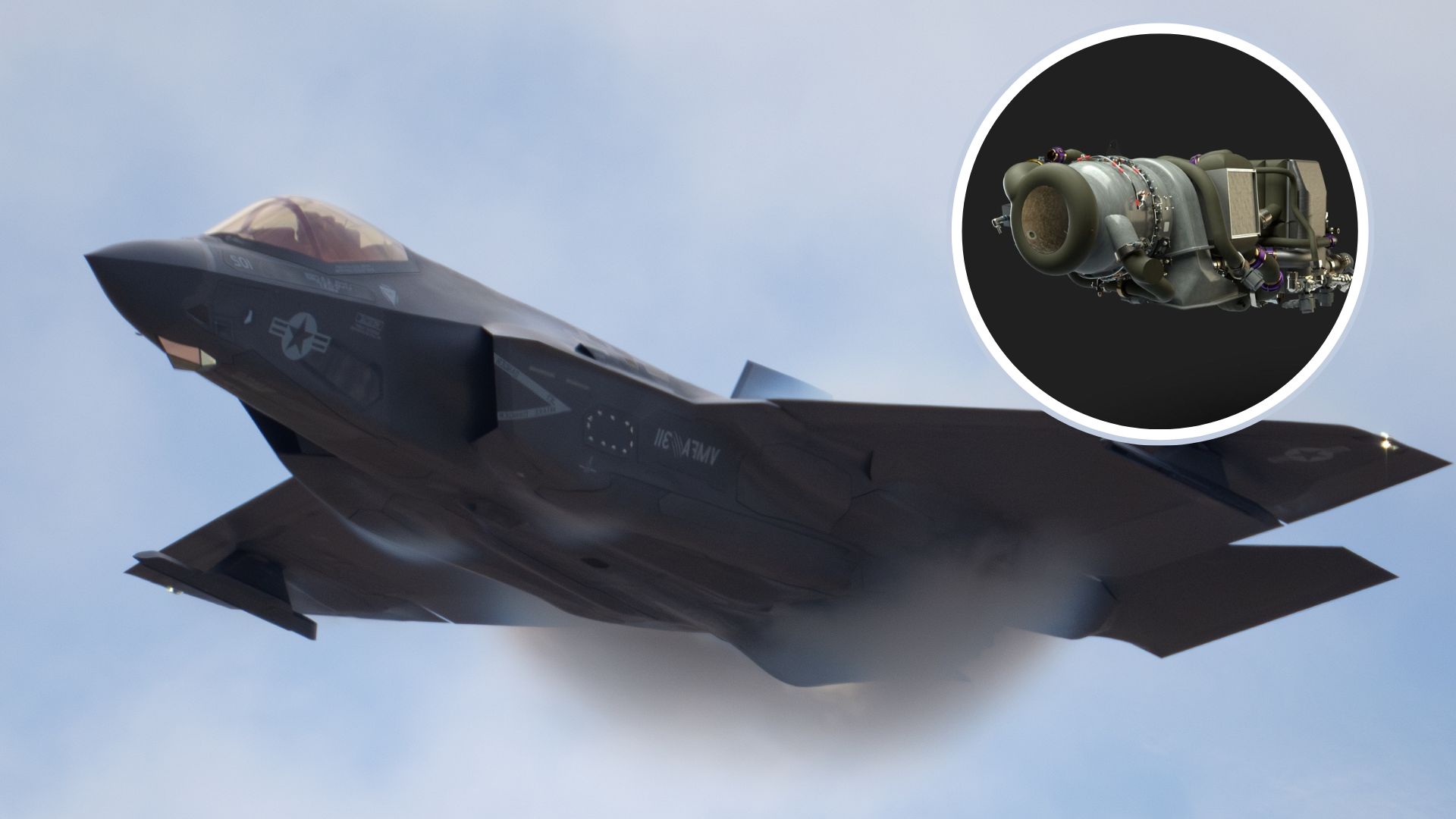
Collins Aerospace has completed altitude testing of the Enhanced Power and Cooling System (EPACS), a power and cooling system designed to give the F-35 more thermal capacity for future technology upgrades.
EPACS was operated for several days under conditions intended to replicate aircraft mission demands, at power levels reflecting expected mission requirements, with performance evaluated across multiple simulated altitudes.
New sensors, computing hardware and mission systems can generate significant heat, creating pressure on aircraft's existing cooling systems.
EPACS aims to provide additional thermal margin so the F-35 can accommodate new equipment without exceeding its thermal limits.
EPACS combines aircraft power management with increased cooling capacity; more capable electronics often require more electrical power and also create additional heat that aircraft systems must remove.
Ira Grimmett, a Collins Aerospace vice president, said "Successful altitude testing validates system performance in real-world flight conditions," and that the results advance the system's development and increase confidence in its performance.
Follow any of these and your For You feed starts watching them — no settings page required.
Evidence-backed comparisons of source perspectives and observed adoption signals. Read the methodology
Which Builder, Operator, and Investor concerns the observed source mix emphasized—not a truth score.
Evidence, demonstrated adoption, hype gap, incentives, and confidence are assessed independently, each on its own current evidence. How these are measured.
Thin: one publisher relaying one vendor account, no figures
All claims trace to a single trade article whose factual content is company-attributed. The test regime is described qualitatively and no cooling capacity, power, or altitude numbers are given, and there is no program-office, prime-contractor, or independent corroboration in the supplied material. What is well established is the existence and character of the milestone, not its magnitude.
Pre-deployment: rig milestone only
The only observable events are development-stage test and integration-requirement milestones reported by the supplier. The article explicitly states the system faces further development before deployment, and there is no aircraft installation, fleet retrofit, production order, or in-service usage disclosed. Adoption is therefore genuinely low rather than merely unreported.
Overstated: rig runs framed as flight validation
The runs were conducted at simulated altitudes on a test rig, yet the headline says the system 'beats altitude tests' for a '1,200-mph jet' and the quoted executive says testing 'validates system performance in real-world flight conditions.' Combined with zero quantified capability and an explicit pre-deployment caveat, the presentation runs ahead of the demonstrated evidence. The gap is moderate rather than severe because the article does disclose the risk-reduction framing and the remaining development.
Supplier-announced milestone, relayed without independent check
Collins Aerospace is the vendor whose development program benefits from perceived progress, and the cluster's factual content, executive quote, and forward-looking 'beyond the F-35' commercial framing all originate with it. The publishing outlet adds a traffic-oriented headline and no countervailing sourcing, so promotional incentive is high and unmitigated in the supplied material.
Moderate on the fact of the milestone, low on its significance
Internal consistency is high and the milestone's existence and stage are clearly stated, which supports moderate confidence in the narrow facts. Confidence in what the milestone means for F-35 upgrade capacity is low: one publisher, one interested source, no numbers, no schedule, and no external confirmation.
invest
Importers Get No Vote on a Midnight Tariff: $20bn of Canadian Goods, 50%, Decided Overnight1 distinct publisher
product
Navy moves countermeasure qualification off the jet and onto a 578-foot rail1 distinct publisher
product
The Valkyrie's real test was the control handoff, not the flight1 distinct publisher
invest
The binding constraint on defense payouts is now an executive order1 distinct publisher
Distinct publishers with included, body-backed reporting in this cluster.