Science1 publisher2 min readPublished
NASA and Boeing moved the taxi clearance from a controller's voice to a cockpit display in field tests
Field tests at NASA Ames put the taxi clearance into data the aircraft can follow by itself, with a sensor suite watching for vehicles in its path. NASA says the workload fell for pilots and controllers alike.
The Scientist · Science desk
What happened
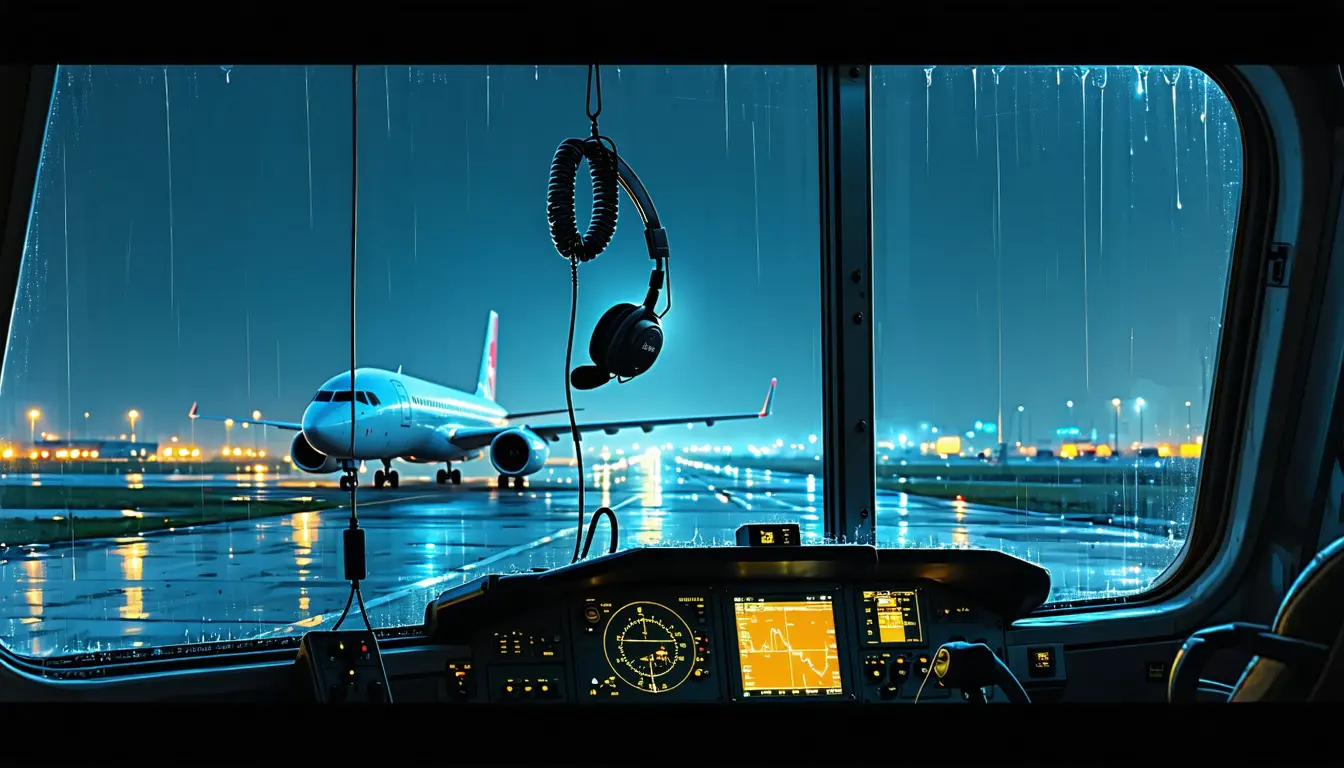
- NASA's Ames Research Center worked with Boeing to advance three kinds of field test around the airport surface: digital taxi information, safe taxiway and safe runways.
- In the digital taxi tests, pilots received taxiway guidance directly on cockpit displays or tablets instead of verbally from air traffic controllers.
- The aircraft then followed those digital routes autonomously while researchers monitored a suite of sensors built to identify vehicles or other aircraft impeding the taxi path and the runway.
- NASA reports that the system reduced workload for both pilots and air traffic controllers, and reduced the risk of verbal errors.
- In the runway testing, the same sensors flagged a vehicle on the runway while a Boeing aircraft was preparing to land, giving the pilots additional awareness.
Compiled by The ScientistSomething wrong?How this is made
Why it matters
- constraint The effect size and run count are unpublished, so an airline weighing the cockpit equipment cannot size the saving. The workload reduction is the whole economic case for making the change.
- decision Whether crews leave a surface-detection alert armed turns on how often it fires with nothing there. That rate is still the open question after one correct detection.
- capability Taking the sensors and the digital routes into a simulated air traffic control environment is the first test in which the automation has to share a controller with other traffic.
Removing speech from a taxi clearance removes one failure mode by construction: there is no readback to mishear. The new one is that the route loaded in the aircraft has to be the route the controller intended, and on a surface where aircraft, ground crews and service vehicles share crowded taxiways [13], the data link shows only the traffic someone entered into it. The sensor suite covers that case [3].
NASA did not say how many taxi runs were flown, at which airports, or how pilot and controller workload was measured [10]. That determines how far the workload result generalizes: the workload sits on the crowded taxiway [13], and a reduction shown over a handful of runs at a quiet field is a feasibility finding.
The second half of the release reports a measurement study. In 2025, working with Boeing, United Airlines and international partners, NASA evaluated real-time trajectory sharing on domestic and transoceanic flights [7]. A United Airlines Boeing 737 sent frequent flight information to airline operations centers and to air traffic control, and NASA used the data to work out how often those updates should be sent and which details matter most for generating accurate arrival predictions [8]. The sample described is one aircraft from one airline [12].
That airborne work has already moved out of the lab. NASA has transferred the routing technology to the FAA, and airlines will continue to test it [9]. The pre-departure rerouting and digital exchange tools let dispatchers and controllers see the same digital picture of flights preparing to depart [14].
The surface case is argued in terms of autonomy. "Technology that can provide additional autonomy and support a future airspace with multiple aircraft operating in harmony is key to advancing the National Airspace System," said Parimal Kopardekar, director of NASA's Airspace Operations and Safety project [11].
What to watch
- Whether the simulated air traffic control integration publishes a false-alarm rate for the sensor suite alongside the detections.
- Whether NASA or Boeing name an airport, a run count and a workload instrument for the digital taxi tests.
- What the FAA's continued testing of the transferred routing technology produces, and whether surface clearances follow the same handoff.