Build2 publishers3 min readPublished
Meta's Muse puts its approval prompt on three outbound verbs
Approval is what Meta describes guarding the way out of its new agent. The way in is a one-time connector grant across nine accounts, and the two published accounts of the closed test disagree on where you can get it at all.
The Engineer · Build desk
What happened
- Meta has moved Muse into a closed test reached through a waitlist plus invite codes that testers can hand out to others.
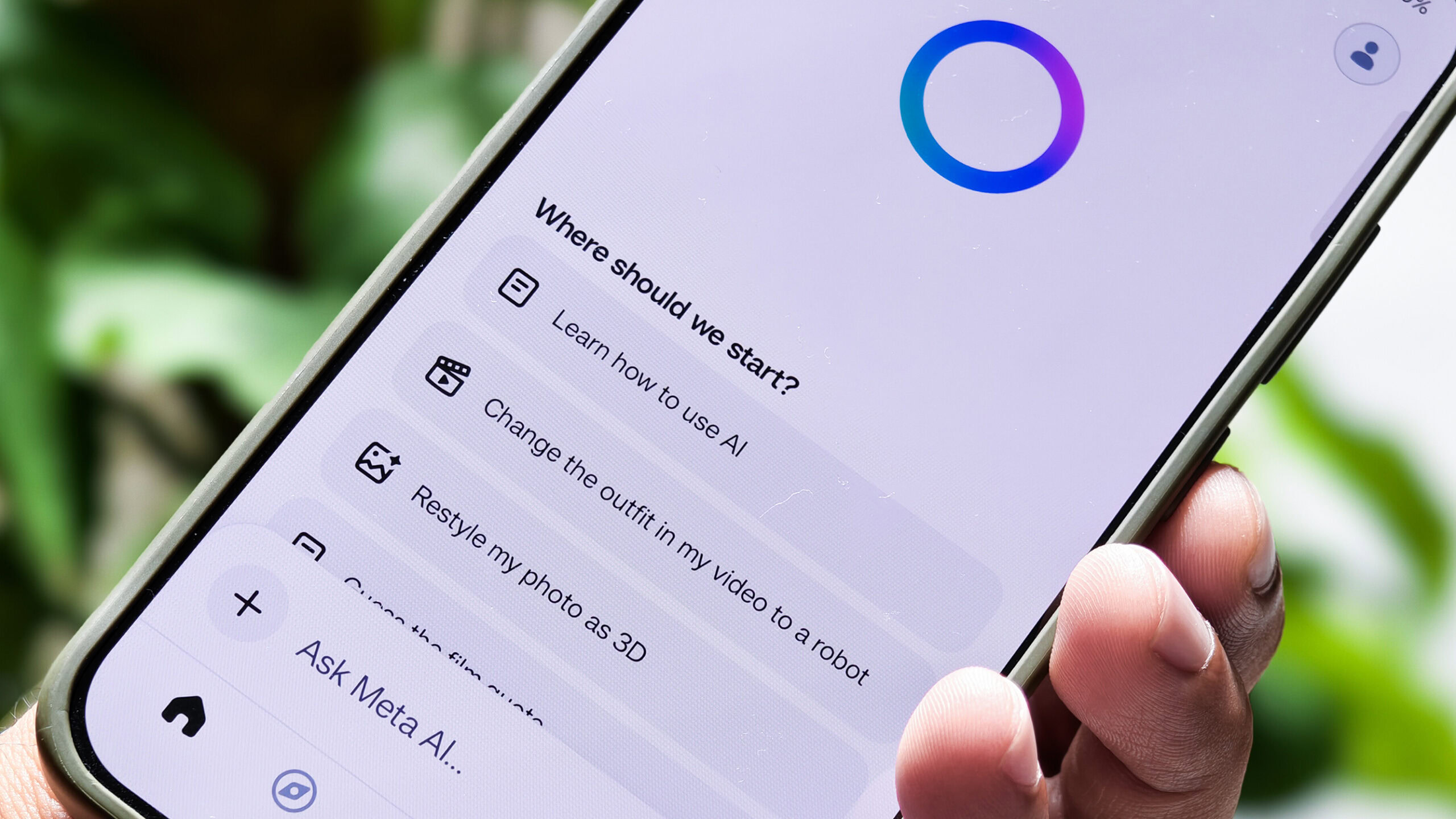
- The Meta-authored App Store listing offers whole jobs rather than answers, including negotiating a bill, selling a car, planning and booking a trip, auditing subscriptions and buying products after approval.
- TestingCatalog's screenshots show connectors for Gmail, Google Calendar, HealthX, OpenTable, Facebook, Instagram, Peloton, Plaid and Function Health.
- The App Store version history shows versions 4.0.0 through 4.3 released over four consecutive days, roughly a build a day.
Compiled by The EngineerSomething wrong?How this is made
Why it matters
- exposure The transaction screen gives the user a price, a payment method selector and an authorize button, so the person approving carries the liability for a recommendation whose supporting data is not on the screen.
- contradiction The two published accounts do not agree on the connector set, and the name in dispute is HealthX, so the health-data surface is unresolved before anyone outside the invite list can check it.
- constraint An agent that keeps working after the app closes and pings when a decision is needed makes human approval latency, not model speed, the limit on how fast a task finishes.
- precedent The listing is public while the app is not, so Meta's approval language becomes the reference other consumer agents get compared against before any of its behaviour can be verified.
Approval is the control Meta names, so read what it covers. According to Runtimewire's reading of the Meta-authored App Store listing, Muse asks before sending messages, spending money or cancelling subscriptions, keeps an activity log, and lets a user revoke individual connectors [7], three verbs, all of them outbound. Neither report describes a prompt on the read side; there, the controls are the connector grant itself, revocation, and a log you read after the fact [7]. That gate covers three outbound verbs, guarding access to nine connected accounts [24].
The size of that read scope is declared, not guessed. Apple's privacy section for the app lists health and fitness records, payment and credit information, precise location, contacts, emails or text messages, browsing history and sensitive information among the data Meta may link to a user's identity, and Apple notes the disclosure comes from Meta and has not been independently verified [16]. Everything Muse proposes is a function of that pile.
There is also a second route to spending money. TestingCatalog describes an interactive browser-window widget, carrying a Beta label, that Muse uses to open a cinema website, select seats and handle the booking [15]. That account mentions no approval step inside the widget. So the thing to measure when access opens is where the gate is implemented: in the path a tool call takes out of the process, or as an instruction the model is asked to follow. Nothing in either source settles it, and Meta's own listing warns that Muse may produce inaccurate results or take unexpected actions, and tells users to monitor its work and intervene [8].
The rollout evidence is thinner than the feature copy. Two versions of the same TestingCatalog article, under the same headline, disagree: one puts Muse in closed beta with availability very likely restricted to Saint Kitts and Nevis and the US [2], the other in closed alpha, Saint Kitts and Nevis alone [3]. Both hedge with "very likely", which is the right amount of confidence for a market list read off a waitlist page. The dated anchors around it are firmer: Runtimewire cites a September 7th TestingCatalog post on the invite-code test [18], and a September 2nd Meta release of Muse Spark 1.3, a model update aimed at coding and long-running agentic work that Meta AI chief Alexandr Wang told Axios would support personal agents working continuously toward users' goals [19].
For the approval pattern to transfer as a standard, it has to be enforcement rather than copy, and the closed test is where that gets decided. The number worth asking for once access widens is approvals per completed task: a low count would support Meta's description of the gate as a control, while a high one would turn it into a stream of taps that users learn to clear without reading.
What to watch
- Whether the activity log records rejected actions as well as approved ones, which is what would make it auditable rather than decorative.
- Whether HealthX is in the connector list when the app reaches general availability, since only one of the two published accounts has it.
- Whether Meta itself names the stage and the markets, rather than leaving both to be inferred from a waitlist page.