Product1 publisher3 min readPublished
Meta unveils new smart glasses lineup, including a $349 pair without cameras
Workplace glasses policies were written to spot a camera lens. Meta's cheapest new pair does not have one, and the company is adding its Muse agent to the smart glasses at the same time.
The Product Desk · Product desk
What happened
- Meta announced a new smart glasses lineup on Wednesday whose cheapest pair, at $349, has no cameras on it.
- The company plans to add an AI agent called Muse to its smart glasses, which it says users can put to work booking appointments, finding flights and doing other tasks.
- More than 70 people who bought, owned or were recorded with smart glasses have sued Meta, and one suit filed this year alleges intimate images were exposed to contract workers training AI.
- Amazon blocked Muse from shopping on its e-commerce site.
- Zuckerberg said Meta is releasing more privacy protections that would stop anyone, including Meta, from accessing user data during certain AI features on the glasses.
Compiled by The Product DeskSomething wrong?How this is made
Why it matters
- decision Any glasses rule written around a visible lens needs a second version, because the pair that satisfies the rule at the door is in the same lineup as the agent.
- precedent Amazon's refusal makes the counterparty veto the practical control over what an agent may do, and the owner of every system the agent would act in inherits that lever.
- constraint The no-access assurance is scoped to certain AI features, so nobody rolling these out can tell staff the whole device is covered by it.
- exposure The allegation that intimate images reached contract labellers describes the route any footage captured on your premises could travel, and Meta disputes it.
The rule most buildings already have is enforced by eye. Someone sees the lens on a visitor's frames, and the frames go in a locker. Meta's cheapest new pair passes that check at the door.
The virtual reality glasses announced the same day cost $1,299 [1]. The camera-free pair is $950 less than that, about 27 percent of the headset's price [15]. A $1,299 device goes through a budget line. At $349 the glasses arrive as a personal purchase, and I would expect most of them to enter a workplace without anyone in IT hearing about it.
Muse is the part a camera ban does not reach. An appointment that gets booked is a change inside an account, and there is nothing at the door to inspect. The Los Angeles Times account describes the $349 pair only as being without cameras, and does not say what else it picks up or which models get the agent [17]. Meta has said Muse includes privacy protections and that the agent cannot see people's passwords or payment methods [13].
Whoever owns the policy should look hard at Amazon's block. The company that owned the destination decided the agent did not get to buy there. Any owner of a calendar, an expense tool or a ticketing system has the same lever, and it sits with the counterparty, not with the wearer.
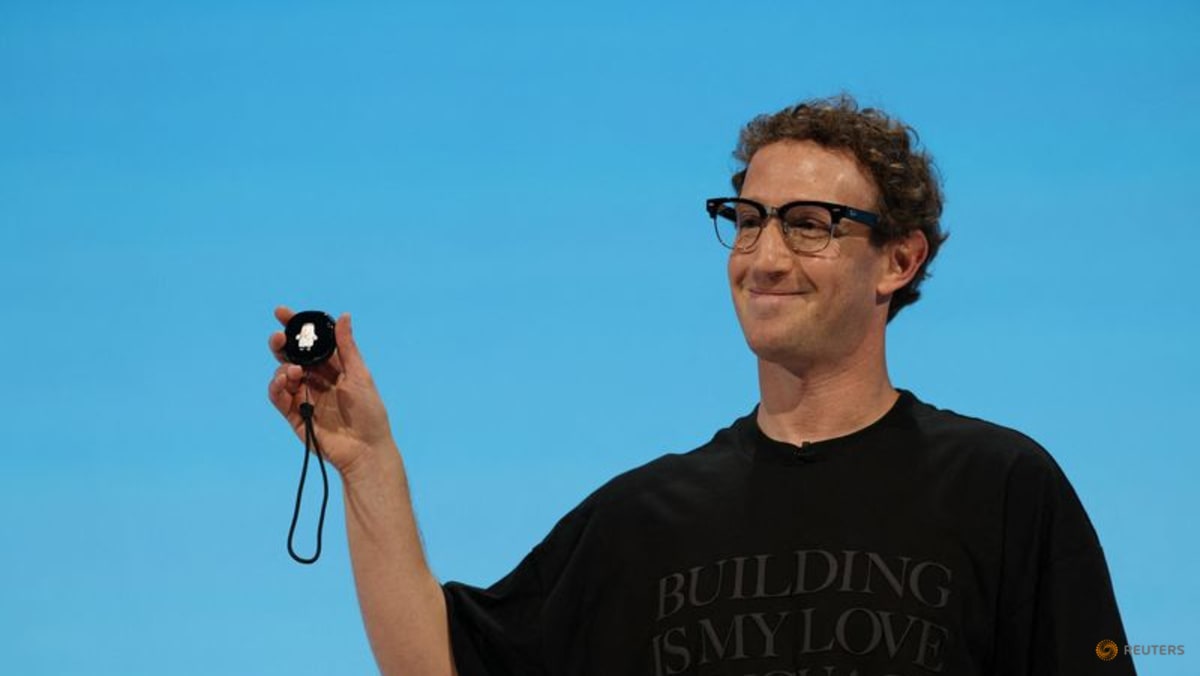
The demand side is already settled. The app people use to reach Muse topped Apple's chart for free productivity apps, ahead of OpenAI's ChatGPT, Google Gemini and Anthropic's Claude [11]. Zuckerberg said Meta delayed Muse's release "for several months to focus on safety and security" [14], and said the path to a safe future is to "distribute this technology widely and create the right checks and balances, rather than concentrating it in the hands of just a few" [6]. A keychain gadget carrying the agent is still in development, with a December ship planned [4].
What buyers have already done with camera glasses is on the record. Some modified them to record people secretly, and the product got called "pervert glasses" [7]. Meta denied the allegations in the lawsuit and said it has taken "steps to filter this data to help remove identifying information and to protect people's privacy" [9].
The policy turns on whether the rule names a part or a capability. A rule banning cameras in the room is checkable in a second, and it now misses a product Meta sells. A rule banning capture and banning agent actions on company systems covers the device and needs logs from systems most teams have not instrumented. It also turns on who the counterparty is when the agent acts, because that party holds the veto. Amazon used it [12].
What to watch
- Whether the keychain gadget carrying the Muse agent actually ships in December as Meta plans.
- Whether other site and system owners follow Amazon in blocking Muse from transacting on their property.
- Whether Meta spells out which AI features the no-access privacy protection covers.