Invest1 distinct publisher3 min readPublished
The comptroller's office once scored the 2027-2028 cost of the exemption at $180 million and now scores it above $3 billion. The chair of Senate Finance says she may file to repeal it when the session opens in January.
The Investor · Invest desk

Compiled by The InvestorSomething wrong?How this is made
The forecast history is the most interesting document in this file. In 2023 the comptroller's office put the 2027-2028 cost of the data-center exemption at about $180 million, and by 2025 the same office scored the same biennium above $3 billion [8], a miss of roughly seventeen times on a three-year view [1]. The $3.2 billion two-year figure now in circulation [1] averages $1.6 billion a year, about $300 million above the at-least-$1.3 billion Texas is forgoing this year [6], and the comptroller's own note says even that is probably light [16].
Then look at what the office expects next. It forecasts nearly $1.8 billion by fiscal 2030, some 38% above the current year [5][2]. Set that against the run to here: between $5 million and $30 million a year through 2022, past $150 million in 2023, $1.3 billion now [4], which is roughly 43 times the top of that old range in four years [3]. The official position, in other words, is that a line which multiplied 43-fold in four years grows 38% over the next four. Sen. Joan Huffman is drafting against whichever of those two numbers reaches the fiscal note [2], and the session opens in January [3].
Spread this year's cost across the 300-plus operating facilities and you get about $4.3 million each [6][4], a crude cut, since the exemption attaches to equipment purchases rather than to the installed base, and the crudeness is worth naming: nobody in this argument has produced the per-project figure that would tell a developer what repeal does to a pro forma. Dan Diorio of the Data Center Coalition argued signal rather than dollars, warning that repeal would send a hostile message and give companies pause about investing in Texas for the long term [9]. Critics quoted in the same reporting say the industry comes to Texas for cheap land and electricity as much as for the break [10].
Texas leads the country with at least 142 data centers under construction, one ahead of Virginia's 141 on data firm Aterio's count [7][7]. A lead that thin means a handful of deferred projects changes the ranking, and that is the industry's real leverage here. It also means the alternative venue has to hold: 37 states offer these exemptions, and Virginia, Illinois, Michigan, Arizona and Georgia are all debating whether to curtail theirs [11], so a campus that leaves Austin over a sales tax may land somewhere that repeals its own next spring.
This is probably wrong, but I would price repeal in some trimmed form as more likely than not, for procedural rather than fiscal reasons: Texas shut down the Chapter 313 abatement program last year at a height of more than a billion a year [14], and this exemption has already cleared that mark by roughly 30% [5]. The local politics run the same direction, with grassroots campaigns in San Marcos, Amarillo, College Station, Waco and Harlingen [13] and a Quinnipiac poll finding 65% of Americans oppose a data center in their own community [12]. The counter-thesis is respectable: a $1.3 billion break spread across sites that each cost billions is a rounding error in the build math, and repeal changes announcement language and little else. What would settle it is a repeal that passes followed by a construction count that keeps climbing, which would show the exemption was never in the arithmetic, against a scope limit that grandfathers committed projects, which would show the legislature thinks it is.
Ranked by verification strength, evidence, and original report placement.
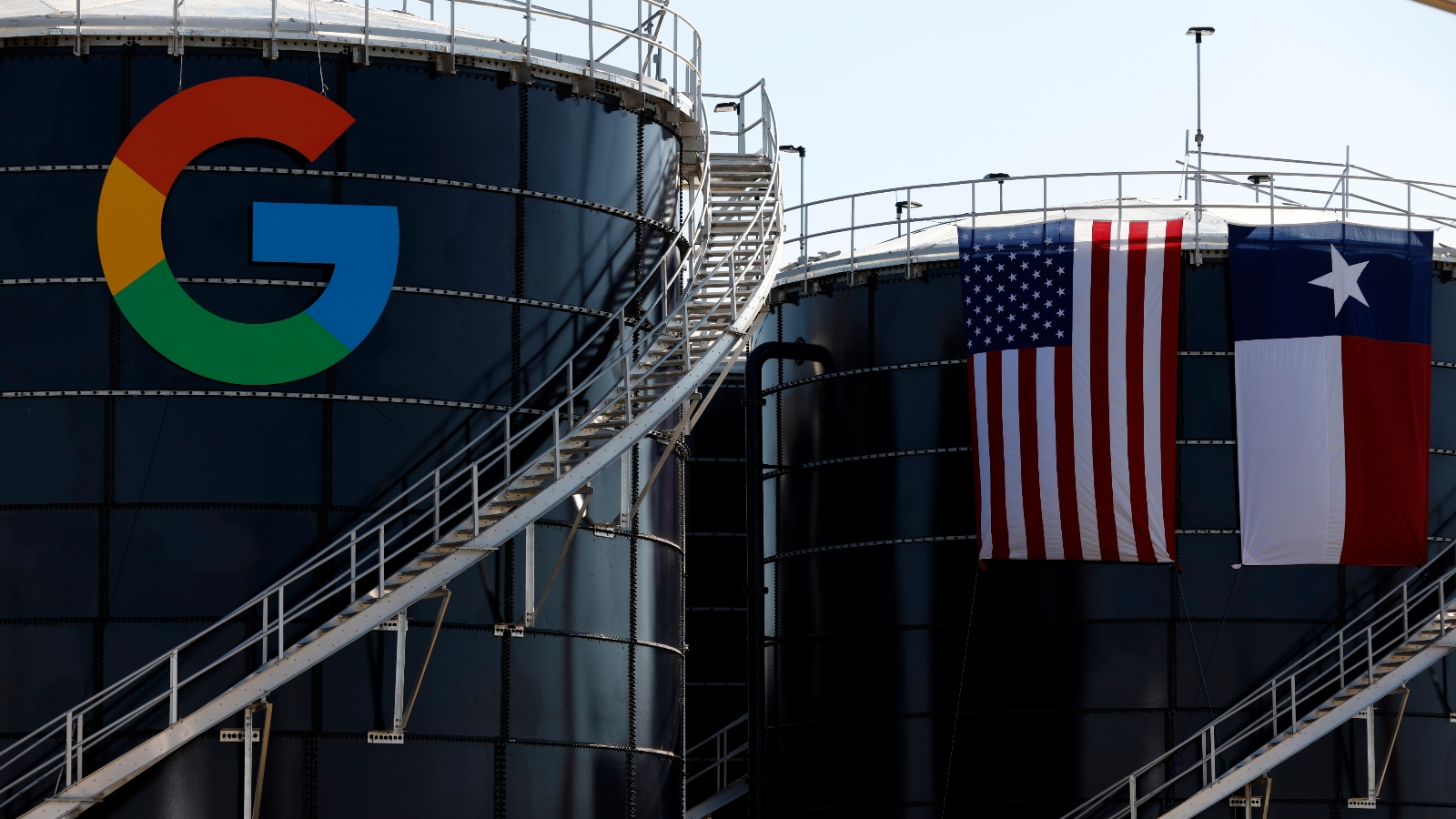
Texas will lose out on $3.2 billion in sales tax revenue over the next two years thanks to an exemption for the state's data center industry, according to the comptroller's office.
Texas already has more than 300 operating data centers, with more than 100 additional projects planned or under development.
State Sen. Joan Huffman, chair of the Senate Committee on Finance, called the new numbers 'extremely concerning' and 'unsustainable' and said 'I plan to look at filing legislation to either repeal the exemption or take a very close look at it and see.'
Texas lawmakers will meet in January for the next legislative session.
From 2014 to 2022 the exemption amounted to between $5 million and $30 million in lost state revenue per year; by 2023 that rose to more than $150 million; this year Texas is forgoing at least $1.3 billion.
By fiscal year 2030 the comptroller's office forecasts the annual value of the tax break will be nearly $1.8 billion, a $500 million increase from the current fiscal year, according to the 2025 report.
Distinct publishers with included, body-backed reporting in this cluster.
1 article · August 27, 2026
Follow any of these and your For You feed starts watching them — no settings page required.
leadership
EPA's data center permit rewrite moves siting risk from the hearing room to the courthouse2 distinct publishers
security
Texas turns the interconnection queue into a gate: 1,800 projects and 474 GW on hold1 distinct publisher
invest
In Cass County, Nebraska, the AI buildout's scarce input is not land but permission1 distinct publisher
product
Lammermuir arithmetic: £2bn of data centre against 10,000 signatures, before an application exists1 distinct publisher
Evidence-backed comparisons of source perspectives and observed adoption signals. Read the methodology
Which Builder, Operator, and Investor concerns the observed source mix emphasized—not a truth score.
Evidence, demonstrated adoption, hype gap, incentives, and confidence are assessed independently, each on its own current evidence. How these are measured.
Official fiscal data, weakened by single-outlet sourcing and withheld detail
The central numbers come from the state comptroller's own projections and 2025 report, supplemented by an on-record Senate Finance chair, a named trade-group executive, a named critic, a third-party construction count from Aterio and a Quinnipiac poll. That is strong documentary grounding for the fiscal trajectory. It is capped by there being one publisher in the cluster, no independent replication of the comptroller scoring, and the comptroller's refusal to release per-facility exemption data, which leaves the distribution of the break unverifiable.
Exemption and buildout both heavily in use
Adoption of the subsidised buildout is concrete and large: 121 facilities are actively claiming the exemption per the comptroller's database, more than 300 data centers operate in Texas with 100-plus more planned, and 142 are under construction, the most of any state. The cost curve itself - $150 million in 2023 to at least $1.3 billion this year - is a direct usage signal. The score is short of maximal only because per-facility uptake is undisclosed and the policy response (repeal or narrowing) has no adopted legislation yet.
Numbers hold; repeal odds and superlatives run ahead of proof
The headline arithmetic - roughly seventeen times the earlier forecast - is faithful to the comptroller figures, so the quantitative core is not inflated. Mild overstatement sits in two places: the framing of legislative action, where the chair only says she plans to look at filing a bill and no bill exists yet, and the unbacked characterizations that the $3.2 billion figure is a 'vast underestimate' and the program will soon be the most expensive of its kind nationally. Countervailing understatement: the industry's benefit case is asserted rather than tested, so the net gap is slightly positive.
Both advocacy sides visible; state agency withholding detail
The story is populated by parties with declared stakes: the Data Center Coalition trade group defends the exemption on behalf of major tech companies, a former analyst for a self-described left-leaning policy group argues taxes barely drive siting, the Senate Finance chair has budget authority at stake, and the comptroller's office both scores the program and refuses to release facility-level data citing competitive confidentiality. The reporting was also grant-supported. Incentives are disclosed rather than hidden, which moderates the score, but they shape every quoted assessment of whether repeal would move investment.
Solid official numbers, thin publisher diversity
Confidence is supported by primary-agency figures, named on-record sources and third-party construction data, and by internal consistency across the cost series. It is held down by the cluster containing a single publisher with no corroborating outlet, by forward-looking elements (fiscal 2030 forecast, legislative outcome) that are inherently uncertain, and by the withheld per-facility data that prevents auditing the aggregate.