Product1 publisher3 min readPublished Updated
OnePlus leaves two regions: read the support clock, not the spec sheet
The exit was confirmed in July. What is left is a current phone with a promised six-year patch window, an update path that runs through Oppo's ColorOS, and stock that now lives in the channel.
The Product Desk · Product desk
Drafted by a language model from the sources cited here and checked against its claim ledger before publication. How we use AISend a correction
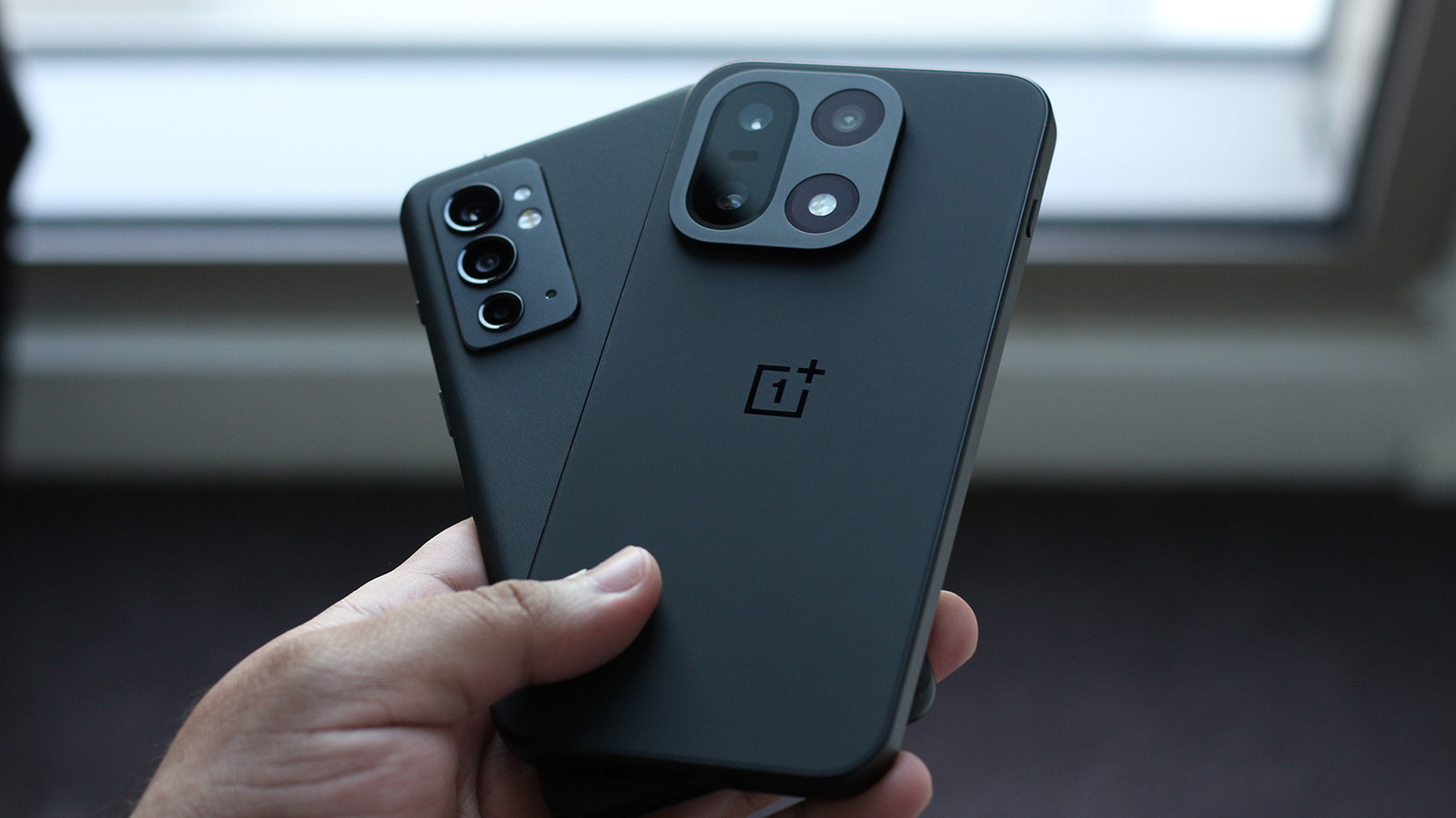
What happened
- OnePlus confirmed its exit from North America and Europe in July, after months of rumors.
- Most of OnePlus' catalog is currently out of stock on its own website, but its phones and audio accessories can still be bought through other retailers such as Amazon.
- OnePlus has promised that software and after-sales support for existing OnePlus devices will continue.
- Both the OnePlus 15 and OnePlus 15R are set to receive four major Android OS updates and six years of security patches.
- After-sales service can be accessed via the OnePlus Support website, and the company claims it will honor existing warranty commitments.
Compiled by The Product DeskSomething wrong?How this is made
Why it matters
OnePlus confirmed its exit from North America and Europe in July, according to Engadget [1]. That leaves a product line that is still technically current, still sold, and no longer backed by a vendor with a commercial reason to be in the room, which is the exact situation anyone specifying or reselling Android hardware should know how to price.
Start with stock, because that is the part that changes fastest. Most of the OnePlus catalog is out of stock on the company's own website, though its phones and audio accessories are still available through other retailers such as Amazon [2]. In practice the channel is now the inventory. There is no restock signal behind it and no reason to assume the shelf you bought from last quarter refills.
The support commitments are more specific than the usual post-withdrawal vagueness. OnePlus has said software and after-sales support for existing devices will continue [3], and both the OnePlus 15 and OnePlus 15R are slated for four major Android OS updates and six years of security patches [4]. After-sales service runs through the OnePlus Support website, and the company says it will honor existing warranty commitments [5]. Take the update math at face value and there is roughly a two-year tail at the end of that window where a device is still being patched but is frozen on an Android version no longer being advanced [1].
The condition attached is the interesting one. Engadget reports that users who want newer versions of Android are expected to move to ColorOS, the interface Oppo ships [6], and that users have expressed frustration with the decision [7]. Engadget's own read is that the practical delta is small, because OxygenOS and ColorOS have shared a codebase since 2021 [8], with the caveat that ColorOS carries more bloatware than OxygenOS did [9]. So the six-year patch promise is real but it is a promise about a different skin than the one on the box. Anyone who standardized a fleet image or a support script on OxygenOS behavior should treat that as a migration, not an update.
Engadget's verdict for most buyers is no [10], which is the correct default. The counter-case, which its writer made by buying a OnePlus 15 at the start of 2026 [11], is that the hardware is priced against flagships it outruns: $900, a Snapdragon 8 Elite Gen 5, 120W charging and an OLED panel [12], with cameras as the review's main complaint [13]. That is a defensible trade for a single buyer who accepts the software switch. It is a harder trade for a two-year refresh cycle with warranty exposure attached, and harder still for a reseller who has to answer service questions after the regional entity is gone.
One asymmetry worth noting: the accessories are less exposed. OnePlus Buds and the OnePlus Watch pair with other Android phones without giving up key features [14], so accessory stock does not strand the way a locked ecosystem would.
Watch three things. Whether third-party stock thins or gets discounted, since price is the honest signal about how much is left. Whether warranty claims actually route cleanly through the support site now that regional operations have ceased. And whether the OxygenOS-specific touches survive the move to ColorOS, which Engadget flags as the detail most likely to quietly disappear [15].