Invest1 publisher3 min readPublished
Cattle groups in Texas, Kansas and Oklahoma blame ICE operations for thousands of delayed shipments
Three livestock associations say ICE operations kept workers home and delayed thousands of cattle shipments, costing millions of dollars in lost revenue. Feed yards holding returned cattle pay first, and beef prices rise only if the absences last.
The Investor · Invest desk
What happened
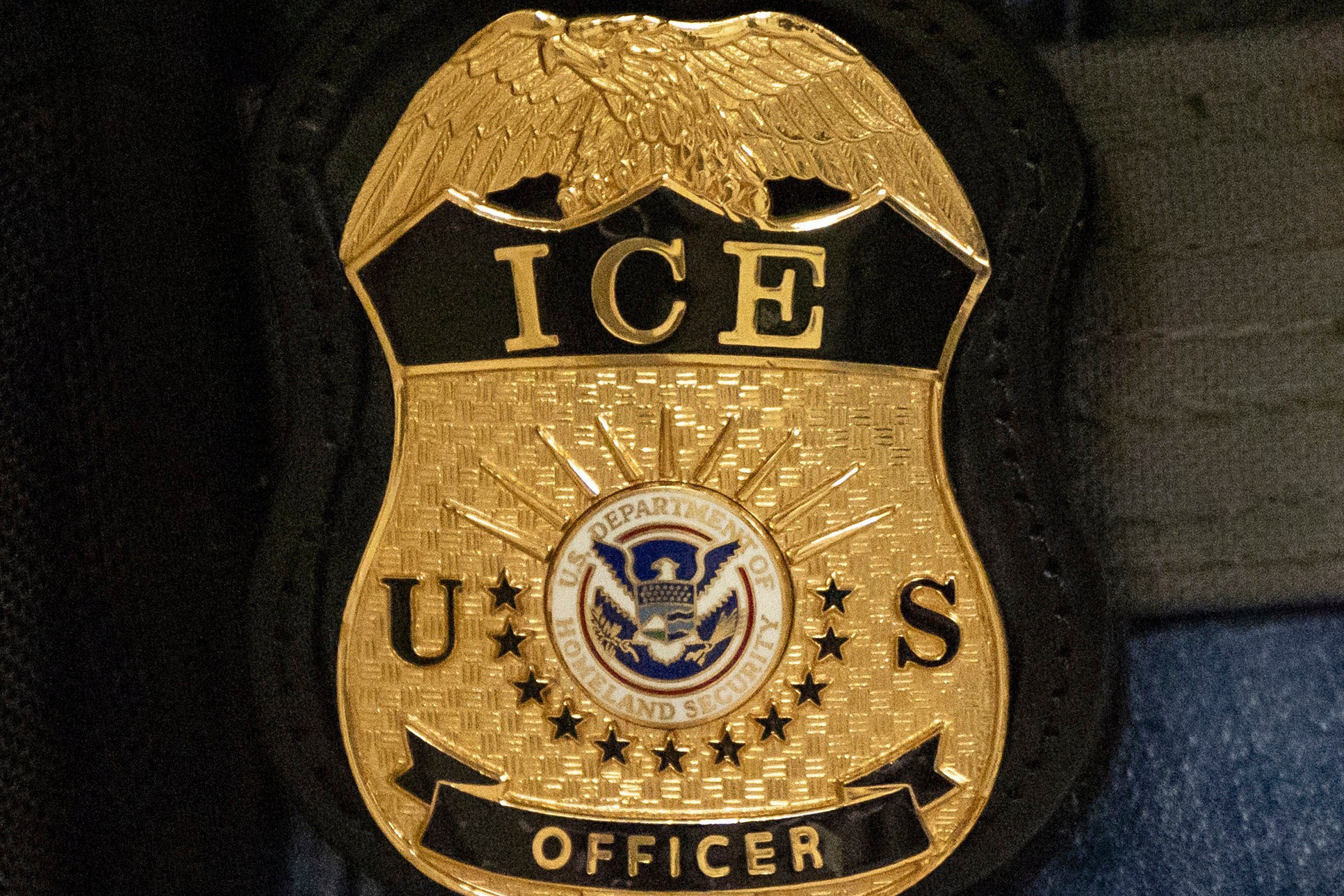
- The Texas Cattle Feeders Association, Oklahoma Cattlemen's Association and Kansas Livestock Association said ICE operations delayed thousands of cattle shipments and cost millions in revenue.
- Kansas Livestock Association members reported rising absences at southwest Kansas businesses after residents noticed more federal immigration officers this week.
- Some packing plants in Dodge City, Liberal and Garden City, which usually process thousands of cattle a day, shut temporarily and sent cattle back to feedlots.
- The Department of Homeland Security confirmed its officers are in Kansas but said they are not conducting worksite raids.
- Republican Senators Roger Marshall and Jerry Moran said they were concerned and urged federal officials to coordinate with local authorities.
Compiled by The InvestorSomething wrong?How this is made
Why it matters
- cost Feed yards take the first loss, paying for feed and carrying animal-health risk on cattle the plants sent back until processing resumes.
- constraint Mexican cattle let in through the reopened border still have to pass through packing plants, so enforcement in packing towns works against the administration's own effort to lower beef prices.
- exposure If the July pattern holds in Kansas, workers with no criminal charges are within reach of an operation Moran was told targets only people charged with crimes.
The damage estimate covers a short window. Residents in southwest Kansas first noticed federal officers on Tuesday [8], and the three associations went public on Friday [1], three days later [1]. According to the associations, the loss comes to "millions of dollars" in revenue across thousands of delayed cattle [1].
It is easier to say who pays first. Scarlett Mabinger, vice president of communications for the Kansas Livestock Association, described what happens to cattle leaving idled plants. "So then they're having to be returned back to the feed yard to wait, which, of course, causes an animal health issue, causes financial issues," she said [7]. The staffing gaps go beyond the production line. Amy Soberanes, a community organizer in Dodge City, said cleaning crews stopped showing up at some locations, forcing plants to close [18]. The association has had no reports of arrests at worksites [8]. The plants are short of people who are staying away from work [3].
If the absences fade within days, the delayed cattle become a backlog the plants work down. If enforcement stays heavy for weeks, Mabinger's own condition for higher prices is met. "If it continues for a long enough period of time, then it could therefore lead to increased prices, because we are not processing the amount of beef that consumers are currently demanding," she said [14]. Politics could also move first. The association wants more targeted enforcement and more transparency [12], and Senator Roger Marshall, who is in a tight race, represents a state whose affected counties gave Republicans more than 65% of the vote [10][17].
I think beef prices are exposed to this and dairy prices have not yet been shown to be. Beef prices hit records over the past year, largely because the national herd is the smallest in 75 years [13], so a cut in processing lands on a market already short of supply. Dairy appears in the record only as one of the disrupted operations, listed with feedlots, feed and grain companies and transportation hubs [2]. The case against my view is duration. Three days of absences in a few Kansas towns is a small input to a national price. If the Dodge City, Liberal and Garden City plants are back at their usual thousands of head a day within a couple of weeks [5], the loss stays with feeders and packers.
The administration is pushing on the other end of the chain. It has let some beef in without high tariffs and reopened the border to Mexican cattle after a closure over the New World screwworm [15]. DHS Secretary Markwayne Mullin said ICE has been "targeting heinous criminals" but did not give a breakdown of arrests [9]. Senator Jerry Moran passed on what he was told. "Secretary Mullin assured me these warrants are only for the purpose of arresting individuals who have been charged with criminal activities," Moran said [11]. Recent data cited in the report point the other way. In July, more than half of those arrested had not been convicted and faced no criminal charges, while fewer than a quarter had a conviction [16]. More than 50% against less than 25% means the uncharged outnumbered the convicted by more than two to one [2].
What to watch
- Whether DHS publishes a count of people arrested in the Kansas operation and how many of them had criminal charges.
- Whether the three associations put a specific dollar figure on the 'millions' in lost revenue or name the businesses affected.
- Whether dairy processors in the three states report lower volumes, the first evidence that could tie the disruption to dairy prices.